Blog

  • Classic Pea Salad With Green Onion

    Classic Pea Salad With Green Onion

    Classic Pea Salad With Green Onion: A Tropical Delight

    Introduction to Classic Pea Salad With Green Onion

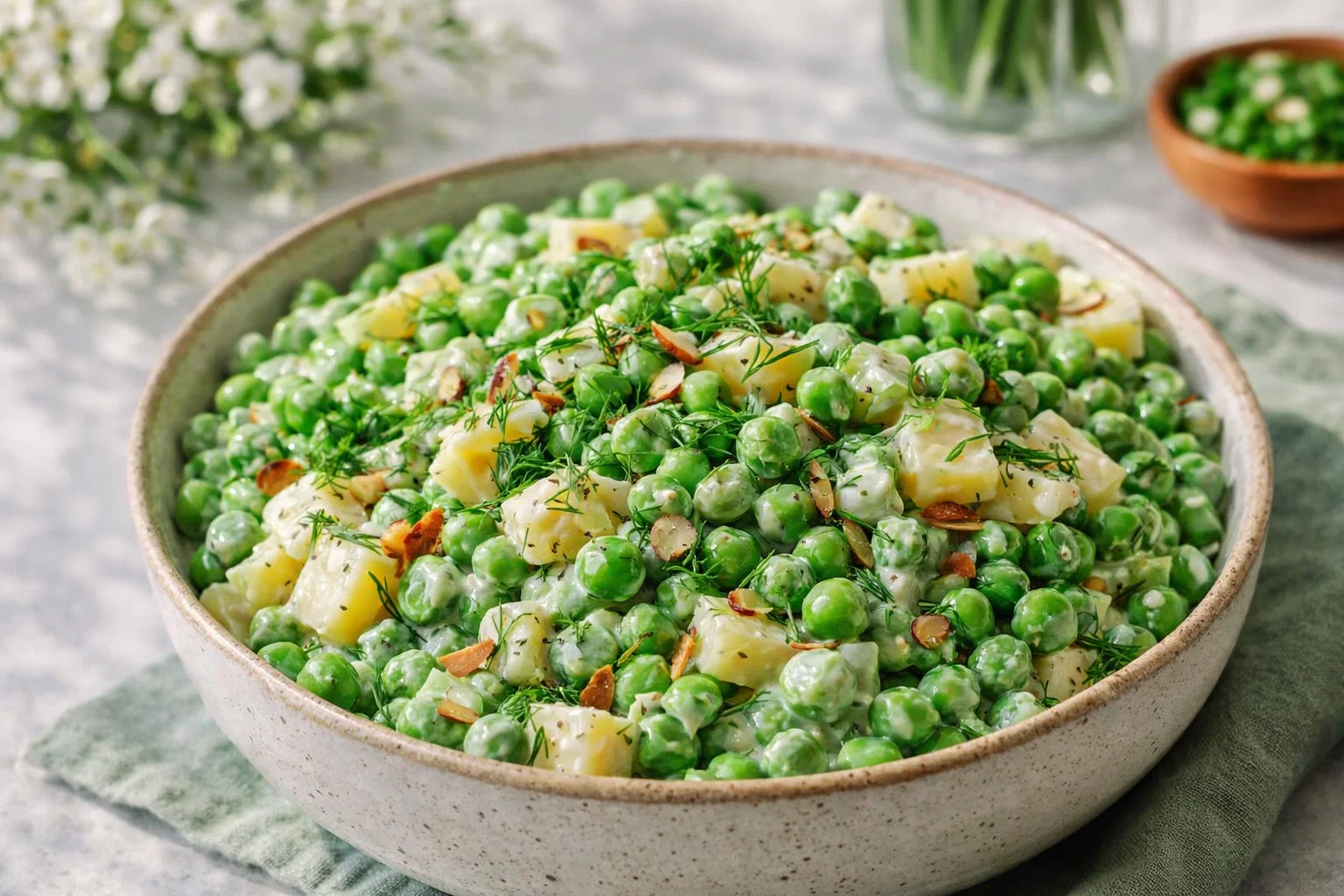
    If you’re on the hunt for a refreshing dish to brighten your spring meals, look no further than the Classic Pea Salad with Green Onion. This delightful recipe combines the gentle sweetness of peas with the crispness of green onions, creating a vibrant salad that’s not only visually appealing but also packed with flavor and nutrition.

    Perfect for busy parents, students, health-conscious individuals, and everyone in between, this salad is a breeze to prepare, taking only a few simple steps. It caters to various dietary preferences, including vegan and gluten-free options, which makes it a fantastic addition to any meal or gathering.

    The versatility of this pea salad is one of its greatest assets. Serve it alongside grilled dishes for a delicious side at summertime barbecues or present it as a light lunch for your busy workweek. With a few extra ingredients, it can also transform into a heartier main dish. Enjoying wholesome ingredients has never been easier or more satisfying, making this Classic Pea Salad With Green Onion a must-try for anyone looking to elevate their spring meals.

    Benefits and Advantages of Classic Pea Salad With Green Onion

    The Classic Pea Salad With Green Onion shines for several reasons. Firstly, its preparation is incredibly straightforward, making it a practical choice for busy cooks. In just a matter of minutes, you can whip up a delicious, hearty side dish that appeals to virtually everyone.

    Additionally, this salad is brimming with health benefits. Peas are high in fiber, vitamins, and other essential nutrients, making them an excellent addition to a balanced diet. They are known to support heart health and aid digestion—ideal for those looking to maintain a healthy lifestyle. The green onions add a delightful crunch, along with essential vitamins like vitamin K, which is crucial for bone health.

    One of the standout features of this Classic Pea Salad is its adaptability. With minimal effort, you can customize the ingredients to fit any dietary restrictions or preferences. Whether you are feeding picky eaters or catering to guests with food sensitivities, this salad can be modified to suit any palate. Furthermore, it’s a great option for potlucks and family gatherings, as it stands out not only in taste but also in its colorful presentation.

    Ultimately, the Classic Pea Salad With Green Onion offers a wonderful combination of flavor, nutrition, and versatility, making it an ideal choice for your spring meals and beyond.

    Ingredients Overview

    Essential Ingredients for Classic Pea Salad With Green Onion

    To create this delightful Classic Pea Salad With Green Onion, you will need the following ingredients:

    • 2 cups fresh or frozen peas (thawed if frozen) – Peas serve as the base of the salad, providing sweetness and a dose of protein.
    • 1/2 cup chopped green onions – These add a slight crunch and a mild onion flavor, enhancing the overall taste.
    • 1/2 cup mayonnaise – For a creamy texture; use vegan mayonnaise for a plant-based version.
    • 1 tablespoon lemon juice – Adds brightness and acidity to balance the flavors in the salad.
    • Salt and pepper to taste – For seasoning; essential in bringing out the flavors of the ingredients.
    • Optional additions:
    • 1/2 cup diced celery – For an extra crunch; this ingredient can bring additional fiber.
    • 1/4 cup chopped fresh dill or parsley – For added freshness and flavor. You can choose herbs based on your preference, making it versatile for spring meals.

    Vegan, Gluten-Free, and Low-Calorie Options:
    Replace regular mayonnaise with a vegan version to cater to plant-based diets. Additionally, this recipe is naturally gluten-free, making it suitable for those avoiding gluten. For a lower-calorie option, consider subbing Greek yogurt for mayonnaise.

    Dietary Substitutions to Customize Your Classic Pea Salad With Green Onion

    Customizing this Classic Pea Salad With Green Onion is simple, ensuring that everyone at your table can enjoy it. Here are some substitutions to consider:

    • Mayo Alternatives:
    • For a lighter version, use low-fat mayo or Greek yogurt.
    • For a nut-free option, use sunflower seed butter mixed with a splash of vinegar.

    • Protein Boost:

    • Add diced cooked chicken or tofu for additional protein, perfect for a filling lunch or dinner.
    • Chickpeas can serve as a satisfying vegan source of protein.

    • Herb Variations:

    • Swap green onions for chives or shallots for a different flavor profile.
    • Fresh mint can also be added for a refreshing twist.

    • Vegetable Variations:

    • Incorporate other colorful vegetables, such as bell peppers, carrots, or cucumber, to enhance both texture and nutrition.
    • Use spinach or arugula as a base for an even heartier salad.

    The beauty of this Classic Pea Salad is its flexibility—it allows for creativity while accommodating a wide range of dietary preferences, ensuring that everyone can enjoy it during their spring meals.

    How to Prepare the Perfect Classic Pea Salad With Green Onion: Step-by-Step Guide

    Now that you’ve gathered your ingredients, let’s dive into the step-by-step instructions on how to prepare the Classic Pea Salad With Green Onion. This recipe is straightforward, ensuring that you’ll have a delightful dish ready in no time!

    1. Prepare the Base: If using frozen peas, ensure they are fully thawed. Place the peas in a mixing bowl, and if you prefer a chilled salad, you may briefly rinse them with cold water.

    2. Chop the Green Onions: While the peas are resting in the bowl, take your green onions and chop them into small pieces, using both the white and green parts for flavor.

    3. Combine Ingredients: In the mixing bowl with the peas, add the chopped green onions. If you decided to use celery for extra crunch, now’s the time to include that too.

    4. Make the Dressing: In a separate, small bowl, mix the mayonnaise and lemon juice until smooth. This dressing will provide a creamy base for the salad. Adjust seasoning with salt and pepper as per your taste preferences.

    5. Mix It All Together: Pour the dressing over the peas and green onions. Gently fold the mixture together, taking care not to mash the peas, until everything is evenly coated.

    6. Incorporate Optional Ingredients: If you want to take your salad to the next level, add in any optional extras you’ve chosen, such as fresh herbs or chicken/tofu.

    7. Chill Before Serving: Cover the bowl with plastic wrap and refrigerate the salad for at least 30 minutes. This allows the flavors to meld beautifully—great for spring meals outdoors!

    8. Serve and Enjoy: When ready to serve, give the salad a final gentle stir and check the seasoning. Serve it cold as a side dish for any grilled meats, sandwiches, or enjoy it on its own as a refreshing lunch.

    This Classic Pea Salad with Green Onion is not only delicious but also provides plenty of room for personalization. Feel free to adapt any step to cater to your personal dietary needs or preferences!

    Mastering Classic Pea Salad With Green Onion: Advanced Tips and Variations

    To elevate your Classic Pea Salad with Green Onion and make it truly your own, consider these tips and variations:

    • Use Fresh Herbs: If you grow herbs in your garden or buy fresh at the market, indulge in their flavor by adding generous amounts. Dill and parsley work especially well, but don’t hesitate to experiment with basil or cilantro for an unexpected twist.

    • Texture Play: For a delightful crunch, add chopped nuts, such as almonds or walnuts, or toasted pumpkin seeds. Nuts add healthy fats and an additional layer of flavor that complements the sweetness of the peas.

    • Cheese Lovers: If you enjoy cheese, consider adding crumbled feta or goat cheese to the salad for a creamy and tangy kick. This extra ingredient can turn your salad into a lovely main dish.

    • Spice it Up: Feeling adventurous? Add a dash of hot sauce or sprinkle in some chili flakes for a bit of heat. This can brighten the flavors and provide a unique twist to the typical salad.

    • Other Dressings: While mayonnaise is traditional, don’t be afraid to experiment with different dressings. A vinaigrette made from olive oil, vinegar, and mustard provides a lighter dressing that complements spring meals beautifully.

    These tips not only enhance flavor but also allow you to master this Classic Pea Salad with Green Onion, making it a versatile choice for any gathering or weeknight meal.

    How to Store Classic Pea Salad With Green Onion: Best Practices

    Proper storage of your Classic Pea Salad With Green Onion will maximize freshness and extend its shelf life. Here’s how to keep it safe and delicious:

    • Refrigeration: Store the salad in an airtight container in the refrigerator if you plan to enjoy it within 3-4 days. This helps maintain the crispness of the vegetables and keeps the flavors vibrant.

    • Freezing: While freezing is not typically recommended for salads with mayonnaise, if you want to save portions for later, consider freezing the base (peas and any crunchy veggies) without dressing. Just thaw and add your dressing before enjoying.

    • Reheating: If you decide to prepare a portion of the Classic Pea Salad as part of a meal prep, remember not to mix the dressing until you’re ready to serve. This ensures the vegetables remain fresh and crunchy.

    Remember, fresh ingredients yield the best results! These practices will keep your Classic Pea Salad vibrant and enjoyable, making it a staple in your spring meals.

    Nutritional Value of Classic Pea Salad With Green Onion

    When considering the health aspect of your meals, understanding the nutritional value of the Classic Pea Salad With Green Onion is key. Here’s a breakdown of the primary nutrients you can expect from a standard serving (approximately 1 cup):

    • Calories: ~150-200 (depends on the amount of mayonnaise)
    • Protein: ~5g (from peas mainly)
    • Total Fat: ~9g
    • Saturated Fat: ~1g
    • Carbohydrates: ~15g
    • Dietary Fiber: ~5g
    • Sugars: ~4g
    • Vitamin A: 8% DV
    • Vitamin C: 30% DV
    • Vitamin K: 25% DV
    • Iron: 6% DV

    This Classic Pea Salad packs a nutritious punch with its fiber-rich peas and fresh ingredients. The salad is low in calories, offers healthy fats from the dressing, and provides crucial vitamins and minerals. Customize it further with added protein or healthy fats to fit your dietary needs.

    For those keeping track of specific dietary numbers or looking to improve their health, this Classic Pea Salad is an excellent option not only for spring meals but any meals throughout the year.

    FAQs: Frequently Asked Questions About Classic Pea Salad With Green Onion

    Q: Can I use canned peas for this salad?
    A: Yes! However, opt for low-sodium canned peas. Drain and rinse them before adding to the salad to reduce their sodium content and improve the flavor significantly.

    Q: How can I make this salad more filling?
    A: To transform this salad into a heartier dish, add diced chicken, chickpeas, or quinoa. These additions provide extra protein and make it a complete meal.

    Q: Is this salad suitable for meal prep?
    A: Absolutely! The Classic Pea Salad holds up well in the fridge for several days. Just ensure it’s stored in an airtight container to keep it fresh.

    Q: Can I make this salad in advance?
    A: Yes, you can prepare the salad a day ahead, but it’s recommended to add the dressing shortly before serving to keep the vegetables crunchy.

    Q: What other vegetables can I add?
    A: You can experiment with adding bell peppers, diced cucumbers, or shredded carrots for additional color and nutrients!

    Q: Can I use a different dressing?
    A: Definitely! If you want a lighter option, create a simple vinaigrette using olive oil and lemon juice, or mix in yogurt instead of mayonnaise for a tangy taste.

    This Classic Pea Salad with Green Onion stands as a wonderful representation of versatility and flavor. With its bright colors and distinctive tastes, it’s sure to be a crowd-pleaser, making it an essential recipe for your spring meals and gatherings to remember!
  • Summer Zucchini, Pea  Goat Cheese Orzo Salad

    Summer Zucchini, Pea Goat Cheese Orzo Salad

    Summer Zucchini, Pea & Goat Cheese Orzo Salad: A Tropical Delight

    Introduction to Summer Zucchini, Pea & Goat Cheese Orzo Salad

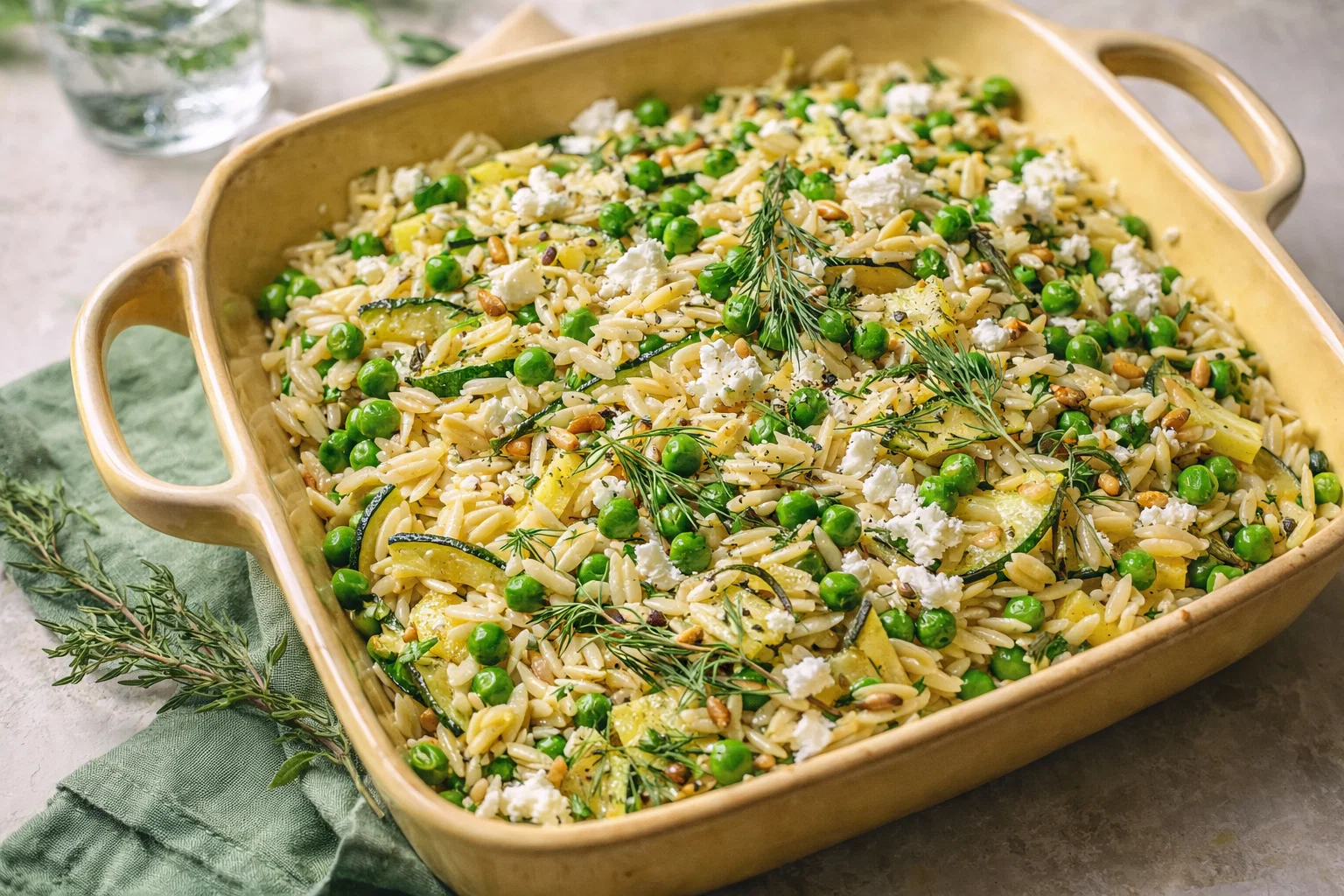
    Are you looking for a refreshing and delightful pasta salad that captures the essence of summer? Look no further than the Summer Zucchini, Pea & Goat Cheese Orzo Salad. This vibrant dish not only bursts with flavors but also caters to various dietary preferences—making it the perfect choice for busy weeknights, weekend gatherings, or even special occasions.

    Imagine the soft pasta perfectly coated in a light dressing, mingling with fresh zucchini, sweet peas, and tangy goat cheese. This recipe is simple yet elegant, satisfying individuals who embrace a healthy lifestyle while also delighting those who appreciate indulgent flavors. Whether you’re a parent rushing to prepare dinner, a student looking for a quick meal, or simply a food enthusiast wanting to explore culinary delights, this orzo salad checks all the boxes.

    Furthermore, it’s incredibly easy to make. In less than 30 minutes, you can whip up a nourishing pasta salad that becomes a go-to dish in your summer repertoire. Not only is this salad visually pleasing, but it is also packed with nutrients, thanks to the fresh vegetables and wholesome orzo. Here, we’ll guide you through the key benefits and ingredients, enticing you to give this delightful salad a try.

    Benefits and Advantages of Summer Zucchini, Pea & Goat Cheese Orzo Salad

    This Summer Zucchini, Pea & Goat Cheese Orzo Salad is more than just a pretty dish at the table; it offers an array of benefits that make it a fantastic addition to your cooking arsenal.

    1. Ease of Preparation

    With straightforward steps, this pasta salad requires minimal effort, making it ideal for individuals with busy schedules. Simply cook the orzo, chop your veggies, and toss everything together. It’s a no-fuss recipe that allows anyone, from budding cooks to seasoned chefs, to create a beautiful meal effortlessly.

    2. Health Benefits

    Packed with essential vitamins and minerals, this salad promotes a balanced diet. The zucchini adds fiber and antioxidants while peas bring in protein and vitamins A, C, and K. Goat cheese complements the dish with a good dose of calcium and contributes to heart health. As a result, you get a nourishing bowl of goodness that leaves you feeling satisfied without compromising on health.

    3. Versatility and Adaptability

    One of the standout features of this orzo salad is its versatility. It works well as a standalone dish, side dish, or even a hearty lunch! If you want to customize it, you can easily incorporate proteins like chicken or chickpeas for added nutrition.

    4. Diet-Friendly Options

    This recipe accommodates various dietary needs. Whether you’re looking for vegetarian, gluten-free, or low-calorie options, this orzo salad can easily adapt. For those with dietary restrictions, we’ll explore substitutions in more detail so everyone can enjoy this delightful summer dish.

    The combination of ease, health benefits, adaptability, and dietary inclusivity makes the Summer Zucchini, Pea & Goat Cheese Orzo Salad a standout recipe that you’ll want to make time and time again.

    Ingredients Overview

    Essential Ingredients for Summer Zucchini, Pea & Goat Cheese Orzo Salad

    To prepare this vibrant pasta salad, you will need the following essential ingredients:

    • Orzo Pasta (1 cup): The base of your salad; orzo’s small, rice-like shape makes it perfect for a salad.
    • Zucchini (1 medium, finely diced): Adds texture and a burst of color while being low in calories.
    • Fresh Peas (1 cup, shelled or frozen): Sweet peas contribute a delightful sweetness and are rich in vitamins.
    • Goat Cheese (½ cup, crumbled): Offers creaminess and a tangy flavor, which balances the freshness of the vegetables.
    • Olive Oil (3 tablespoons): A healthy fat that helps dress the pasta salad.
    • Lemon Juice (2 tablespoons): Provides a zesty kick and brightens the flavors.
    • Garlic (1 clove, minced): Adds depth and aroma.
    • Salt and Pepper (to taste): Essential for enhancing flavor.

    Dietary Options:
    – For a gluten-free version, substitute traditional orzo with gluten-free orzo or brown rice.
    – To make it vegan, replace goat cheese with crumbled tofu or a cashew cheese alternative and use agave nectar in place of honey in dressings.

    Dietary Substitutions to Customize Your Summer Zucchini, Pea & Goat Cheese Orzo Salad

    1. Pasta Substitutes: If you’re avoiding gluten, opt for quinoa, brown rice, or gluten-free pasta. Conversely, if you prefer a lower-carb option, try cauliflower rice or shirataki noodles.

    2. Cheese Alternatives: For a dairy-free version, use vegan cheese options or nutritional yeast for a cheesy flavor without dairy.

    3. Protein Boosters: Consider adding cooked chicken, shrimp, or chickpeas for additional protein and texture. These can help turn the salad into a complete meal.

    4. Vegetable Variations: Feel free to experiment with different vegetables such as bell peppers, asparagus, or spinach. This not only enhances the flavor but also provides a variety of nutrients.

    5. Herbs and Spices: For extra flavor, consider adding fresh herbs such as basil, mint, or parsley. A pinch of red pepper flakes can provide a pleasant kick.

    By considering these substitutions, you can tailor the Summer Zucchini, Pea & Goat Cheese Orzo Salad to meet various dietary needs without sacrificing taste or nutrition.

    How to Prepare the Perfect Summer Zucchini, Pea & Goat Cheese Orzo Salad: Step-by-Step Guide

    Creating the Summer Zucchini, Pea & Goat Cheese Orzo Salad is a delightful and simple process. Follow these easy steps to prepare the perfect pasta salad:

    1. Prepare the Base

    Begin by bringing a large pot of salted water to a boil. Once boiling, add 1 cup of orzo and cook according to the package instructions (about 8-10 minutes) until al dente. Make sure to stir occasionally to avoid clumping.

    2. Prepare Your Vegetables

    While the orzo is cooking, wash and finely dice 1 medium zucchini. If you’re using fresh peas, shell them now as well. If using frozen peas, they can be rinsed under cold water to thaw while you prepare the other ingredients.

    3. Combine Ingredients in a Bowl

    Once the orzo is cooked, drain it and transfer it to a large mixing bowl. Add the diced zucchini and peas immediately—this will allow some of the heat from the orzo to gently cook the zucchini, enhancing its flavor without making it mushy.

    4. Add the Goat Cheese

    Next, crumble ½ cup of goat cheese over the warm ingredients. The warmth will soften the cheese, allowing it to blend nicely into the salad.

    5. Prepare the Dressing

    In a small bowl, mix together 3 tablespoons of olive oil, the juice of 2 tablespoons of lemon, and 1 minced garlic clove. Whisk together until fully combined. This dressing will bring all the flavors together beautifully.

    6. Combine Dressing and Salad

    Pour the dressing over the orzo mixture. Use a large spoon to toss everything together gently, ensuring that the ingredients evenly coat with the dressing.

    7. Season to Taste

    Finally, add salt and pepper to taste. Feel free to adjust depending on your flavor preferences.

    8. Chill (Optional)

    For best results, let the salad chill in the refrigerator for at least 15-30 minutes. This allows the flavors to meld together, but it can also be served immediately if you’re in a hurry!

    9. Serve and Enjoy

    Serve your Summer Zucchini, Pea & Goat Cheese Orzo Salad as a refreshing side dish or a light main course. Garnish with fresh herbs if desired, and enjoy this vibrant summer treat!

    Mastering Summer Zucchini, Pea & Goat Cheese Orzo Salad: Advanced Tips and Variations

    Once you’ve mastered the basic recipe, consider these advanced tips and variations to elevate your pasta salad game:

    1. Opt for Roasted Vegetables

    For a deeper flavor profile, consider roasting the zucchini and peas instead of adding them raw. Just toss them in olive oil, season with salt and pepper, and roast in a preheated oven at 400°F (200°C) for 15-20 minutes until tender and caramelized.

    2. Infuse with Fresh Herbs

    Adding fresh herbs like dill, parsley, or mint can significantly enhance the flavor of your pasta salad. These herbs are not only tasty but also add a vibrant touch to the presentation.

    3. Add Crunch

    Incorporate some toasted nuts or seeds, like pine nuts or sunflower seeds. These ingredients will give your salad a satisfying crunch.

    4. Experiment with Dressings

    Feel free to get creative with dressings! Try balsamic vinaigrette, a tahini-based dressing, or even a yogurt dressing for creamy texture.

    5. Make it a Meal

    Transform this salad into a hearty meal by adding cooked shrimp, grilled chicken, or chickpeas. This variation makes it a filling option for lunch or dinner.

    6. Presentation is Key

    Serve your salad in a large bowl featuring contrasting colors for an appealing presentation. Layer the ingredients or serve individually in jars for a stylish picnic option.

    These tips not only help to make your Summer Zucchini, Pea & Goat Cheese Orzo Salad more enticing, but they also encourage creativity in the kitchen!

    How to Store Summer Zucchini, Pea & Goat Cheese Orzo Salad: Best Practices

    Storing your Summer Zucchini, Pea & Goat Cheese Orzo Salad properly ensures that it remains fresh and delicious for days. Here’s how to do it:

    1. Refrigeration

    Place the salad in an airtight container and store it in the refrigerator. Properly stored, it can last up to 3-4 days.

    2. Freezing

    While it’s not recommended to freeze the entire salad due to the dairy in goat cheese and the texture of the orzo, you can freeze individual components (like cooked orzo or some veggies) separately for longer shelf life. Just remember to defrost them before adding to fresh ingredients later.

    3. Reheating

    If you choose to reheat the salad (for example, if it’s been altered with proteins), do so gently in a microwave or on the stovetop over low heat, adding a drizzle of olive oil or a splash of water to help revitalize the dish.

    Following these steps ensures your pasta salad remains tasting fresh and delicious, ready to enjoy at a moment’s notice.

    Nutritional Value of Summer Zucchini, Pea & Goat Cheese Orzo Salad

    Understanding the nutritional value of your Summer Zucchini, Pea & Goat Cheese Orzo Salad is crucial, especially if you are keeping an eye on your diet. Below is a rough estimate of the nutritional profile based on a serving size of approximately one bowl (including orzo, vegetables, and goat cheese):

    • Calories: 320
    • Total Fat: 15g
    • Saturated Fat: 6g
    • Cholesterol: 20mg
    • Sodium: 200mg
    • Total Carbohydrates: 40g
    • Dietary Fiber: 5g
    • Sugars: 4g
    • Protein: 10g

    Vitamins and Minerals:

    • Vitamin A: Essential for vision and immune function.
    • Vitamin C: Important for the growth and repair of tissues.
    • Calcium: Crucial for bone health.
    • Iron: Provides energy and helps in transporting oxygen in the blood.

    Since this pasta salad is versatile, you can make it even healthier by adjusting the portions and ingredients to fit your nutritional goals. Enjoy this salad guilt-free, knowing it nourishes your body as much as it delights your taste buds.

    FAQs: Frequently Asked Questions About Summer Zucchini, Pea & Goat Cheese Orzo Salad

    1. Can I use a different type of pasta besides orzo?

    Absolutely! You can use any small pasta shape like ditalini, farro, or even whole grain options. Just remember to adjust the cooking time as needed.

    2. Is this pasta salad suitable for meal prep?

    Yes! The Summer Zucchini, Pea & Goat Cheese Orzo Salad is perfect for meal prep. Simply prepare the salad, store it in airtight containers, and enjoy throughout the week.

    3. Can I make this salad vegan?

    Certainly! To make a vegan version, substitute goat cheese with plant-based cheese or nutritional yeast. Ensure that the dressing doesn’t contain honey if you want it to be fully vegan.

    4. What proteins can I add for extra nutrition?

    You can add grilled chicken, shrimp, chickpeas, or even beans to enhance the protein content of your salad while keeping it nutritious.

    5. How long can I keep leftovers?

    If stored properly in the refrigerator, your salad will stay fresh for up to 3-4 days. Make sure to check its appearance and smell before consuming.

    6. Can I serve this pasta salad warm?

    Yes! While it’s often served cold, you can also serve this salad warm for a comforting meal option.

    This comprehensive guide aims to inspire you to create your own Summer Zucchini, Pea & Goat Cheese Orzo Salad. Its healthful ingredients, ease of preparation, and remarkable flavor make it a must-try for anyone looking to refresh their meal options this season. Enjoy the summer vibes with this tropical delight on your dining table!

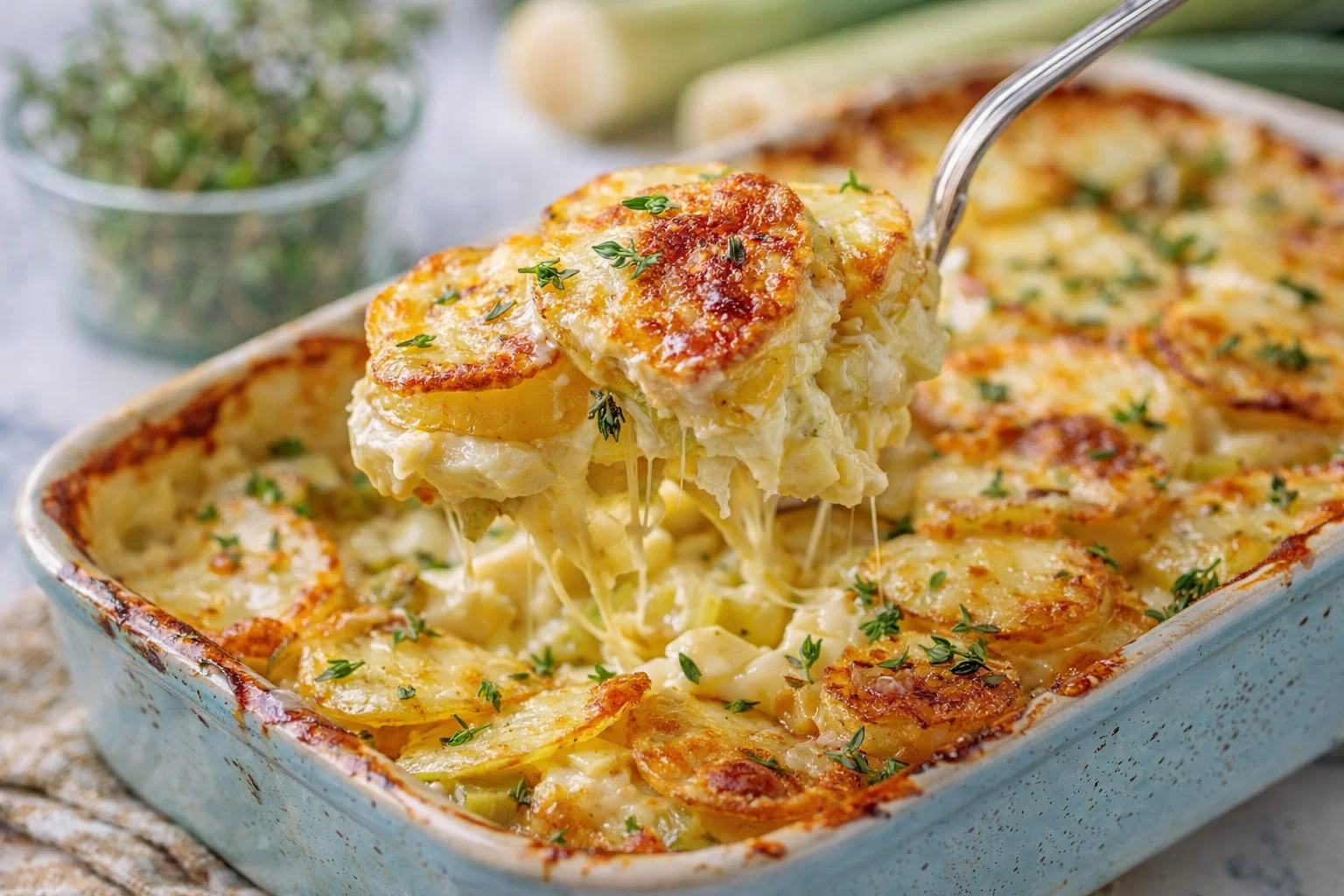
  • Cheesy Scalloped Potatoes With Leeks

    Cheesy Scalloped Potatoes With Leeks

    Cheesy Scalloped Potatoes With Leeks: A Tropical Delight

    Introduction to Cheesy Scalloped Potatoes With Leeks

    Welcome to the world of Cheesy Scalloped Potatoes With Leeks, a dish that embodies comfort food at its finest! If you’re on the hunt for quick dinner recipes that are both satisfying and indulgent, look no further. This creamy, cheesy casserole combines tender potatoes and flavorful leeks, creating a delightful side or a main dish that pleases any palate.

    One of the standout features of this recipe is its versatility. It serves as an ideal canvas for various dietary preferences, seamlessly transitioning between a hearty vegetarian dish and a comforting vegan option. Moreover, it’s gluten-free, which makes it a fantastic choice for those with dietary restrictions. Whether you’re a busy parent seeking a weeknight meal, a student preparing for a potluck, or a food enthusiast wanting to impress, this dish fits the bill beautifully.

    Not only is this recipe easy to prepare, but it also embodies a wholesome approach to cooking. Potatoes, a staple carbohydrate, provide energy, while leeks add a distinct flavor profile and an array of vitamins and minerals, including vitamins A, C, and K. Together, they create a dish that is both nutritious and flavorful.

    So roll up your sleeves and get ready to whip up a dish that brings warmth to every table. Cheesy Scalloped Potatoes With Leeks will inspire you to enjoy cooking and celebrate the beauty of comforting, homemade dinner recipes!

    Benefits and Advantages of Cheesy Scalloped Potatoes With Leeks

    When it comes to preparing dinner recipes, Cheesy Scalloped Potatoes With Leeks takes the spotlight for several compelling reasons:

    Ease of Preparation

    One of the most significant advantages of this dish is its simplicity. With just a handful of ingredients and straightforward steps, you can prepare a delicious meal that requires minimal kitchen skills. This makes it suitable for novice cooks as well as experienced chefs looking for a quick side dish. Just imagine how easy it is to layer the potatoes and leeks, top them with cheese, and let the oven do the work!

    Health Benefits

    In addition to its ease of preparation, this dish boasts multiple health advantages. Potatoes are rich in potassium and fiber—nutrients that aid in heart health and digestion. Leeks, on the other hand, provide antioxidants and anti-inflammatory compounds, making this recipe not just indulgent, but also nourishing. Whether you’re serving this dish to a group or enjoying a cozy night in, you can feel good about the food you’re sharing.

    Dietary Flexibility

    Another standout feature is its adaptability. Do you have dietary restrictions? This recipe can easily be modified to be vegan by swapping traditional cheese for a plant-based alternative, or you can use almond milk for a lighter version. Not only is it gluten-free, but it can also fit into low-calorie diets with simple ingredient swaps.

    Versatile Serving Options

    Cheesy Scalloped Potatoes With Leeks can also serve as a main dish or a side dish. Serve it alongside roasted vegetables and protein for a balanced meal, or enjoy it on its own as a comforting indulgence after a long day. Regardless of how you choose to enjoy it, this dish is guaranteed to become a staple in your home cooking repertoire.

    In summary, when looking for dinner recipes that are accessible, tasty, and multi-functional, Cheesy Scalloped Potatoes With Leeks stands out as a smart choice. It brings together delightful flavors, nutrition, and ease of preparation, making it the perfect dish for any occasion.

    Ingredients Overview

    Essential Ingredients for Cheesy Scalloped Potatoes With Leeks

    Here’s what you’ll need to create the rich layers of flavor in Cheesy Scalloped Potatoes With Leeks:

    • Potatoes (4-5 medium-sized): Choose starchy varieties like Russets or Yukon Gold for a creamy texture.
    • Leeks (2 medium-sized): These add a gentle onion flavor that elevates the dish.
    • Shredded Cheese (2 cups): Use cheddar for sharpness or Monterey Jack for a milder taste. (A vegan cheese substitute can be used here.)
    • Heavy Cream (2 cups): For a rich, smooth texture, but alternative options like coconut cream can be substituted for a lighter version.
    • Butter (2 tablespoons): Used for greasing the baking dish and adding flavor.
    • Salt (to taste): Essential for enhancing the flavors.
    • Black Pepper (to taste): Adds a mild spice that offsets the creaminess.
    • Nutmeg (a pinch): This warm spice elevates the overall taste.

    Dietary Substitutions to Customize Your Cheesy Scalloped Potatoes With Leeks

    This recipe is versatile and can cater to numerous dietary restrictions without sacrificing flavor:

    • Vegan: Substitute dairy cheese with a vegan cheese blend and replace heavy cream with almond or coconut cream.
    • Gluten-Free: This recipe is naturally gluten-free. Just ensure that any packaged ingredients, like cheese, are confirmed gluten-free.
    • Low-Calorie: To reduce calories, use skim milk instead of cream and a reduced-fat cheese option.

    By choosing the right substitutions, you can tailor the Cheesy Scalloped Potatoes With Leeks to fit into many varied diets while ensuring everyone enjoys a comforting meal.

    How to Prepare the Perfect Cheesy Scalloped Potatoes With Leeks: Step-by-Step Guide

    Get ready to embark on a culinary journey to create your ultimate Cheesy Scalloped Potatoes With Leeks; follow this simple step-by-step guide. Precision and care will yield a delightful final result!

    1. Preheat the Oven: Begin by preheating your oven to 375°F (190°C). This ensures that when it’s time to bake, your dish will cook evenly and thoroughly.

    2. Prepare the Leeks: Trim the dark green tops and the root ends of the leeks. Slice them vertically and then chop them into thin half-moons. Rinse them under cold water to remove any grit and pat them dry with a paper towel.

    3. Slice the Potatoes: Using a sharp knife or mandoline, slice the potatoes into thin rounds, about 1/8 inch thick. For best results, keep the skin on, as it adds texture and nutrients.

    4. Grease the Baking Dish: Take a baking dish (approximately 9×13 inches) and generously grease it with butter or a non-stick cooking spray. This prevents the potatoes from sticking and adds a lovely flavor.

    5. Layer Potatoes and Leeks: Begin layering the potatoes at the bottom of the baking dish. Arrange half of the potato slices in an even layer, followed by half of the chopped leeks. Repeat this layering process until all the ingredients are used.

    6. Season: After layering, sprinkle salt, black pepper, and a pinch of nutmeg over the top. This enhances the flavor remarkably.

    7. Prepare the Cream Mixture: In a mixing bowl, combine the heavy cream (or your chosen alternative) with a cup of shredded cheese. Stir until well combined to create a creamy sauce.

    8. Pour the Cream Mixture: Gently pour the cheese and cream mixture evenly over the layered potatoes and leeks. Make sure every slice gets a drizzle of that rich sauce.

    9. Top with Cheese: Sprinkle the remaining shredded cheese over the top of the dish, creating a golden, bubbly crust when baked.

    10. Bake the Casserole: Cover the baking dish with aluminum foil (to prevent burning) and bake in the preheated oven for 45 minutes. After 45 minutes, remove the foil and continue baking for an additional 15-20 minutes or until the cheese is golden and bubbly.

    11. Check for Doneness: Use a knife to test the potatoes; they should be tender and easily pierced. If they are still firm, bake for a little longer, checking every few minutes.

    12. Cool and Serve: Once done, take the baking dish out from the oven and let it cool for about 10 minutes before serving. This allows the cheese to set for easier serving.

    13. Garnish (Optional): For a fresh touch, consider garnishing with chopped chives or parsley before serving to add color and an additional layer of flavor.

    By following these uncomplicated yet effective steps, you’ll achieve a perfect tray of Cheesy Scalloped Potatoes With Leeks that everyone will enjoy. These delicious dinner recipes will quickly become family favorites!

    Mastering Cheesy Scalloped Potatoes With Leeks: Advanced Tips and Variations

    To truly master Cheesy Scalloped Potatoes With Leeks and make them your own, consider the following advanced tips and variations:

    • Herb Infusion: Adding fresh herbs such as thyme or rosemary can elevate the flavor profile. Simply sprinkle some in the layering process for an aromatic twist.

    • Adding Protein: If you want to turn this dish into a complete meal, consider adding cooked chicken, bacon bits, or even sautéed mushrooms between the potato layers. This boosts both the flavor and the protein content of your dish.

    • Cheese Varietals: Experiment with different types of cheese beyond just cheddar. Gruyère or Fontina can provide a unique, savory taste that takes the dish to a new level of deliciousness.

    • Cream Alternatives: For those looking for a healthier option, consider blending silken tofu with a splash of vegetable broth to create a creamy texture without the calories of cream.

    • Texture Variation: For added crunch, consider topping your dish with breadcrumbs or crushed crackers mixed with parmesan for the last 10 minutes of baking.

    • Sweet Potato Variant: For a unique twist, use sweet potatoes instead of regular potatoes for a vibrant color and a hint of sweetness. This not only enhances flavor but also provides additional nutritional benefits.

    These enhancements can transform an already fantastic dish into a culinary masterpiece that will impress your family and friends. Explore variations to suit your taste preferences, and elevate your dinner recipes!

    How to Store Cheesy Scalloped Potatoes With Leeks: Best Practices

    To ensure that your Cheesy Scalloped Potatoes With Leeks remain fresh and flavorful for days to come, follow these storage practices:

    Refrigeration

    Allow any leftover scalloped potatoes to cool to room temperature before transferring them to an airtight container. Properly stored, they can remain in the fridge for 3 to 5 days. When ready to eat, simply reheat portions in the microwave or oven until warmed through.

    Freezing

    If you want to store leftovers for a more extended period, freezing is an option. To do this effectively, cut the dish into servings and wrap each piece tightly with plastic wrap, followed by aluminum foil or place them in a freezer-safe container. Frozen scalloped potatoes can last up to 3 months in the freezer. For the best results, aim to consume them within that time frame to ensure optimal taste and texture.

    Reheating

    When you’re ready to enjoy your frozen or refrigerated Cheesy Scalloped Potatoes With Leeks, preheat your oven to 350°F (175°C). Place the dish in an oven-proof container and cover it with aluminum foil to prevent drying out. Bake for about 25-30 minutes if frozen, or 15-20 minutes if refrigerated. Alternatively, you can reheat it in the microwave, ensuring even heating especially if it’s a single serving.

    Following these easy storage methods will allow you to enjoy your delicious dinner recipes even after the initial cooking experience.

    Nutritional Value of Cheesy Scalloped Potatoes With Leeks

    Understanding the nutritional benefits of Cheesy Scalloped Potatoes With Leeks can help you incorporate this dish into a balanced diet:

    Nutritional Breakdown per 1-cup Serving

    • Calories: Approximately 400-500 calories (variation depends on ingredients used)
    • Protein: 10-15 grams (higher if adding protein)
    • Fat: 25-30 grams (can be lightened based on cream and cheese used)
    • Carbohydrates: 40-50 grams
    • Fiber: 3-5 grams
    • Sodium: 600-800 mg (can be reduced by using low-sodium cheese)

    Vitamins and Minerals

    • Vitamin A: Good source from leeks
    • Vitamin C: Found in leeks and potatoes
    • Iron & Calcium: Present thanks to the dairy ingredients
    • Potassium: High content in potatoes, beneficial for regulating blood pressure.

    With the above nutritional information, you can see that Cheesy Scalloped Potatoes With Leeks not only taste wonderful, but they also provide a range of important nutrients. It makes the dish a fitting option for a hearty meal that doesn’t compromise on health, thus establishing it as a classic choice among comforting dinner recipes.

    FAQs: Frequently Asked Questions About Cheesy Scalloped Potatoes With Leeks

    Can I make Cheesy Scalloped Potatoes With Leeks ahead of time?

    Absolutely! You can assemble the dish ahead of time, cover it, and refrigerate it until you’re ready to bake it. Just add a few extra minutes to the baking time if cooking straight from the fridge.

    What other vegetables can I add to this recipe?

    You can add vegetables such as spinach, kale, or zucchini—anything that complements the potatoes works well! Just make sure to sauté watery vegetables beforehand to prevent excess moisture.

    Can I use different types of cheese?

    Yes, feel free to experiment with different blends of cheese! As mentioned earlier, Gruyère or Fontina are excellent substitutes that can enhance the flavor profile.

    Is this recipe suitable for meal prep?

    Definitely! You can portion the Cheesy Scalloped Potatoes With Leeks into individual servings, making them a great option for meal prepping for the week ahead.

    How do I know when the potatoes are cooked through?

    Use a knife to pierce through the layers. If it easily slides through, the potatoes are cooked. If there’s resistance, allow it to bake longer, checking every few minutes.

    Are there any gluten-free options?

    Yes! The recipe is gluten-free as it stands. Just check any packaged ingredients, like cheese, to ensure they are gluten-free as well.

    With these FAQs answered, we’re confident that you will feel fully prepared to create and enjoy your Cheesy Scalloped Potatoes With Leeks. Not only does this dish satisfy cravings, but it also supports your journey towards discovering easy, delightful dinner recipes!

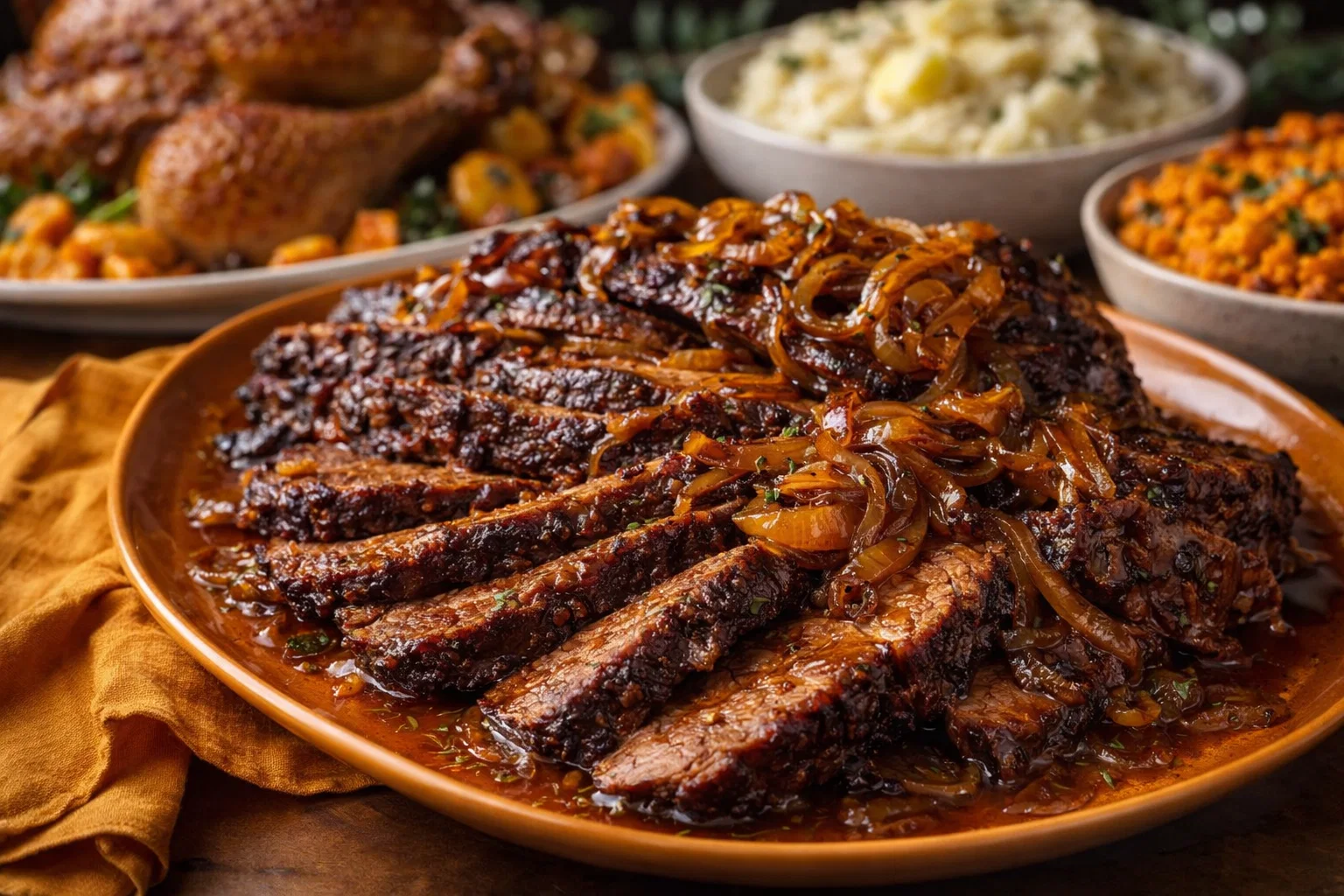
  • Homemade Brisket For Thanksgiving

    Homemade Brisket For Thanksgiving

    Homemade Brisket For Thanksgiving: A Tropical Delight

    Introduction to Homemade Brisket For Thanksgiving

    As you gather around the table for one of the most cherished holidays of the year, Thanksgiving, consider introducing a dish that marries traditional flavors with modern culinary ease—Homemade Brisket. This savory, succulent brisket recipe showcases a blend of spices and aromatics that uplift the entire meal and create lasting memories. It’s not just another one of those Thanksgiving recipes; it’s a flavorful journey that any home cook can embark on with confidence.

    What makes this brisket a notable choice for your Thanksgiving feast? For starters, its simplicity appeals to home cooks at every level. The recipe calls for easily accessible ingredients, ensuring you won’t be scrambling at the last minute. Moreover, it offers a range of benefits for various dietary needs; brisket can be both gluten-free and adaptable for different diets. You can effortlessly tailor the seasoning to cater to vegetarian preferences with a few adjustments, making it an inclusive option for everyone at your table.

    Packed with protein, iron, and essential nutrients, homemade brisket embodies a hearty, wholesome meal that is both satisfying and nourishing. With a step-by-step guide and variations included, this recipe invites even the busiest of parents or culinary beginners to serve a restaurant-quality dish at home. So, let’s dive into this mouthwatering brisket dish, ensuring your Thanksgiving gathering is a memorable culinary experience.

    Benefits and Advantages of Homemade Brisket For Thanksgiving

    Homemade brisket not only delights the palate but also brings numerous benefits that make it a fantastic choice for Thanksgiving recipes. One significant advantage is the ease of preparation. Even during the hustle and bustle of holiday planning, you can prepare this dish within a reasonable time frame, allowing you to spend more quality time with loved ones. The slow-cooking process breaks down the meat’s fibers, rendering it tender enough to pull apart with a fork, leaving your family and friends in awe of your culinary skills.

    Another appealing aspect of homemade brisket is its health benefits. While brisket itself is a cut of beef that is high in protein and essential nutrients, the health-conscious cook can easily customize the recipe to suit specific dietary needs. For individuals focused on a low-fat diet, choosing a lean cut of brisket allows you to reduce overall fat content without sacrificing flavor. Moreover, by balancing the dish with vegetables and whole grains, you can easily create a nutritious meal that caters to health-conscious diners at your Thanksgiving gathering.

    Additionally, homemade brisket can serve various dietary preferences. Those following gluten-free diets can enjoy this dish without concerns. Furthermore, if you’re looking to cater to a vegan or vegetarian audience, you can use a plant-based alternative that mimics the brisket’s savory depth. The versatility of this dish makes it stand out among Thanksgiving recipes, offering something for everyone, even those with different dietary restrictions.

    Ingredients Overview

    Essential Ingredients for Homemade Brisket For Thanksgiving

    To make your homemade brisket for Thanksgiving, you’ll need the following essential ingredients:

    • 5 lbs Beef Brisket: Choose a well-marbled cut for maximum flavor and tenderness. (For a leaner option, consider using a 3 lbs flat-cut brisket.)
    • 1 tablespoon Olive Oil: Adds moisture and assists in browning the meat.
    • 2 teaspoons Kosher Salt: Essential for seasoning the brisket and drawing out its natural flavors.
    • 1 teaspoon Black Pepper: Provides a spicy kick to balance the richness of the meat.
    • 1 tablespoon Paprika: Offers sweetness and vibrant color to the dish.
    • 2 teaspoons Garlic Powder: Infuses an aromatic quality that complements the brisket.
    • 1 tablespoon Onion Powder: Enhances the flavor profile with its savory undertones.
    • 1 cup Beef Broth or Vegetable Broth (Vegan): Keeps the brisket moist while cooking and adds additional flavor.
    • 2-3 Bay Leaves: Infuses subtle herbal notes.
    • Optional: Fresh herbs such as thyme or rosemary: For a fragrant garnish.

    By choosing high-quality ingredients, you’re enhancing both the taste and nutritional profile, ensuring your brisket becomes a memorable centerpiece this Thanksgiving.

    Dietary Substitutions to Customize Your Homemade Brisket For Thanksgiving

    • Gluten-Free Version: Ensure your broth is gluten-free and opt for gluten-free soy sauce for added umami flavor during marination.
    • Vegan/Vegetarian Version: Use a thick plant-based substitute like seitan or jackfruit to create a satisfying plant-based alternative to brisket. The seasoning remains the same for flavor enhancement.
    • Low-Calorie Option: Trim off excess fat from the brisket and substitute a low-sodium broth to make the dish healthier.

    By providing dietary substitutions, your homemade brisket will appeal to a wider audience and firmly establish its place among the best Thanksgiving recipes.

    How to Prepare the Perfect Homemade Brisket For Thanksgiving: Step-by-Step Guide

    Homemade brisket might sound intimidating, but with this simple step-by-step guide, you’ll be set up for success. The key to a perfect brisket lies in the preparation and slow cooking.

    1. Prepare the Base: Start by preheating your oven to 300°F (150°C). This lower temperature allows the brisket to cook slowly, breaking down tough fibers for a tender texture.

    2. Season the Brisket: Rub your brisket thoroughly with olive oil, kosher salt, black pepper, paprika, garlic powder, and onion powder. Ensure that the seasoning is evenly distributed.

    3. Sear the Brisket: In a large oven-safe skillet or Dutch oven, heat a little more olive oil over medium-high heat. Once hot, sear the brisket for about 4-5 minutes on each side until browned. This locks in the juices and enhances flavor.

    4. Add Flavor Elements: Pour one cup of beef or vegetable broth around the brisket and add bay leaves. If you’re using herbs like thyme or rosemary, add them now for a fragrant touch.

    5. Cover and Cook: Cover the skillet with a tight-fitting lid or aluminum foil. Transfer it to the oven and let it cook for 4-5 hours, or until the brisket is fork-tender. Check periodically to ensure liquid does not evaporate completely.

    6. Baste the Brisket: Every hour, take a moment to baste the brisket with the cooking liquid. This adds moisture and helps develop flavor.

    7. Rest the Meat: Once cooked, remove the brisket from the oven and let it rest for at least 30 minutes. This allows the juices to redistribute throughout the meat, making it juicy and tender when sliced.

    8. Slice and Serve: Using a sharp knife, slice the brisket against the grain into thin pieces. Serve with the cooking juices spooned over the top for added flavor.

    With this detailed guide, anyone can create a delicious homemade brisket that will leave a lasting impression at Thanksgiving dinner. Remember, it’s a versatile dish that can be personalized for dietary needs easily.

    Mastering Homemade Brisket For Thanksgiving: Advanced Tips and Variations

    Once you’ve mastered the basic recipe for homemade brisket, consider exploring a few advanced tips and variations that can elevate your dish to gourmet status.

    • Marinate Overnight: For deeper flavors, consider marinating the brisket overnight. Use a mixture of your spices along with some apple cider vinegar or red wine for a tenderizing effect.

    • Add a Sweet Element: Incorporating a touch of brown sugar or maple syrup into your spice rub can balance the savory notes with a hint of sweetness. It’s an unexpected twist that can make your brisket unique among Thanksgiving recipes.

    • Experiment with Spices: Feel free to add spices such as cumin, coriander, or chili powder for a regional twist. Each addition can create a different flavor profile, catering to various palates.

    • Slow Cooker Variation: If you prefer, you can adapt this recipe for a slow cooker. Simply follow the steps for seasoning and browning, then place everything in the slow cooker, adding additional broth if needed, and cook on low for 8-10 hours.

    These advanced tips and variations not only enhance your homemade brisket but also inspire creativity in the kitchen, encouraging you to innovate beyond typical Thanksgiving recipes.

    How to Store Homemade Brisket For Thanksgiving: Best Practices

    Once you’ve prepared your delicious homemade brisket and perhaps have some leftovers, it’s essential to know the best storage practices. Properly storing brisket can help maintain its flavor and quality for days to come.

    • Refrigeration: Allow the brisket to cool completely before wrapping it tightly in plastic wrap or aluminum foil. Store it in an airtight container in the refrigerator for up to three days. The juices will help keep the meat moist.

    • Freezing: If you want to store the brisket for longer, consider freezing it. Wrap the sliced brisket tightly in plastic wrap, then in aluminum foil for added protection against freezer burn. Properly stored, it can last for up to two months in the freezer.

    • Reheating: To reheat, thaw the brisket in the refrigerator overnight. Place it in a baking dish with some of its reserved cooking liquid or brisket broth, cover with foil, and reheat in a 300°F (150°C) oven until warmed through (about 20-30 minutes). This method helps retain moisture and flavor.

    Understanding storage practices ensures that your delicious dish can be enjoyed beyond just Thanksgiving dinner.

    Nutritional Value of Homemade Brisket For Thanksgiving

    When preparing a homemade brisket, being aware of its nutritional value can help you make informed choices for your Thanksgiving meal. Below are estimated values for a 3 oz serving of cooked brisket:

    • Calories: Approximately 240
    • Protein: 22g
    • Total Fat: 16g
      • Saturated Fat: 6g
    • Cholesterol: 70mg
    • Sodium: 400mg
    • Carbohydrates: 0g (no carbs)

    Brisket is an excellent source of high-quality protein, essential for muscle repair and growth. It also provides essential vitamins and minerals such as iron, which helps in the production of red blood cells, and B vitamins that are crucial for energy metabolism.

    For those focusing on health-conscious options, trimming visible fat can help reduce calorie intake, ensuring that your homemade brisket is a delicious yet nutritious meal choice this Thanksgiving.

    FAQs: Frequently Asked Questions About Homemade Brisket For Thanksgiving

    Q1: Can I use a different meat for this recipe?

    Absolutely! While brisket is traditional, you can use other cuts like chuck roast or even pork. Adjust cooking times according to the thickness of the cut.

    Q2: How can I make this recipe gluten-free?

    Simply choose gluten-free broth and ensure all your spices are free of gluten contamination.

    Q3: Is it necessary to sear the brisket?

    Searing the meat is highly recommended, as it creates a flavorful crust that enhances the overall taste of the dish.

    Q4: How can I ensure my brisket remains tender?

    Low and slow cooking is key to a tender brisket. Avoid high heat, as it can lead to a tougher texture.

    Q5: Can I cook this dish in advance?

    Yes! Brisket often tastes better the next day, as the flavors deepen. Just reheat gently before serving.

    Incorporating these FAQs provides clarity on common concerns, showcasing your expertise and inviting more exploration into your homemade brisket recipe. By making this recipe accessible and easy, you enrich the Thanksgiving experience for all your loved ones.

  • IM Obsessed Been Making This Brisket Sandwich Non-Stop

    IM Obsessed Been Making This Brisket Sandwich Non-Stop

    I’M Obsessed! Been Making This Brisket Sandwich Non-Stop!: A Tropical Delight

    Introduction to I’M Obsessed! Been Making This Brisket Sandwich Non-Stop!

    Are you on the hunt for new dinner recipes to spice up your mealtime routine? Look no further! The brisket sandwich has taken my kitchen by storm, and for good reason. It’s not only an exceptionally tasty option but also quite simple to prepare. The delightful blend of tender brisket, zesty condiments, and fresh toppings creates a satisfying meal that caters to diverse tastes.

    One of the fantastic aspects of this brisket sandwich is its adaptability. You can easily make it suitable for various dietary needs, whether you’re catering to vegan friends or gluten-intolerant family members. By utilizing alternatives, you can create a low-calorie version of this dish without sacrificing taste. Moreover, preparing this recipe is a wonderful bonding experience for families or friends, making it a perfect culinary adventure to share. So let’s dive into the world of this delicious brisket sandwich and discover why it has become my newfound obsession.

    Benefits and Advantages of I’M Obsessed! Been Making This Brisket Sandwich Non-Stop!

    This brisket sandwich isn’t just another addition to your dinner recipes collection; it represents a culinary strategy that makes meal preparation a delightful experience. One of the biggest advantages is the ease of preparation. With just a handful of ingredients and minimal time commitment, you can whip up a dish that impresses family and friends.

    Health Benefits

    The nutritional profile of this sandwich can be tailored to meet several dietary requirements. For instance, brisket is a source of protein, essential for muscle building and repair, while the choice of fresh veggies as toppings ensures you get your daily vitamins and minerals. Opting for whole-grain bread instead of white can add fiber to your meal, contributing to better digestion.

    Versatility and Flavor

    What sets this recipe apart is its versatility. You can experiment with various condiments, toppings, and seasonings to create a unique flavor profile that suits your palate. Whether you prefer a spicy kick with jalapeños or a sweet crunch with pickles, this sandwich can evolve.

    Family-Friendly

    This brisket sandwich is perfect for family dinners, busy parents looking for quick yet nutritious meals, or college students who want something delicious without breaking the bank. The simplicity of ingredients makes it easy for anyone, from newlyweds to seasoned chefs, to put together and enjoy. It encourages creativity in the kitchen, allowing you to involve little hands in the crafting process.

    In summary, the combination of convenience, adaptability for dietary needs, and rich flavors makes this brisket sandwich an all-star choice among dinner recipes.

    Ingredients Overview

    Essential Ingredients for I’M Obsessed! Been Making This Brisket Sandwich Non-Stop!

    Here’s your comprehensive list of ingredients needed for this scrumptious sandwich:

    • For the Brisket:
    • 2 lbs beef brisket
    • 2 tablespoons olive oil
    • 1 cup beef broth (or vegetable broth for a vegan option)
    • 1 tablespoon garlic powder
    • 1 tablespoon onion powder
    • 1 tablespoon smoked paprika
    • Salt and pepper to taste

    • For the Sandwich:

    • 4 large whole-grain sandwich rolls (gluten-free rolls available)
    • 1 cup shredded lettuce
    • 1 medium tomato, sliced
    • 1 avocado, sliced (optional for a healthy fat boost)
    • Your choice of condiments (barbecue sauce, mustard, or aioli)

    Dietary Substitutions to Customize Your I’M Obsessed! Been Making This Brisket Sandwich Non-Stop!

    Vegan Option: Substitute the brisket with jackfruit or seitan, and replace beef broth with vegetable broth. The same spices can be applied to achieve a satisfying flavor.

    Gluten-Free Option: Use gluten-free sandwich rolls, which ensure that everyone can enjoy this delicious meal without dietary concerns.

    Low-Calorie Option: For a lighter sandwich, skip the bread altogether and serve the brisket over a bed of greens. This substitution not only reduces calories but also packs in nutrition.

    Feel free to swap out any ingredient to suit your taste preferences or dietary restrictions. The goal is to create a meal that everyone can enjoy!

    How to Prepare the Perfect I’M Obsessed! Been Making This Brisket Sandwich Non-Stop!: Step-by-Step Guide

    Get ready to embark on a cooking adventure! Below is a straightforward, step-by-step guide to creating your very own brisket sandwich masterpiece.

    1. Prepare the Brisket:
    2. Begin by preheating your oven to 300°F (150°C). Pat the brisket dry with paper towels, which helps it brown nicely when cooking.

    3. Season the Meat:

    4. Rub the brisket generously with olive oil, salt, pepper, garlic powder, onion powder, and smoked paprika. Make sure to coat the meat evenly for maximum flavor.

    5. Cooking the Brisket:

    6. Place the brisket in a roasting pan. Pour the beef broth around the meat (don’t pour it directly over or you’ll wash off the seasoning). Cover the pan tightly with aluminum foil.

    7. Slow Cook:

    8. Cook in the preheated oven for about 3 to 4 hours or until the meat is fork-tender and easily shreds. This slow cooking allows flavors to meld beautifully.

    9. Shred the Brisket:

    10. Once cooked, remove the brisket from the oven. Let it rest for about 20 minutes, then use two forks to shred the meat.

    11. Assemble the Sandwich:

    12. Take your sandwich roll and layer a generous amount of shredded brisket. Top with shredded lettuce, tomato slices, and avocado (if using). Drizzle your choice of condiments over the top.

    13. Serve:

    14. Place the sandwiches on a serving platter and dig in! This brisket sandwich pairs wonderfully with a side of sweet potato fries or a simple salad.

    Feel free to alter any portion of this recipe to meet dietary preferences, making it a versatile and essential part of your dinner recipes repertoire.

    Mastering I’M Obsessed! Been Making This Brisket Sandwich Non-Stop!: Advanced Tips and Variations

    To elevate your brisket sandwich experience, consider these advanced tips and variations:

    • Marinate the Brisket: For deeper flavor, consider marinating the brisket overnight with the spices and a splash of vinegar. This can enhance tenderness and infusion of flavors.

    • Grill It: If you’re aiming for a smoky flavor, grill your bread before assembling the sandwich. The added char offers a delightful contrast to the juicy brisket.

    • Try Different Breads: Experiment with various bread types—ciabatta, baguette, or even a pretzel bun! The right bread can elevate your sandwich to the next level.

    • Trash Can Nacho Twist: Turn your brisket leftovers into trash can nachos. Layer tortilla chips with shredded brisket, cheese, jalapeños, and your favorite toppings for a fun party snack.

    Using these advanced tips will not only help you master this recipe but also spark creativity in your kitchen, allowing you to craft unique variations time and again.

    How to Store I’M Obsessed! Been Making This Brisket Sandwich Non-Stop!: Best Practices

    Let’s talk about the best storage methods for maintaining the integrity of your brisket sandwich:

    • Refrigeration: Store any leftover brisket in an airtight container for up to four days. To keep the bread crisp, store it separately.

    • Freezing: If you want to preserve leftovers for longer, shredded brisket can be frozen. Place it in a freezer-safe bag, pushing out as much air as possible. It will last for about three months.

    • Reheating: To reheat brisket, place it in a saucepan over low heat with a splash of broth or water to prevent it from drying out. Warm on the stovetop until heated through. For sandwiches, toast the bread lightly before assembling.

    Proper storage ensures that you can enjoy your delicious brisket creation for days to come, fitting into your hectic schedule while offering the allure of comfort food at its best.

    Nutritional Value of I’M Obsessed! Been Making This Brisket Sandwich Non-Stop!

    Understanding the nutrition behind your meals is essential. Here’s a nutritional breakdown of a standard brisket sandwich (excluding condiments):

    • Calories: Approximately 450
    • Protein: 30g
    • Fat: 25g (can be reduced with leaner cuts and low-fat condiments)
    • Carbohydrates: 40g (can be lowered by opting for fewer carbs or alternate bases)
    • Fiber: 6g (more fiber if using whole-grain or adding veggies)

    These values will vary based on specific ingredient choices, so be sure to modify your recipe to meet your particular dietary goals. The brisket serves as a great source of protein, while the vegetables contribute to your overall nutrient intake.

    FAQs: Frequently Asked Questions About I’M Obsessed! Been Making This Brisket Sandwich Non-Stop!

    Q: Can I make this brisket sandwich in a slow cooker?
    A: Absolutely! You can follow the same seasoning and preparation steps, then cook on low in your slow cooker for 6-8 hours. The brisket will become incredibly tender and flavorful.

    Q: How can I make this sandwich kid-friendly?
    A: Adjust the seasonings and stick with milder condiments. Instead of adding spicy toppings, go for slightly sweet sauces or simply stick to classic mayo or ketchup.

    Q: What can I use instead of brisket?
    A: If brisket isn’t available, you can substitute other meat cuts, such as chuck roast or even pulled pork. For a vegetarian option, jackfruit works well.

    Q: Is it possible to make this dish spicy?
    A: Certainly! Add chili powder to the spice mixture for the brisket or layer on jalapeños and spicy barbecue sauce to kick things up a notch.

    Q: How do I ensure my brisket stays moist while cooking?
    A: Protect the brisket with foil while it cooks, and make sure the broth surrounds the meat to provide moisture. Letting it rest after cooking also helps retain juiciness.

    This brisket sandwich recipe offers endless opportunities to explore culinary creativity while addressing various dietary requirements. Enjoy the journey as you dive into this delicious world of flavors!

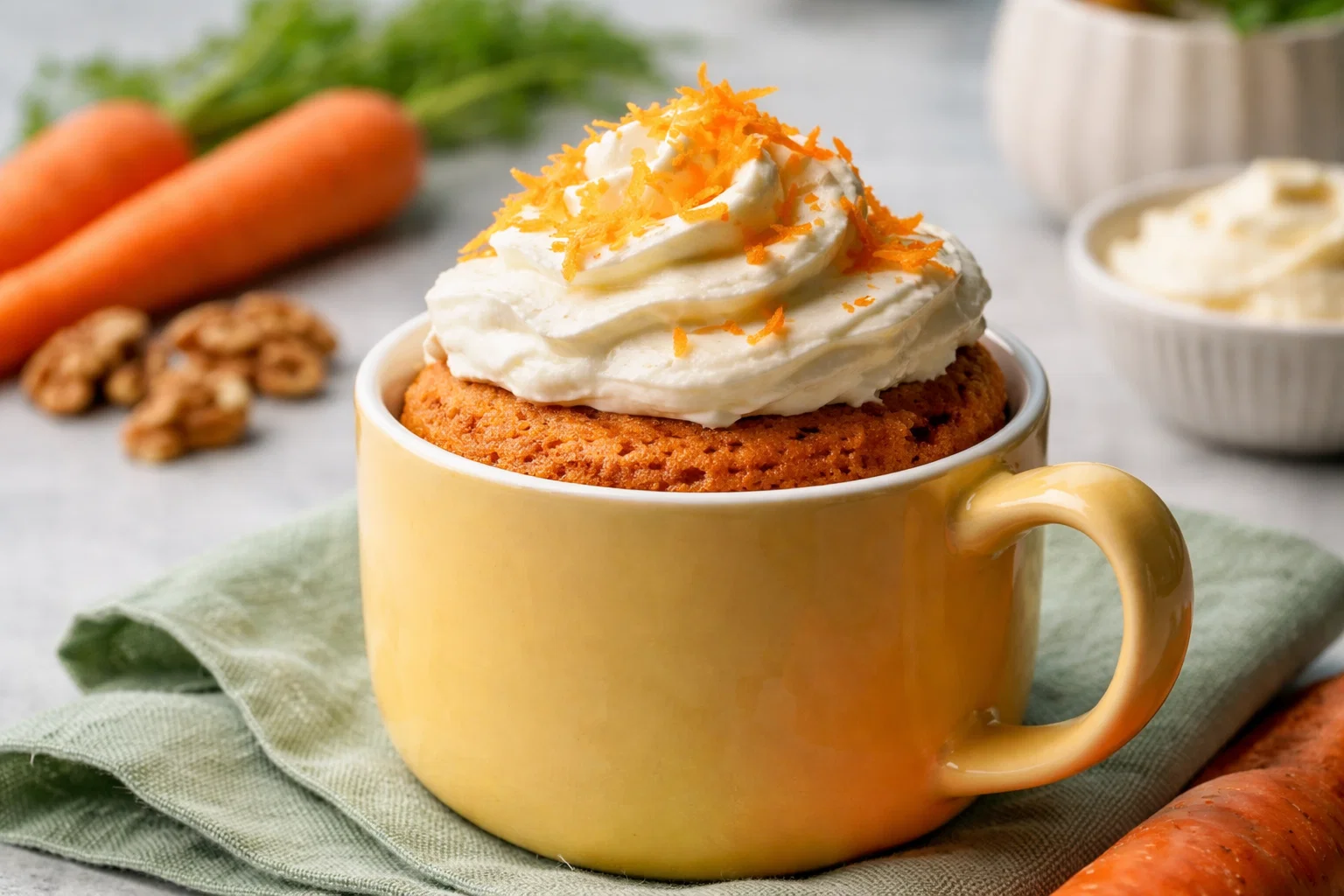
  • IM Obsessed Been Making This Carrot Cake Non-Stop

    IM Obsessed Been Making This Carrot Cake Non-Stop

    I’M Obsessed! Been Making This Carrot Cake Non-Stop!: A Tropical Delight

    Introduction to I’M Obsessed! Been Making This Carrot Cake Non-Stop!

    If you’re in the search for extraordinary dessert recipes that strike the perfect balance between indulgence and nourishment, look no further! This carrot cake recipe has captured my heart (and my taste buds) and has been my go-to treat. Not only is it unbelievably easy to make, but it also offers amazing health benefits. Made with wholesome ingredients, this cake is rich in nutrients, moist, and fluffy, all while being suitable for various dietary preferences.

    The beauty of this carrot cake lies in its versatility. It can easily be made vegan or gluten-free without sacrificing flavor or texture. Whether you’re a busy parent looking for a quick dessert to whip up for a school bake sale, a student who wants a sweet treat after a hectic day of classes, or someone who simply enjoys baking, this cake is a fantastic choice. Trust me, once you try it, you’ll understand why I can’t stop making it!

    With the perfect mix of spices and natural sweetness from carrots, this carrot cake not only satisfies your sweet tooth but also aligns with your health goals. Let’s dive into this delectable recipe and discover the many reasons why you’ll fall in love with it, just like I have.

    Benefits and Advantages of I’M Obsessed! Been Making This Carrot Cake Non-Stop!

    Why should you add this carrot cake to your repertoire of dessert recipes? Here are just a few reasons that make it a standout option for home cooks from all walks of life:

    1. Simplicity in Preparation: This delightful carrot cake requires minimal effort to prepare, making it perfect even for novice bakers. With straightforward steps and readily available ingredients, you won’t have to worry about complicated techniques or special equipment.

    2. Health Benefits: Carrots are packed with vitamins and antioxidants, making this cake a guilt-free indulgence. Rich in beta-carotene, they contribute to better vision and skin health while providing dietary fiber for digestive health. When combined with wholesome ingredients like whole wheat flour or almond flour, the nutritional profile improves significantly.

    3. Versatile for Dietary Needs: Whether you’re following a vegan diet, gluten-free lifestyle, or trying to cut back on sugar, this cake can accommodate various preferences. Substitutions can be made easily, allowing everyone to enjoy a piece of this moist and flavorful carrot cake.

    4. Great for Any Occasion: This carrot cake is not just for dessert; it can also serve as a birthday cake, dessert for family gatherings, or a sweet treat to offer guests. Its beautiful appearance and delightful aroma will undoubtedly impress anyone who tries it.

    5. Make-Ahead Friendly: Another advantage is that this cake can be made in advance. Whether you want to prepare it for a special event or simply to have on hand for snacking, it keeps well, allowing you to enjoy it throughout the week.

    With these benefits in mind, it’s clear why you’ll want to keep making this delectable carrot cake. It’s a treat that checks off every box, from flavor and convenience to health and inclusivity!

    Ingredients Overview

    Essential Ingredients for I’M Obsessed! Been Making This Carrot Cake Non-Stop!

    Here is a list of the essential ingredients you’ll need to create this scrumptious carrot cake, along with their measurements and purposes:

    • 2 cups all-purpose flour (or gluten-free flour for a gluten-free option)
    • 1 ½ cups granulated sugar (or coconut sugar or maple syrup for a healthier choice)
    • 1 teaspoon baking soda
    • 1 teaspoon baking powder
    • 1 teaspoon ground cinnamon
    • ½ teaspoon ground nutmeg
    • ½ teaspoon salt
    • 1 cup vegetable oil (or unsweetened applesauce for a lower-calorie option)
    • 4 large eggs (or flaxseed eggs for a vegan option)
    • 3 cups grated carrots (freshly shredded)
    • 1 cup crushed pineapple, drained (adds moisture and sweetness)
    • 1 cup chopped walnuts or pecans (optional, but adds texture)
    • 1 teaspoon vanilla extract

    It’s essential to choose quality ingredients to achieve the best results. For instance, opting for fresh, organic carrots and high-quality spices enhances the flavor profile of your carrot cake.

    Dietary Substitutions to Customize Your I’M Obsessed! Been Making This Carrot Cake Non-Stop!

    There’s always room for customization in any recipe! Here are some suggested substitutions to cater to different dietary needs:

    1. Vegan Version: Replace eggs with flaxseed eggs (mix 1 tablespoon ground flaxseed with 2.5 tablespoons water and let sit for 5 minutes) or unsweetened applesauce (¼ cup per egg).

    2. Gluten-Free Version: Use a gluten-free flour blend instead of all-purpose flour and ensure any baking powder is also gluten-free.

    3. Reduced Sugar Option: Substitute granulated sugar for coconut sugar, monk fruit sweetener, or reduce sugar and enhance natural sweetness with more carrots and pineapple.

    4. Lower-Calorie Option: Substitute vegetable oil with unsweetened applesauce or yogurt, allowing for moistness without as many calories.

    5. Nuts-Free: Omit the walnuts or pecans entirely or replace them with seeds like sunflower or pumpkin seeds to provide texture without the allergen.

    These substitutions not only make the recipe easier to adapt to your specific needs, but they also maintain the deliciousness that makes this cake so appealing.

    How to Prepare the Perfect I’M Obsessed! Been Making This Carrot Cake Non-Stop!: Step-by-Step Guide

    Are you ready to create your own delightful carrot cake? Follow this step-by-step guide to ensure success every time you whip up this dessert recipe:

    1. Preheat the Oven: Start by preheating your oven to 350°F (175°C). Greasing and flouring two 9-inch round cake pans will help your cakes release easily once they’re done baking.

    2. Prepare Dry Ingredients: In a large mixing bowl, sift together the all-purpose flour, baking powder, baking soda, cinnamon, nutmeg, and salt. This ensures all dry ingredients are evenly mixed and free of lumps.

    3. Mix the Wet Ingredients: In another bowl, whisk together the vegetable oil and granulated sugar until fully combined. Incorporate the eggs one at a time, mixing well between each addition. If you’re using flaxseed eggs or applesauce, add them at this stage.

    4. Combine Mixtures: Gradually add the dry ingredients to the wet mixture. Be careful not to overmix; stir until just combined, allowing for small lumps.

    5. Add the Good Stuff: Gently fold in the grated carrots, drained crushed pineapple, and chopped nuts (if using). This is where the flavor and texture come together beautifully.

    6. Pour Batter into Pans: Divide the batter evenly between the prepared cake pans, smoothing the tops with a spatula.

    7. Bake: Place the cake pans into the preheated oven and bake for 25-30 minutes. Your cakes are done when a toothpick inserted in the center comes out clean.

    8. Cool: Allow the cakes to cool in their pans for about 10 minutes before inverting them onto a wire rack to cool completely. Cooling is crucial for icing and ensure the cake retains its shape.

    9. Prepare Your Favorite Frosting: While the cake cools, prepare a cream cheese frosting or vegan frosting if required. Mix your cream cheese with powdered sugar, butter (or coconut oil), and vanilla until well blended.

    10. Frost the Cake: Once cooled, layer your carrot cake. Spread frosting between the layers and on top, making it as lavish as you desire!

    11. Serve: Let the cake sit for about 30 minutes to set before slicing. Serve it with coffee, tea, or as a sweet ending to any meal.

    12. Enjoy and Share: Enjoy your homemade carrot cake responsibly—though I guarantee you’ll be tempted to eat more than one slice!

    By following these simple steps, you will create a show-stopping carrot cake everyone will want to enjoy. Don’t forget to customize your cake based on dietary preferences for the best experience!

    Mastering I’M Obsessed! Been Making This Carrot Cake Non-Stop!: Advanced Tips and Variations

    Once you master this carrot cake, you can explore various tips and flavor variations that will elevate your baking game. Here are some suggestions:

    • Add Spices: Don’t stop at cinnamon and nutmeg. Feel free to experiment with cardamom, ginger, or allspice to introduce unique flavor dimensions.

    • Frosting Options: Instead of cream cheese frosting, consider coconut cream frosting or a simple dusting of powdered sugar for a lighter finish. Chocolate lovers can also experiment with chocolate ganache!

    • Mix-Ins: Include shredded coconut, raisins, or even apple chunks for additional flavors and textures. These additions can personalize the carrot cake to your liking.

    • Storage Variations: Make cupcake versions of this carrot cake! Use a standard cupcake tin and bake for about 15-20 minutes for individual-sized treats perfect for lunchboxes or gatherings.

    • Decorative Toppings: Add fresh fruit, nuts, or even edible flowers as decorative toppings for a professional touch when serving your cake at gatherings.

    With these tips, you can turn a simple cake into a show-stopping dessert that delights everyone!

    How to Store I’M Obsessed! Been Making This Carrot Cake Non-Stop!: Best Practices

    Proper storage is vital to keep your carrot cake moist and flavorful. Follow these best practices to maintain its deliciousness:

    • Refrigeration: Store any leftover carrot cake in an airtight container in the fridge. If you used cream cheese frosting, it’s essential to refrigerate the cake to prevent spoilage.

    • Freezing: For longer storage, freeze your carrot cake. Wrap individual slices in plastic wrap and place them in a freezer bag. Thaw overnight in the refrigerator before serving.

    • Room Temperature: If the cake is unfrosted, you can store it at room temperature for a few days, covered in plastic wrap. However, frosting should always go in the fridge.

    This cake is best enjoyed fresh, but with proper storing methods, you can keep it around for days and even weeks.

    Nutritional Value of I’M Obsessed! Been Making This Carrot Cake Non-Stop!

    Understanding the nutritional value of your carrot cake can keep your health goals in check while enjoying a slice of this delightful treat. Here’s a breakdown:

    • Serving Size: Approx. 1 slice (1/12 of a cake)
    • Calories: 350-400 calories (can vary based on ingredients used)
    • Total Fat: 18g (varies with oil or applesauce)
    • Saturated Fat: 2g
    • Cholesterol: 50mg (optional for vegan)
    • Sodium: 220mg
    • Total Carbohydrates: 50g
    • Dietary Fiber: 2g
    • Sugars: 25g
    • Protein: 4g

    This cake offers a moderate number of calories along with a fair amount of fiber from the carrots, making it a more nutritious choice compared to traditional desserts. Just keep portion control in mind, especially if you’re focusing on healthful eating!

    FAQs: Frequently Asked Questions About I’M Obsessed! Been Making This Carrot Cake Non-Stop!

    Can I make this carrot cake ahead of time?

    Absolutely! Carrot cake can be made up to a few days in advance. Just wrap it in plastic wrap or store it in an airtight container in the refrigerator until you’re ready to serve.

    What can I use instead of eggs?

    If you’re looking for an egg substitute, consider using flaxseed eggs (mixing 1 tablespoon ground flaxseed with 2.5 tablespoons water) or unsweetened applesauce (¼ cup for each egg).

    How do I store leftovers?

    Leftover carrot cake should be kept in an airtight container in the fridge, especially if frosted. You can keep it at room temperature for a couple of days if it’s unfrosted.

    Can I freeze the carrot cake?

    Yes! You can freeze the un-frosted carrot cake. Wrap it tightly in plastic wrap and aluminum foil and place it in a freezer-safe bag. It can last for up to three months.

    How can I make the cake gluten-free?

    You can easily substitute regular flour with a gluten-free flour blend. Ensure the baking powder is also gluten-free to keep the recipe compliant.

    Is it possible to reduce the sugar content?

    Certainly! You can reduce the amount of sugar in the recipe and add extra shredded carrots or pineapple to maintain sweetness.

    Can I add other fruits to the cake?

    Yes! Feel free to add fruits like apples, bananas, or even dried fruits like raisins or cranberries for a flavor twist.

    Try this carrot cake today and share in the deliciousness that has me hooked! Once you’ve tasted how easy it is to create an impressive dessert that satisfies your cravings and fits into your dietary needs, you’ll want to make it again and again!

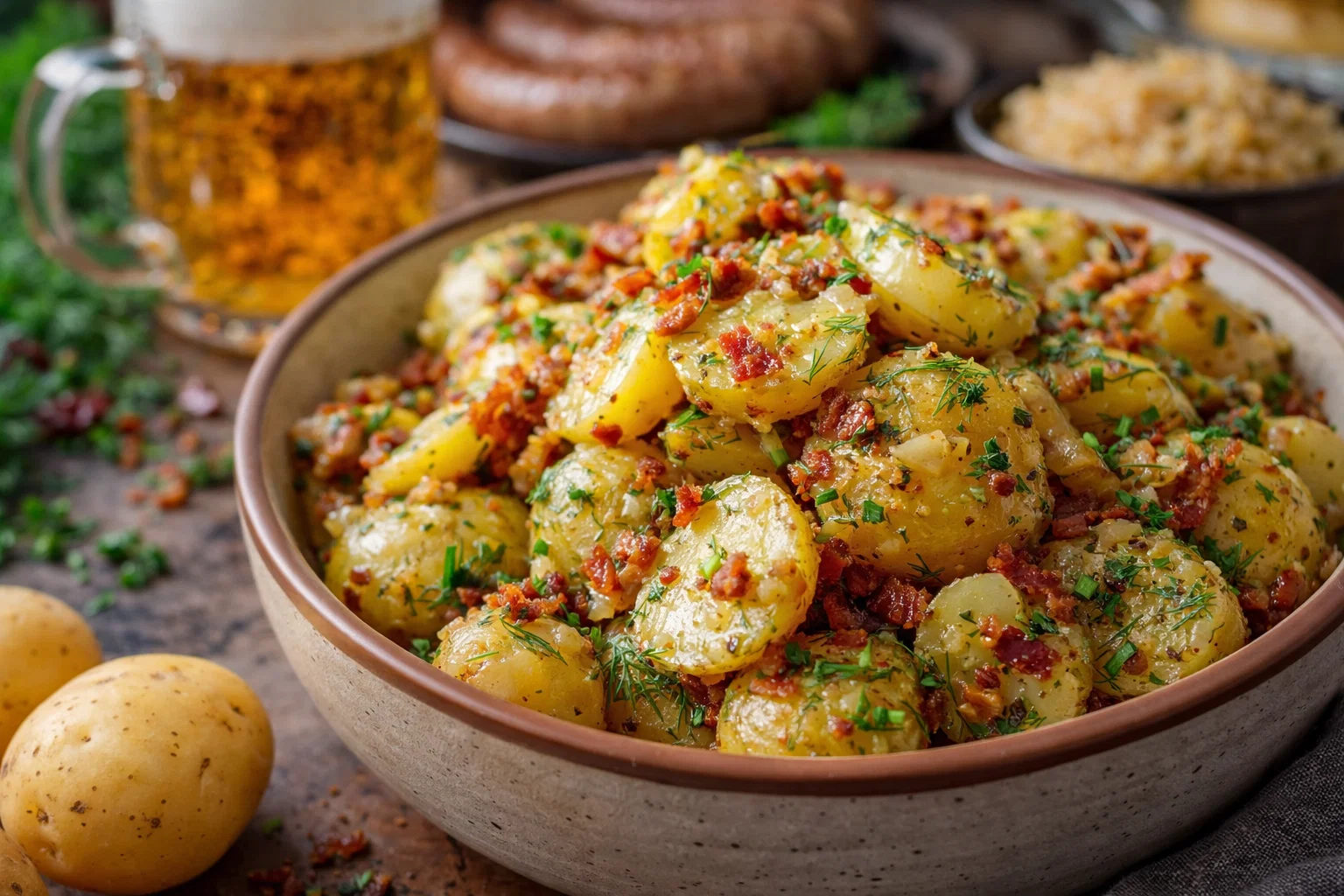
  • I CanT Stop Making This Traditional German Side Dish

    I CanT Stop Making This Traditional German Side Dish

    I Can’T Stop Making This Traditional German Side Dish: A Tropical Delight

    Introduction to I Can’T Stop Making This Traditional German Side Dish

    If you are searching for an easy addition to your dinner recipes that is both authentic and delicious, look no further than this classic German side dish. With its tantalizing flavor and simple preparation, this dish is an excellent choice for home cooks of all skill levels. Whether you’re a busy parent looking for a quick meal solution, a student on a budget, or a seasoned chef seeking to wow your guests, this traditional German side dish is versatile and satisfying.

    Not only is it easy to make, but it also boasts several health benefits. Packed with wholesome ingredients, this recipe can be effortlessly adapted to suit various dietary needs. Whether you’re vegan, gluten-free, or simply seeking a healthier option, this dish can be customized without sacrificing flavor. It’s also perfect for various occasions, from casual family dinners to festive gatherings.

    In the following sections, we will delve into the benefits of making this delightful side dish, provide a comprehensive list of ingredients, and guide you step by step through the cooking process. Get ready to discover a culinary gem that you won’t be able to resist making over and over again!

    Benefits and Advantages of I Can’T Stop Making This Traditional German Side Dish

    Let’s explore what makes this German side dish a standout in the world of dinner recipes. First and foremost, its simplicity is a significant advantage. With just a handful of ingredients, you can create a tasty accompaniment that complements various main dishes—be it roasted meat, grilled vegetables, or even a hearty plant-based entrée.

    Health Benefits

    In addition to its ease of preparation, this side dish is incredibly nutritious. Here are some key health benefits:

    • Rich in Nutrients: The primary ingredients are often vegetables and herbs rich in vitamins, minerals, and fiber, supporting a balanced diet.
    • Low in Calories: When prepared using fresh, minimally processed ingredients, this dish is relatively low in calories, making it suitable for those who are calorie-conscious.
    • Customizable Nutrition: With the option to use gluten-free grains, low-fat dairy, or plant-based proteins, you can easily adapt this dish to align with your dietary preferences.

    Versatility

    One of the most exciting aspects of this traditional German side dish is its versatility. It pairs beautifully with a wide array of main courses, making it perfect for any occasion. Whether you’re preparing a festive holiday meal or a quick weeknight dinner, this dish will elevate your table. Moreover, it’s equally delightful served warm or cold, allowing for creative leftovers the next day.

    As you can see, the benefits of this traditional German side dish extend beyond its delicious taste. Its simplicity, health benefits, and adaptability are just a few reasons why it deserves a place in your kitchen repertoire.

    Ingredients Overview

    Essential Ingredients for I Can’T Stop Making This Traditional German Side Dish

    To prepare this traditional German side dish, you’ll need the following ingredients. Each ingredient plays a specific role for flavor and texture:

    1. Potatoes (2 lbs)
    2. Base of the dish, provides starchiness and comfort.
    3. Option: Sweet potatoes for extra nutrition (gluten-free, vegan).

    4. Onion (1 medium, diced)

    5. Adds depth and sweetness.
    6. Option: Use shallots for a subtler flavor.

    7. Vegetable Broth (2 cups)

    8. Enhances flavor while keeping the dish moist.
    9. Option: Low-sodium broth for a healthier option (vegan, gluten-free).

    10. Olive Oil (1/4 cup)

    11. For sautéing the vegetables and enriching flavor.
    12. Option: Avocado oil for a high smoke point (vegan, gluten-free).

    13. Fresh Parsley (1/4 cup, chopped)

    14. Brightens the dish with its fresh flavor.
    15. Option: Use green onions for a milder taste.

    16. Salt and Pepper (to taste)

    17. Essential seasonings to enhance flavors.

    By selecting fresh, high-quality ingredients, you can create a dish that’s not only satisfying but also bursting with vibrant flavors.

    Dietary Substitutions to Customize Your I Can’T Stop Making This Traditional German Side Dish

    This recipe is incredibly adaptable, allowing for various substitutions based on dietary requirements or ingredient availability:

    • Vegan Option: Replace vegetable broth with a vegan-friendly version. Ensure any cheese used is plant-based.
    • Gluten-Free Option: This dish is naturally gluten-free as it primarily uses vegetables and broth.
    • Low-Calorie Option: Use less oil, or substitute with a cooking spray to reduce calorie intake while still achieving that perfect sauté.

    Considering these substitutions ensures that everyone can enjoy this delightful side dish, no matter their dietary restrictions.

    How to Prepare the Perfect I Can’T Stop Making This Traditional German Side Dish: Step-by-Step Guide

    Now that we’ve covered the ingredients and their benefits, let’s dive into the step-by-step process for preparing this traditional German side dish. Follow these clear instructions for an easy cooking experience:

    1. Prepare the Base:
    2. Begin by peeling the potatoes and cutting them into small, even-sized cubes. This will ensure they cook uniformly. Rinse the cubed potatoes under cold water to remove excess starch.

    3. Sauté the Onion:

    4. In a large skillet or pot, heat the olive oil over medium heat. Add the diced onion and sauté for about 5 minutes until translucent and slightly golden.

    5. Cook the Potatoes:

    6. Add the cubed potatoes to the skillet. Stir well to coat them in the oil. Sauté for another 5-7 minutes, allowing the potatoes to slightly brown. This technique enhances their flavor.

    7. Add the Broth:

    8. Pour in the vegetable broth, bringing the mixture to a gentle boil. Reduce the heat to low and cover the skillet. Allow the potatoes to simmer for about 15-20 minutes, or until they are fork-tender.

    9. Season the Dish:

    10. Once the potatoes are cooked, season with salt and pepper according to your taste. It’s essential to taste as you go!

    11. Incorporate Fresh Herbs:

    12. Stir in the chopped parsley, mixing thoroughly to distribute the fresh flavor throughout the dish.

    13. Final Touches:

    14. If desired, you can sprinkle additional herbs or a squeeze of lemon juice for brightness before serving.

    15. Serve and Enjoy:

    16. Serve warm alongside your favorite main dishes, and enjoy the delightful flavors of this traditional German side dish.

    This recipe not only provides a delicious side option but also serves as a base for creativity. You can add your favorite vegetables or proteins to make it even more wholesome.

    Mastering I Can’T Stop Making This Traditional German Side Dish: Advanced Tips and Variations

    To elevate your experience with this traditional German side dish, consider these advanced tips and exciting variations:

    • Experiment with Spices:
      Incorporate spices like smoked paprika or nutmeg for added depth. A touch of garlic can also elevate the overall flavor profile.

    • Add Protein:
      For a heartier meal, consider mixing in cooked sausages or chickpeas. This addition makes the dish more filling and turns it into a complete dinner option.

    • Herbed Variations:
      Switch out parsley for dill or chives to give it a fresh twist on the traditional flavor. Experimenting with different herbs can reinvigorate the dish each time you prepare it.

    • Texture Additions:
      Try garnishing with toasted nuts or seeds like sunflower seeds or almonds for a satisfying crunch. This addition also introduces healthy fats and protein.

    Maximizing your enjoyment of this dish can lead to creating new family favorites, making it an exciting culinary adventure.

    How to Store I Can’T Stop Making This Traditional German Side Dish: Best Practices

    Proper storage can help you maximize the lifespan and flavor of this traditional German side dish. Here are the best practices for refrigeration and reheating:

    • Refrigeration:
      After cooking, allow the dish to cool to room temperature. Transfer it into an airtight container and store it in the refrigerator for up to 3-5 days. Keeping the dish sealed prevents moisture loss and flavor evaporation.

    • Freezing:
      If you wish to make this ahead of time, you can freeze it. Place the cooled dish into freezer-safe containers, leaving about an inch of space at the top for expansion. This dish can be frozen for up to 2-3 months.

    • Reheating:
      When you’re ready to eat, thaw the frozen dish overnight in the refrigerator. Reheat it gently on the stove over low heat, adding a splash of vegetable broth or water if it seems dry. You can also reheat portions in the microwave, ensuring even heating.

    Following these storage practices ensures that you enjoy the dish with all its delicious flavors intact.

    Nutritional Value of I Can’T Stop Making This Traditional German Side Dish

    Understanding the nutritional value of your meals is crucial for maintaining a balanced diet. Here’s a breakdown of the nutrition per serving of this delightful traditional German side dish (estimated for four servings):

    • Calories: 180
    • Protein: 4g
    • Fat: 7g (Saturated Fat: 1g)
    • Carbohydrates: 27g
    • Fiber: 4g
    • Sugars: 1g
    • Sodium: 150mg (varies based on the broth used)

    This dish is not only a great accompaniment to your meals but also provides essential nutrients to support your health and well-being.

    FAQs: Frequently Asked Questions About I Can’T Stop Making This Traditional German Side Dish

    Q1: Can I customize the vegetables in this dish?

    Absolutely! You can incorporate seasonal vegetables like carrots, green beans, or kale for extra nutrition and flavor.

    Q2: How do I make it vegan?

    To ensure this dish aligns with vegan requirements, simply use vegetable broth and omit any dairy ingredients.

    Q3: Can I make this dish ahead of time?

    Yes, this dish can be prepared in advance. Just store it properly in the refrigerator or freezer, as previously mentioned.

    Q4: What main dishes pair well with this side?

    This traditional German side dish pairs well with grilled meats, roasted vegetables, and any hearty main courses like sausages or pot roasts.

    Q5: Is there a quick method to prepare this side dish?

    If you’re pressed for time, you can use pre-cut vegetables and store-bought broth to significantly reduce prep time.

    This traditional German side dish is sure to become a staple in your dinner recipes collection. Whether enjoyed fresh or as leftovers, it’s a comforting, delightful addition to any meal. Happy cooking!

  • Spiced Carrot Cake Jam

    Spiced Carrot Cake Jam

    Spiced Carrot Cake Jam: A Tropical Delight

    Introduction to Spiced Carrot Cake Jam

    Are you ready to embark on a culinary journey that harmonizes the warmth of baking with the delightful spreadability of jam? Look no further than this Spiced Carrot Cake Jam, a unique twist on traditional dessert recipes that captivates your taste buds while also offering a plethora of health benefits. With its harmonious blend of spices and the natural sweetness of carrots, this jam not only serves as an outstanding topping but also stands out as a wholesome dessert alternative.

    This recipe is remarkable for several reasons. First and foremost, its preparation is incredibly straightforward, making it ideal for busy parents, students, or anyone who wishes to whip up something delicious without delving into complex baking techniques. Additionally, it caters to various dietary needs—being naturally vegan, gluten-free, and low-calorie, it bridges dietary preferences while still providing comfort and flavor.

    Imagine spreading this spiced jam on your morning toast, dolloping it on pancakes, or using it as a unique filling for pastries. Versatile and delightful, Spiced Carrot Cake Jam makes every meal feel special. Not only does it add a tropical touch to your breakfast, but it serves as a vibrant companion for cheese platters and enhances desserts with that needed zing.

    If you’re looking for an innovative addition to your repertoire of dessert recipes or a healthy, tasty gift for loved ones, this jam is the perfect choice. Ready to dive into the world of wholesome indulgence? Let’s begin!

    Benefits and Advantages of Spiced Carrot Cake Jam

    Spiced Carrot Cake Jam is much more than just a delicious spread; it offers a variety of benefits that make it an essential addition to your kitchen. Here’s why you should consider incorporating this delightful recipe into your culinary creations.

    1. Easy Preparation

    One of the primary advantages of making Spiced Carrot Cake Jam is its simplicity. Even if you’re new to jam-making, you’ll find that the process is beginner-friendly. The ingredients are generally easy to find, and the steps are straightforward, which makes it a great project for busy parents looking to involve kids in the kitchen or for students preparing quick snacks.

    2. Health Benefits

    Carrots are not only naturally sweet but also packed with essential nutrients. They are a fantastic source of beta-carotene, fiber, vitamin K1, potassium, and antioxidants. This jam allows you to leverage the nutritional benefits of carrots while enjoying them in a unique form. Additionally, this recipe utilizes minimal sugar compared to traditional jams, providing a healthier alternative. The spices—like cinnamon and nutmeg—also contribute antioxidants and anti-inflammatory properties, making this dessert not just a treat but also a little health boost.

    3. Versatility

    This jam can easily transition across different meals and occasions, making it a versatile dish. Whether you want a sweet topping for breakfast, a flavorful addition to a cheese board, or a dessert filling, this jam fits the bill. You can serve it warm or cold, and it pairs well with various foods, from bagels to ice cream.

    4. Dietary Accommodating

    With the rising demand for inclusive cooking, this Spiced Carrot Cake Jam caters to various dietary requirements. It is vegan, gluten-free, and low in refined sugars, making it suitable for individuals with dietary restrictions or those simply trying to eat healthier. Whether you have family members with allergies or are simply conscious of what you’re consuming, this recipe adapts seamlessly.

    5. Gift-Worthy

    In today’s fast-paced world, homemade gifts carry a special sentiment. Spiced Carrot Cake Jam can easily be jarred and decorated, making it not just a treat for you but a thoughtful present for friends and family on special occasions. It showcases both your culinary skills and your consideration for loved ones’ taste preferences.

    By embracing Spiced Carrot Cake Jam in your cooking endeavors, you’re not only treating yourself to an exquisite taste experience but also making a wholesome choice that benefits your overall well-being and that of your family and friends.

    Ingredients Overview

    Essential Ingredients for Spiced Carrot Cake Jam

    To create your own batch of Spiced Carrot Cake Jam, gather the following ingredients:

    • 2 cups finely grated carrots (about 4-5 medium carrots)
    • Benefit: Packed with vitamins and adds natural sweetness.
    • 1 cup granulated sugar (or coconut sugar for a lower glycemic option)
    • Benefit: Acts as a preservative and sweetener.
    • 1/2 cup apple cider
    • Benefit: Adds acidity and depth while being low in calories.
    • 1 tablespoon lemon juice (freshly squeezed)
    • Benefit: Brightens flavors and aids in preservation.
    • 1 teaspoon ground cinnamon
    • Benefit: Known for anti-inflammatory properties.
    • 1/2 teaspoon ground nutmeg
    • Benefit: Enhances the warm flavor profile.
    • 1/4 teaspoon ground allspice
    • Benefit: Provides a unique flavor twist.
    • 1/4 teaspoon ground ginger
    • Benefit: Adds warmth and has digestive properties.
    • 1 tablespoon cornstarch (optional, for thicker jam)
    • Benefit: Helps in gel-forming, does not add calories if omitted.
    • 1/2 cup crushed walnuts or pecans (optional)
    • Benefit: Adds richness and healthy fats.

    Make sure to double-check the labels on your ingredients to ensure they fit any specific dietary needs you or your loved ones might have. Each ingredient contributes to the balance of flavor and nutrition, making this jam not only tasty but also wholesome.

    Dietary Substitutions to Customize Your Spiced Carrot Cake Jam

    Customization can enhance satisfaction, especially when accommodating different dietary preferences:

    • Sugar Alternatives: Substitute granulated sugar for honey, agave nectar, or a sugar substitute like Stevia or monk fruit for a low-sugar version.
    • Gluten-Free Options: Ensure that your cornstarch is certified gluten-free if you choose to use any, as some brands may contain gluten.
    • Nuts: If allergies are a concern, skip the nuts, or replace them with sunflower seeds for crunch without the allergen.
    • Spices: Consider adding a dash of cardamom or cloves for added flavor complexity if you enjoy experimenting with spices.

    Your Spiced Carrot Cake Jam can be tailored to fit your needs, ensuring everyone at the table can indulge in a guilt-free delight that mirrors their dietary requirements.

    How to Prepare the Perfect Spiced Carrot Cake Jam: Step-by-Step Guide

    Now that we’ve gathered all the essential ingredients and considered our dietary preferences, let’s dive into the process of making this delicious jam. Follow these clear, actionable steps to achieve the perfect consistency and flavor for your Spiced Carrot Cake Jam.

    1. Prepare the Carrots:
    2. Begin by washing and peeling 4-5 medium carrots. Finely grate them using a box grater or food processor; ensure you have about 2 cups of grated carrots.

    3. Combine Ingredients in a Pot:

    4. In a medium-sized saucepan, combine the grated carrots, 1 cup of sugar (or sweetener), 1/2 cup of apple cider, 1 tablespoon of freshly squeezed lemon juice, 1 teaspoon of ground cinnamon, 1/2 teaspoon of ground nutmeg, 1/4 teaspoon of ground allspice, and 1/4 teaspoon of ground ginger. This mixture will become the flavorful base for your jam.

    5. Cook the Mixture:

    6. Place the saucepan over medium heat. Stir the ingredients together until the sugar has dissolved completely and the mixture begins to simmer.

    7. Simmer and Stir:

    8. Allow the mixture to simmer for about 10-15 minutes, stirring frequently to prevent sticking. The carrots will soften, and the flavors will meld beautifully.

    9. Thicken the Jam (Optional):

    10. If you prefer a thicker jam, mix 1 tablespoon of cornstarch with a few tablespoons of cold water to create a slurry. Slowly add it to the simmering pot while stirring continuously to avoid lumps. Cook for an additional 3-5 minutes until thickened.

    11. Add Nuts (Optional):

    12. If using crushed walnuts or pecans, fold them in now for added texture and flavor. They will enhance both the taste and visual appeal of your jam.

    13. Select Containers:

    14. Prepare your jars: If you’re planning to store the jam for an extended period, ensure you are using sterilized jars. To sterilize, place the clean jars in a hot oven for about 10 minutes, or boil them in water.

    15. Fill the Jars:

    16. Carefully pour the hot jam into the sterilized jars, leaving about 1/4 inch of headspace at the top.

    17. Seal and Cool:

    18. Seal the jars with lids tightly and let them cool to room temperature. This step helps to create a vacuum seal, which extends the shelf life of your jam.

    19. Store the Jam:

    20. Once cooled, store your Spiced Carrot Cake Jam in the refrigerator for up to three weeks, or follow proper canning procedures for longer preservation.

    Each step in this recipe offers you the chance to alter it based on your taste or dietary requirements. Enjoy the delightful aroma that fills your kitchen as you prepare a batch of this tropical-inspired jam that celebrates the essence of dessert recipes!

    Mastering Spiced Carrot Cake Jam: Advanced Tips and Variations

    Creating an extraordinary Spiced Carrot Cake Jam isn’t just about following the recipe—it’s also about being creative and adapting to personal taste preferences. Here are some advanced tips and exciting variations to elevate your jam-making experience:

    Tips for Success:

    • Use Fresh Ingredients: Always use fresh organic carrots; they are sweeter and have a better texture.
    • Monitor Cooking Time: It’s crucial to pay attention to cooking times. Overcooking may lead to a burnt flavor, while undercooking prevents the flavors from melding well.
    • Taste as You Go: As you cook, don’t hesitate to taste your jam and adjust the spices or sweetness according to your preference.
    • Experiment with Citrus Zest: Adding zest from the lemon or even an orange can give your jam a bright, zesty flavor that complements the spices beautifully.

    Variations to Try:

    • Spiced Carrot Pineapple Jam: Add 1 cup of crushed pineapple to the mix to enhance the tropical aspect, while still maintaining the spiced flavor of the original recipe.
    • Chai-Spiced Carrot Jam: Infuse your jam with chai tea bags—just steep a couple of chai tea bags in the apple cider for about 10 minutes before adding it to the mixture. This will add a delightful depth of flavor.
    • Cream Cheese Jam: For a sweeter dessert, mix the jam with softened cream cheese in a 1:1 ratio to use as a spread for bagels or toast.

    By implementing these advanced tips and unique spins, you can masterfully create a Spiced Carrot Cake Jam that not only satisfies your cravings but also impresses everyone around you!

    How to Store Spiced Carrot Cake Jam: Best Practices

    Proper storage of your Spiced Carrot Cake Jam is essential to ensure it remains fresh and flavorful. Here are the best practices for refrigeration, freezing, and reheating your delicious creation:

    Refrigeration

    Once your jam has cooled, you can store it in the refrigerator for up to three weeks. Make sure to keep it in an airtight container or jar to prevent exposure to air, which can lead to spoilage.

    Freezing

    If you wish to extend the shelf life of your jam, you can freeze it! Here’s how:
    – Choose Freezer-Safe Containers: Use glass or plastic containers designed for freezing. Jam may expand while freezing, so leave some space at the top.
    – Label and Date: Always label your jars with the date and contents to keep track of your jam’s freshness.
    – Defrosting: To use frozen jam, transfer it to the refrigerator to thaw overnight. Avoid microwave thawing, as this can alter the texture.

    Reheating

    Although the jam is best served fresh or at room temperature, if you prefer it warm, you can gently reheat small amounts in the microwave or on the stovetop. Be sure not to overheat, as it can change the consistency and flavor.

    With these effective storage methods, you can enjoy your delicious Spiced Carrot Cake Jam at any time, making it a perfect addition to your pantry!

    Nutritional Value of Spiced Carrot Cake Jam

    Understanding the nutritional value of your Spiced Carrot Cake Jam can enhance the experience of enjoying it without guilt. Below is a general breakdown of the possible nutritional content per serving (1 tablespoon):

    | Nutrient | Amount per Serving |
    |——————–|——————–|
    | Calories | 45-60 |
    | Total Fat | 0-2g |
    | Saturated Fat | 0g |
    | Carbohydrates | 12-15g |
    | Dietary Fiber | 0.5-1g |
    | Sugars | 10-12g |
    | Protein | 0-1g |
    | Vitamin A | 100-150% DV |
    | Vitamin C | 2% DV |
    | Calcium | 0-2% DV |
    | Iron | 0-2% DV |

    Key Nutritional Notes:

    • Carbohydrates and Sugars: While the jam does contain natural and added sugars, it’s lower in sugar than conventional jams, making it a healthier choice.
    • Vitamins: Carrots are rich in vitamin A, which is vital for healthy vision and skin, as well as immune function.
    • Low Fat: The jam is virtually fat-free, making it a light addition to your meals.

    This sweet treat not only serves as a delightful condiment but also provides essential nutrients, aligning perfectly with various health-conscious diets.

    FAQs: Frequently Asked Questions About Spiced Carrot Cake Jam

    1. Can I use pre-grated carrots for this jam?

    Yes, you can, but freshly grated carrots yield a better texture and flavor. Pre-grated carrots may also contain preservatives, affecting the taste.

    2. How can I reduce the sugar content in this recipe?

    You can use natural sweeteners like honey, maple syrup, or stevia to maintain sweetness with fewer calories. You may need to adjust quantities slightly, so start with less and taste as you go.

    3. How do I ensure my jam is properly canned for longer storage?

    Make sure to follow proper canning techniques, including sterilizing jars and lids, using a hot water bath if necessary, and ensuring that the jars are sealed correctly.

    4. Can I use spices other than those listed?

    Definitely! Feel free to experiment with various spices like cardamom, cloves, or lemon zest to customize flavors according to your taste preference.

    5. How long can I store Spiced Carrot Cake Jam?

    When stored in a sealed container in the refrigerator, the jam can last for up to three weeks. If frozen, it can last for about six months.

    6. What can I serve with Spiced Carrot Cake Jam?

    This jam pairs wonderfully with toast, bagels, pancakes, or waffles. It’s also perfect for cheese boards, ice cream, or as a filling for pastries.

    With these answers and insights, you’re now fully equipped to delve into the world of Spiced Carrot Cake Jam. Whether you’re looking to indulge your sweet tooth or impress your guests with homemade delicacies, this jam is the versatile and nutritious choice you’ve been searching for. Enjoy your culinary adventures and the delightful flavors of this unique dessert recipe!

  • Tasty Air Fryer Shrimp Boil

    Tasty Air Fryer Shrimp Boil

    Tasty Air Fryer Shrimp Boil: A Tropical Delight

    Introduction to Tasty Air Fryer Shrimp Boil

    Welcome to your new favorite recipe: Tasty Air Fryer Shrimp Boil! If you’re searching for delectable shrimp recipes, then you’re in for a treat. This dish effortlessly combines the rich flavors of shrimp with aromatic spices, bringing the taste of the tropics right into your kitchen. Imagine sizzling shrimp perfectly cooked in a matter of minutes, making it an ideal choice for busy weekdays, impromptu gatherings, or cozy meal prep for the week ahead.

    Not only is this shrimp boil quick to prepare, but it is also incredibly healthy. Packed with lean protein, low in calories, and customizable to meet various dietary needs, this shrimp recipe is suitable for everyone, including busy parents, students, and health-conscious individuals. It’s perfect for those who prefer gluten-free or low-carb options, as it caters to a wide range of palates and dietary restrictions.

    In just a few simple steps, you can whip up a restaurant-quality dish that boasts bold flavors and colorful ingredients. Whether you’re a cooking novice or a seasoned pro, the Tasty Air Fryer Shrimp Boil is a dish that inspires creativity in the kitchen. So grab your air fryer and get ready to make a delightful, nutritious meal that will impress your family and friends!

    Benefits and Advantages of Tasty Air Fryer Shrimp Boil

    The Tasty Air Fryer Shrimp Boil stands out not only for its simplicity but also for its myriad of health benefits. Let’s dive into why this recipe deserves a spot in your culinary repertoire.

    Ease of Preparation

    One of the most significant advantages of cooking shrimp in an air fryer is the ease of preparation. There’s no need to deal with steamy pots and pans; simply combine your ingredients, toss them into the air fryer, and let it do the work while you relax or prepare your side dishes. This makes it a fantastic option for busy parents, working professionals, or anyone short on time.

    Health Benefits

    Using fresh shrimp not only elevates taste but also enhances health benefits. Shrimp is naturally low in calorie content and high in protein, making it a great choice for those looking to maintain a balanced diet. Additionally, the air frying process reduces the need for excessive oils and fats, keeping your meal light yet satisfying.

    Diverse Dietary Options

    This shrimp recipe is incredibly versatile and adaptable. Whether you’re vegan, gluten-free, or following a specific nutritional plan, this recipe can be customized just for you. By incorporating seasonal vegetables and spices, you can modify it to match your dietary preferences without sacrificing flavor.

    In summary, the Tasty Air Fryer Shrimp Boil combines ease, healthfulness, and versatility. It’s no wonder this dish is gaining recognition among home cooks, food enthusiasts, and those who value nutritious, delicious meals. You’ll find your family asking for this delightful recipe time and again!

    Ingredients Overview

    Essential Ingredients for Tasty Air Fryer Shrimp Boil

    To create your Tasty Air Fryer Shrimp Boil, you’ll need the following ingredients:

    • 1 pound large shrimp (peeled and deveined): Shrimp serves as the star of this shrimp recipe, providing protein and essential nutrients.
    • 2 cups baby potatoes: These tender potatoes add heartiness to the dish. You can use small red or yellow potatoes.
    • 1 cup corn on the cob (cut into 1-inch pieces): Corn contributes sweetness and texture.
    • 3 tablespoons olive oil: This healthy fat enhances flavor and helps with browning.
    • 1 tablespoon Old Bay seasoning: A blend of spices that brings classic seafood flavors to your boil.
    • 1 teaspoon garlic powder: Adds an aromatic element to the dish.
    • Salt and pepper, to taste: Essential for balancing flavors.

    Optional Ingredients

    • Fresh parsley for garnish: This adds freshness and color.
    • Lemon wedges: Serve on the side for that zesty finish.

    For dietary-conscious readers, all listed ingredients can support various diets, such as paleo, gluten-free, and low-calorie meal plans.

    Dietary Substitutions to Customize Your Tasty Air Fryer Shrimp Boil

    Customization is vital when preparing meals, especially for those with dietary restrictions. Here are some thoughtful substitutions to cater to everyone:

    1. For Vegans: Replace shrimp with tofu or chickpeas. This substitution keeps your dish protein-packed while keeping it plant-based. Consider marinating the tofu in a similar spice blend to maintain flavor.

    2. For a Gluten-Free Option: This recipe is inherently gluten-free, but be sure to check that your seasoning and other ingredients are certified gluten-free.

    3. Low-Carb Alternatives: Swap out the potatoes for cauliflower florets or zucchini slices. This change lowers the carbohydrate content and adds more vegetables to your meal.

    4. Allergy Substitutions: If you have a shellfish allergy, shrimp can be replaced with chicken breast or firm white fish, ensuring that you still get a hearty meal that adheres to your dietary needs.

    By incorporating these substitutions, you empower your guests to enjoy delicious food without worry, allowing the Tasty Air Fryer Shrimp Boil to be universally enjoyed.

    How to Prepare the Perfect Tasty Air Fryer Shrimp Boil: Step-by-Step Guide

    Getting started with your Tasty Air Fryer Shrimp Boil is easier than you might think! Follow these simple steps to achieve succulent shrimp and perfectly cooked vegetables:

    1. Prepare the Base: Start by washing and cutting your baby potatoes into halves. If they are larger, consider quartering them for even cooking.

    2. Season the Potatoes: In a mixing bowl, combine the potatoes with 2 tablespoons of olive oil, Old Bay seasoning, garlic powder, salt, and pepper. Toss thoroughly until all potatoes are well-coated.

    3. Begin Cooking the Potatoes: Preheat your air fryer to 380°F (190°C). Add the seasoned potatoes to the air fryer basket and cook for about 10 minutes. This will give them a head start on cooking.

    4. Prep the Corn: While the potatoes are cooking, take your corn on the cob and cut it into 1-inch segments.

    5. Combine Ingredients: Once the potatoes have cooked for 10 minutes, pull the basket out and add the corn pieces. Give the corn a light drizzle with olive oil and a sprinkle of additional seasoning, if desired.

    6. Air Fry Again: Cook the potatoes and corn together for another 6-8 minutes. They should be tender and lightly crisped.

    7. Add the Shrimp: After the corn and potatoes are done, take the basket out again, and add your peeled and deveined shrimp. Make sure to toss them with the remaining olive oil and any extra seasoning to ensure maximum flavor.

    8. Final Cook: Return the basket to the air fryer and cook for an additional 6-8 minutes, or until the shrimp turns pink and opaque. Avoid overcooking, as shrimp can become rubbery.

    9. Garnish and Serve: Once everything is cooked, carefully remove the basket. Serve your Tasty Air Fryer Shrimp Boil on a large platter, garnished with fresh parsley and lemon wedges.

    Tips for Adaptation

    • Flavor Adjustments: Feel free to experiment with spices! Consider adding cayenne pepper for heat or smoked paprika for a different depth of flavor.
    • Vegetable Varieties: Feel encouraged to add other veggies like bell peppers or asparagus based on what’s in season or available at your local market.

    By following these steps, you will soon be enjoying a delightful, healthful shrimp boil that will melt in your mouth!

    Mastering Tasty Air Fryer Shrimp Boil: Advanced Tips and Variations

    To truly master your Tasty Air Fryer Shrimp Boil, consider these advanced tips and variations that can enhance your cooking experience:

    1. Spice It Up: Try different seasoning blends, such as Cajun or Mediterranean, and give your dish a unique twist. The flavor possibilities are endless!

    2. Add Spice: If you enjoy a kick, mix in some diced jalapeños or a dash of hot sauce before cooking the shrimp.

    3. Experiment with Marinades: Marinate your shrimp briefly in a mixture of lemon juice, garlic, and olive oil for an extra layer of flavor.

    4. Create a Shrimp Boil Pasta: Turn your leftovers into a quick pasta dish. Just toss the shrimp, potatoes, and corn with cooked pasta and a splash of olive oil for a hearty meal.

    5. Explore Sides: Consider serving your shrimp boil with a fresh side salad or coleslaw for a full meal.

    By incorporating these variations and tips, you can elevate your Tasty Air Fryer Shrimp Boil to a new level of deliciousness!

    How to Store Tasty Air Fryer Shrimp Boil: Best Practices

    Proper storage of your Tasty Air Fryer Shrimp Boil ensures leftover enjoyment without compromising flavor or safety. Follow these guidelines:

    • Refrigeration: Allow your shrimp boil to cool to room temperature before placing it in an airtight container. It can be stored in the refrigerator for up to 3 days.

    • Freezing: If you’d like to keep it longer, consider freezing the components (shrimp, potatoes, corn) separately. This way, you can reheat them without diminishing texture. Use freezer-safe bags, and it should be consumed within 1 month.

    • Reheating: To reheat refrigerated shrimp boil, use your air fryer at 350°F (175°C) for about 5-7 minutes, tossing halfway. For frozen leftovers, thaw them overnight in the refrigerator first, then air fry as mentioned.

    With these best practices, you can enjoy your shrimp recipes even days after preparation without sacrificing quality!

    Nutritional Value of Tasty Air Fryer Shrimp Boil

    Understanding the nutritional profile of your Tasty Air Fryer Shrimp Boil can help you appreciate its health benefits even further. Here is a general overview of the nutritional content in one serving (assuming a total of four servings):

    • Calories: Approximately 300 calories
    • Protein: 25 grams
    • Total Fat: 10 grams (mostly healthy fats from olive oil)
    • Carbohydrates: 30 grams
    • Dietary Fiber: 5 grams
    • Sodium: 600 mg (depending on your salt usage)

    Nutritional Benefits

    • High Protein: Shrimp provides a substantial amount of protein, vital for muscle growth and repair.
    • Low Calorie: This recipe is designed to be filling while being low in calories, making it an excellent choice for those on weight-loss journeys.
    • Rich in Nutrients: In addition to protein, shrimp offers essential vitamins and minerals such as selenium and vitamin B12. Potatoes and corn contribute important vitamins and fiber to your meal.

    With these impressive nutritional stats, you can confidently serve your Tasty Air Fryer Shrimp Boil to family and friends, knowing that it not only tastes great but is also good for their health!

    FAQs: Frequently Asked Questions About Tasty Air Fryer Shrimp Boil

    Can I Use Frozen Shrimp for This Recipe?

    Yes! Frozen shrimp are perfectly acceptable for this recipe, although you should thaw them in the refrigerator beforehand for better seasoning adherence.

    How Do I Know When Shrimp Is Cooked?

    Shrimp turns pink and opaque when fully cooked, usually taking around 6-8 minutes in the air fryer.

    Can I Substitute Other Vegetables?

    Absolutely! Feel free to add or replace vegetables based on your preferences or what you have available. Bell peppers, zucchini, or asparagus can make excellent additions.

    Is This Recipe Suitable for Meal Prep?

    Yes! This Tasty Air Fryer Shrimp Boil is ideal for meal prep. Just store it in the refrigerator and reheat as desired.

    How Can I Make This Dish Spicy?

    Increase the heat by adding cayenne pepper, red pepper flakes, or hot sauce before cooking the shrimp. Adjust according to your taste.

    Can I Make This Recipe Vegan?

    While shrimp is irreplaceable in a traditional shrimp boil, you can use marinated tofu or chickpeas to make a delicious vegan version.

    By addressing these commonly asked questions, you can help readers navigate through their cooking experiences, ensuring they enjoy the Tasty Air Fryer Shrimp Boil to the fullest.


    Now go ahead and whip up this enticing Tasty Air Fryer Shrimp Boil! Your kitchen will soon be filled with wonderful aromas and flavors that will tantalize your taste buds and those of your loved ones. Happy cooking!

  • Homemade Shrimp Boil With Garlic Butter Sauce

    Homemade Shrimp Boil With Garlic Butter Sauce

    Homemade Shrimp Boil With Garlic Butter Sauce: A Tropical Delight

    Introduction to Homemade Shrimp Boil With Garlic Butter Sauce

    If you’re looking for an exciting way to spice up your dinner routine, look no further than this Homemade Shrimp Boil With Garlic Butter Sauce. This delightful dish effortlessly combines the juicy, succulent flavors of shrimp with an aromatic garlic butter sauce, making it one of the best shrimp recipes you can whip up in your own kitchen. With its straightforward preparation, it’s perfect for busy weeknights or festive gatherings. What’s more, this recipe is a fantastic option for health-conscious individuals, featuring low-calorie ingredients and offering a gluten-free and customizable base that can cater to various dietary needs.

    This shrimp boil not only tantalizes your taste buds but also provides numerous health benefits. Shrimp is a fantastic source of protein, low in calories, and packed with essential nutrients like selenium and vitamin B12. In addition, the garlic butter sauce adds a burst of flavor that complements the shrimp perfectly, turning a simple meal into a five-star experience. Whether you’re a busy parent scrambling to put dinner on the table, a newlywed hoping to impress your spouse, or a seasoned culinary enthusiast eager to learn new techniques, creating a shrimp boil is an enchanting cooking adventure that everyone can enjoy.

    In this article, I’ll guide you through the entire process of preparing this exquisite dish—from the essential ingredients to it being a delightful meal for your friends and family. So, roll up your sleeves and get ready to master one of the most delightful shrimp recipes in your collection!

    Benefits and Advantages of Homemade Shrimp Boil With Garlic Butter Sauce

    One of the standout features of a Homemade Shrimp Boil With Garlic Butter Sauce is its incredible ease of preparation. Unlike complicated recipes that require hours in the kitchen, this dish can be made in under an hour, making it ideal for busy home cooks. The simplicity of boiling and tossing the ingredients together not only saves you time but also minimizes the clean-up process. That means more time to enjoy your meal and less time worrying about the dishes!

    Health-wise, shrimp is a lean protein that is low in calories yet rich in vital nutrients. Each serving provides a hearty dose of omega-3 fatty acids essential for heart health. The garlic and butter in the sauce complement this health profile beautifully. Garlic, known for its antioxidant properties, adds depth to your dish while providing additional health benefits. Even better, you can easily make substitutions for those who may be vegan or require gluten-free options, ensuring everyone can enjoy this succulent shrimp boil.

    In comparison to other seafood recipes, this one stands out for its combination of flavors and textures. The seasonal vegetables, such as corn and potatoes, provide added nutritional value, turning your shrimp boil into a complete meal. Whether served as a crowd-pleaser at a summer barbecue or a cozy dinner at home, this dish is versatile enough to fit any occasion.

    The Homemade Shrimp Boil With Garlic Butter Sauce is not only a culinary marvel but also a social experience. There’s something undeniably fun about gathering around a pot of flavorful shrimp, indulging in good food and even better conversation. With the right recipe in hand, you can create a memorable dining experience that will have your guests raving long after the last bite. Truly, it’s an irresistible option for your dinner rotation!

    Ingredients Overview

    Essential Ingredients for Homemade Shrimp Boil With Garlic Butter Sauce

    Below is a detailed list of all the ingredients you’ll need to create the ideal Homemade Shrimp Boil With Garlic Butter Sauce. Measurements are provided for your convenience, along with a breakdown of the purpose behind each key ingredient.

    • 1 pound of shrimp (medium to large; deveined and peeled): The star of the dish! Provides protein and essential nutrients.

    • 2 tablespoons of olive oil: A heart-healthy fat that adds richness to the sauce.

    • 4 cloves of garlic (minced): Elevates flavors and offers health benefits.

    • 1 stick of unsalted butter (8 tablespoons): Adds richness and a creamy texture to the sauce. For a lighter version, you can use a plant-based butter substitute.

    • 1 lemon (juiced): Adds acidity that balances the richness of the butter and enhances the shrimp flavor.

    • 1 teaspoon of paprika: Provides warmth and color to the dish.

    • 1 teaspoon of smoked paprika: For an added depth of flavor.

    • 1 teaspoon of cayenne pepper: Adds heat. Adjust according to your spice preference.

    • 4 ears of corn (cut into halves): Adds sweetness and texture; use yellow or white corn.

    • 1-2 lbs of small potatoes (halved or quartered): Offer a hearty side and soak up the garlic butter sauce.

    • Fresh parsley (for garnish): Adds a pop of color and freshness to your dish.

    You can easily substitute the ingredients to meet dietary requirements. For example, opting for vegetable broth in place of butter can yield a vegan-friendly version.

    Dietary Substitutions to Customize Your Homemade Shrimp Boil With Garlic Butter Sauce

    This recipe allows for various substitutions to cater to different dietary restrictions or personal preferences:

    • Vegan Option: Instead of shrimp, consider using plant-based shrimp alternatives available at many grocery stores. Use a vegan butter substitute to enhance the flavor of your sauce.

    • Gluten-Free Option: This recipe is naturally gluten-free; however, always check that your seasoning blends do not contain gluten.

    • Low-Calorie Option: Replace butter with a non-fat cooking spray and use less oil. You can also incorporate more vegetables like zucchini or bell peppers for a lower-calorie version while maintaining volume.

    • Spicy Version: Increase the amount of cayenne pepper or even add diced jalapeños to ramp up the heat.

    These substitutions not only ensure that you can cater to various diets but also encourage creativity in the kitchen, allowing you to put your stamp on this classic shrimp boil recipe!

    How to Prepare the Perfect Homemade Shrimp Boil With Garlic Butter Sauce: Step-by-Step Guide

    Now it’s time to dive into the preparation of your Homemade Shrimp Boil With Garlic Butter Sauce. Follow these straightforward instructions for a successful seafood feast.

    1. Prepare the Base: Start by filling a large pot with water and add a generous pinch of salt. Bring it to a boil.

    2. Cook the Potatoes: Once the water is boiling, add the halved or quartered small potatoes. Cook for about 10-15 minutes, or until the potatoes are tender. You can use a fork to check doneness.

    3. Add the Corn: After the potatoes have cooked, add the corn into the pot. Let it cook for another 5-7 minutes until the corn is tender and bright yellow.

    4. Prepare the Shrimp Sauce: While you’re waiting for the potatoes and corn, heat a separate skillet over medium heat. Add olive oil and let it warm up, then add minced garlic. Sauté until fragrant, about 1-2 minutes.

    5. Add the Butter and Seasoning: Once the garlic is fragrant, toss in the stick of unsalted butter. Allow it to melt completely. Afterward, add lemon juice, paprika, smoked paprika, and cayenne pepper. Stir until the mixture is well combined and simmering.

    6. Combine Shrimp with the Sauce: Add the peeled and deveined shrimp to the garlic butter sauce. Cook for about 3-5 minutes or until the shrimp turns pink and opaque. Be careful not to overcook!

    7. Drain the Potatoes and Corn: Once the potatoes and corn are cooked through, drain them in a colander.

    8. Toss Everything Together: In the skillet, toss the drained potatoes and corn with the garlic butter shrimp. Mix everything well until the potatoes and corn are coated with the garlicky goodness.

    9. Garnish and Serve: Chop fresh parsley for garnish. Sprinkle it over the top of your shrimp boil just before serving. This adds a vibrant touch to the dish!

    10. Enjoy Your Meal: Serve hot with extra lemon wedges on the side. Gather around the table and enjoy this crowd-favorite shrimp recipe!

    Adapting the process for various dietary needs is easy. For example, if preparing a vegan version, skip the shrimp and add extra vegetables instead, following the same steps for the rest of the ingredients.

    Mastering Homemade Shrimp Boil With Garlic Butter Sauce: Advanced Tips and Variations

    To elevate your shrimp boil game, consider these advanced tips and variations:

    • Herb Infusion: Before adding the vegetables, you can toss in fresh herbs like oregano or thyme into the boiling water. This infuses an aromatic flavor into the potatoes and corn.

    • Seafood Medley: If you want to diversify your protein, feel free to add mussels, clams, or crab legs to your pot during the last 5 minutes of cooking. This turns a simple shrimp boil into an impressive seafood extravaganza.

    • Make it Spicy: If you and your guests enjoy a kick, add diced jalapeños or a spicier hot sauce to the garlic butter sauce. You can even swap the cayenne for a hotter chili powder.

    • Experiment with Vegetables: Aside from corn and potatoes, feel free to add other vegetables such as green beans, asparagus, or even mushrooms. They will absorb the shrimp’s flavors and enhance your dish.

    • Use a Grill: For an outdoor twist, you can marinate the shrimp in the garlic butter sauce and grill them instead. You can grill the corn and potato packets wrapped in aluminum foil for maximum flavor.

    By exploring these variations and tips, you’ll create a unique dish every time, keeping your shrimp recipes exciting and fresh!

    How to Store Homemade Shrimp Boil With Garlic Butter Sauce: Best Practices

    If you happen to have leftovers after your delicious shrimp boil, storing it properly is essential for maintaining flavor and freshness.

    1. Refrigeration: Allow the shrimp boil to cool to room temperature. Once cooled, transfer it to an airtight container. It can be stored in the refrigerator for up to 3 days.

    2. Freezing: For longer storage, consider freezing your shrimp boil. Be sure to place it in a freezer-safe container or bag. It can last up to 3 months in the freezer.

    3. Reheating: To reheat, thaw in the refrigerator overnight if frozen. Then, gently reheat on the stovetop over low heat. You can add a little bit of extra butter to regain some moisture and flavor.

    Storing and reheating shrimp recipes can sometimes lead to a change in texture. To combat this, avoid microwaving for reheating as it can overcook the shrimp. Instead, use the stovetop method for the best results.

    Nutritional Value of Homemade Shrimp Boil With Garlic Butter Sauce

    Understanding the nutritional profile of your dish can be essential for those who are health-conscious. Here is a breakdown of the average nutritional value per serving (based on a recipe serving 4):

    • Calories: Approximately 350-400 calories
    • Protein: 25g
    • Fat: 20g (primarily healthy fats from butter)
    • Carbohydrates: 30g
    • Fiber: 3g
    • Sodium: Depends on the amount of salt used; aim for low-sodium options.

    This homemade shrimp boil is a great source of protein and healthy fats, while the added vegetables contribute to fiber intake. You can adapt the recipe to fit your nutritional needs, like reducing fat through substitutions or altering portion sizes.

    Always check labels if using store-bought ingredients such as seasoning blends, as sodium content can vary.

    FAQs: Frequently Asked Questions About Homemade Shrimp Boil With Garlic Butter Sauce

    Can I use frozen shrimp for this recipe?

    Yes, frozen shrimp can be used. Just ensure to thaw them fully before cooking to avoid uneven cooking.

    How do I know when the shrimp is fully cooked?

    Shrimp is fully cooked when it turns pink and opaque. It will curl into a C-shape as it cooks.

    Is this recipe suitable for a gluten-free diet?

    Absolutely! This shrimp boil can be made gluten-free. Just make sure all your seasonings are gluten-free.

    Can I make this recipe in advance?

    While the shrimp boil tastes best when freshly made, you can prepare the sauce and vegetables in advance. However, avoid pre-cooking the shrimp until you’re ready to serve for the best flavor.

    What can I serve with my shrimp boil?

    It’s delicious on its own, but you can serve it alongside a simple green salad, crusty bread, or even a refreshing coleslaw.

    By providing clear answers to your questions, we hope to guide your cooking experience and make it smooth. Enjoy crafting this delightful Homemade Shrimp Boil With Garlic Butter Sauce and serve it with pride!


    In this article, you’ve discovered how to create a versatile and delicious Homemade Shrimp Boil With Garlic Butter Sauce—one of the most delightful shrimp recipes around. Whether you choose to keep it classic or make personalized adaptations, it’s sure to be a hit at your dinner table. Happy cooking!