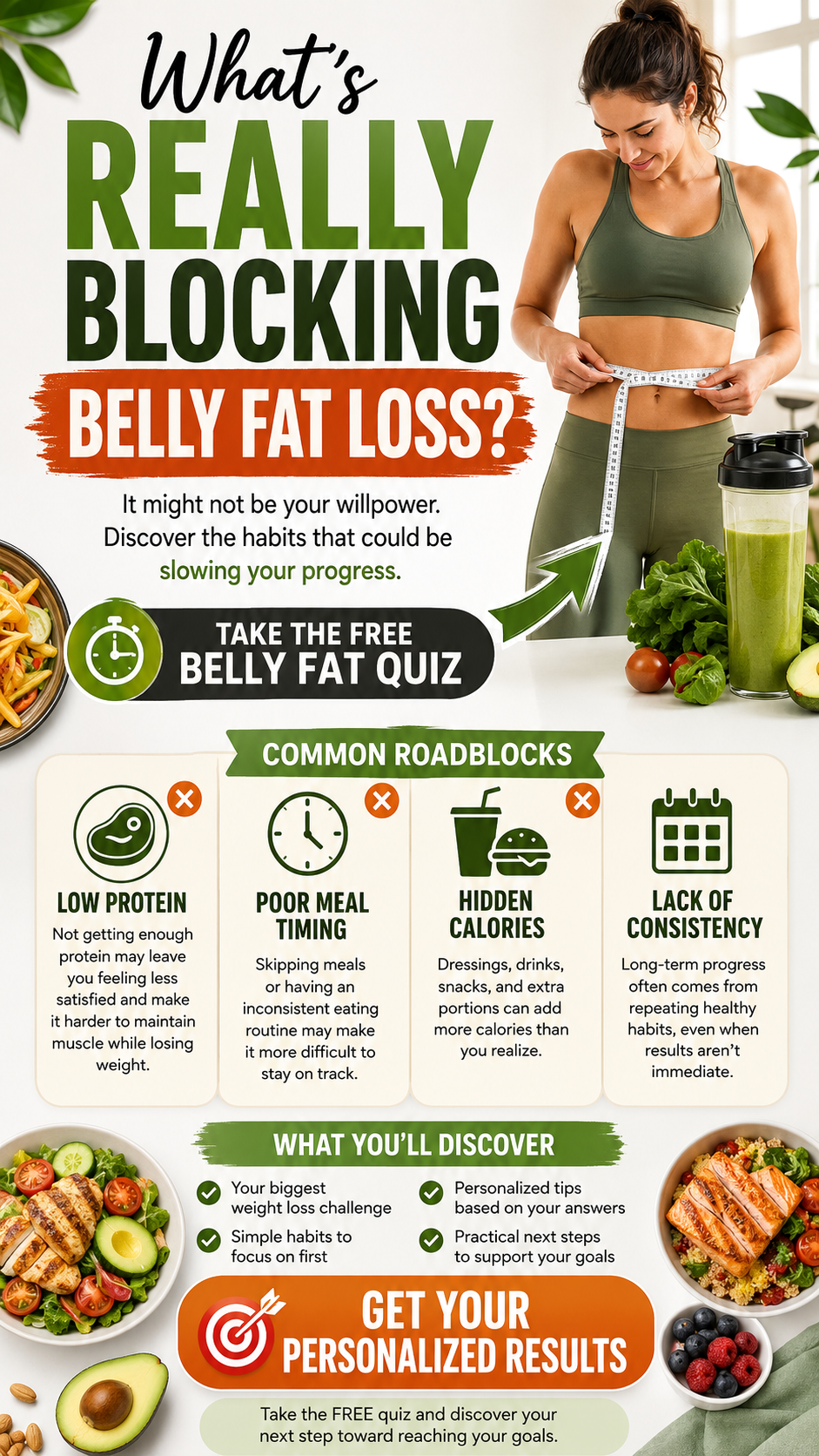
Losing stubborn belly fat is rarely about finding one perfect meal or following a restrictive diet. More often, it comes down to building healthy habits that fit naturally into your daily routine. Nutritious meals, consistent eating patterns, adequate protein, and mindful portion sizes all work together to support long term weight management. Instead of chasing quick fixes, focusing on healthy recipes that fuel your body can help you feel energized, satisfied, and motivated to stay on track.
Healthy eating is not about perfection. Every balanced meal is another opportunity to nourish your body, improve your relationship with food, and create sustainable habits. Whether your goal is reducing belly fat, increasing energy, or simply eating better, the right recipes can make healthy living both enjoyable and realistic.
Key Takeaways
- Choose protein-rich meals to stay full longer.
- Include vegetables and healthy fats in every meal.
- Consistent meal timing can support healthier eating habits.
- Watch hidden calories in drinks, sauces, and snacks.
- Simple recipes are easier to maintain over the long term.
Why Healthy Recipes Matter for Belly Fat Loss
Belly fat is influenced by many factors including nutrition, activity level, sleep quality, stress, and overall lifestyle. While no single recipe can target fat loss in one specific area, eating nutrient-dense meals can help create the calorie balance needed for gradual weight loss while preserving lean muscle.
Important: Healthy recipes should leave you feeling satisfied, not deprived. Meals that combine lean protein, fiber-rich vegetables, whole grains, and healthy fats are generally more filling than highly processed foods, making it easier to maintain healthy eating habits over time.
The Building Blocks of Balanced Meals
A healthy plate is simple when you focus on quality ingredients. Instead of eliminating entire food groups, aim for balance in every meal.
Lean Protein
Protein supports muscle maintenance and helps increase feelings of fullness after meals. Great options include:
- Grilled chicken breast
- Turkey
- Fish and seafood
- Eggs
- Greek yogurt
- Beans and lentils
- Tofu and tempeh
Fiber-Rich Vegetables
Vegetables add volume, vitamins, minerals, and fiber while keeping calories relatively low. Broccoli, spinach, peppers, zucchini, cauliflower, cucumbers, leafy greens, and Brussels sprouts all make excellent choices.
Healthy Fats
Foods such as avocado, nuts, seeds, olive oil, and fatty fish contribute important nutrients while helping meals feel satisfying.
Smart Carbohydrates
Whole grains, sweet potatoes, oats, quinoa, brown rice, and fruit provide lasting energy while supplying valuable fiber and nutrients.
Common Habits That Slow Progress
Sometimes the biggest obstacles are not obvious. Small daily habits can quietly add up over time.
- Skipping meals and becoming overly hungry later.
- Eating too little protein throughout the day.
- Frequently drinking sugary beverages.
- Adding extra sauces and dressings without noticing.
- Inconsistent meal schedules.
- Frequent mindless snacking.
- Poor sleep habits.
Expert Insight
Consistency almost always outperforms perfection. Preparing balanced meals most days of the week is often more effective than following an extremely restrictive diet that becomes difficult to maintain.
Healthy Recipe Ideas That Keep You Satisfied
High Protein Breakfast
Start your morning with scrambled eggs, sautéed spinach, sliced avocado, and fresh berries. This combination provides protein, healthy fats, fiber, and antioxidants to support lasting energy.
Fresh Lunch Bowl
Combine grilled chicken, quinoa, cucumber, cherry tomatoes, broccoli, mixed greens, and a light olive oil vinaigrette for a colorful, filling lunch.
Simple Healthy Dinner
Baked salmon served with roasted broccoli and sweet potato creates a satisfying meal packed with protein, fiber, vitamins, and healthy fats.
Smart Snack Ideas
- Greek yogurt with berries
- Apple slices with natural peanut butter
- Boiled eggs
- Mixed vegetables with hummus
- Handful of almonds
Pro Tip: Preparing healthy snacks in advance helps reduce impulsive food choices during busy days. Keeping nutritious options within easy reach makes healthy eating much simpler.
Meal Timing Can Make Healthy Eating Easier
There is no perfect eating schedule for everyone, but many people benefit from eating regular meals throughout the day. Predictable meal timing can help reduce excessive hunger and make portion control feel more natural.
If your schedule changes often, planning healthy snacks between meals may help prevent overeating later in the day.
Watch Out for Hidden Calories
Even nutritious meals can become calorie dense when large amounts of sauces, sugary drinks, creamy dressings, flavored coffee beverages, or frequent snacking are added without much thought.
Simple swaps can make a noticeable difference:
- Choose water instead of sugary drinks.
- Measure salad dressing instead of pouring freely.
- Use herbs and spices for flavor.
- Limit highly processed snacks.
- Practice mindful portion sizes.
Important: Small adjustments repeated consistently often produce better long term results than dramatic changes that are difficult to maintain. Focus on progress instead of perfection.
Lifestyle Habits That Support Healthy Eating
Stay Hydrated
Drinking enough water throughout the day supports normal body functions and may help you recognize true hunger more accurately.
Get Enough Sleep
Quality sleep supports healthy decision making and overall wellness. Many people find healthy eating easier when they are well rested.
Move Regularly
Walking, strength training, cycling, swimming, or any enjoyable physical activity complements nutritious eating habits and supports overall health.
Plan Ahead
Meal planning, grocery shopping with a list, and preparing ingredients ahead of time reduce the temptation to rely on less nutritious convenience foods.
Quick Points
- Prioritize protein at every meal.
- Fill half your plate with vegetables.
- Choose whole foods whenever possible.
- Stay consistent with meal planning.
- Focus on sustainable habits for lasting success.
Conclusion
Healthy recipes are more than collections of nutritious ingredients. They are practical tools that help build lifelong habits supporting better energy, improved nutrition, and sustainable weight management. By choosing balanced meals, staying consistent with meal timing, limiting hidden calories, and preparing simple recipes you genuinely enjoy, healthy eating becomes easier to maintain.
Remember that meaningful progress happens through small daily decisions rather than dramatic overnight changes. Each balanced meal is another step toward a healthier lifestyle. Focus on consistency, celebrate steady improvements, and continue building habits that fit comfortably into your everyday routine.
Tags
Healthy Recipes Weight Loss Belly Fat High Protein Meals Meal Prep Healthy Eating Nutrition Tips Balanced Diet