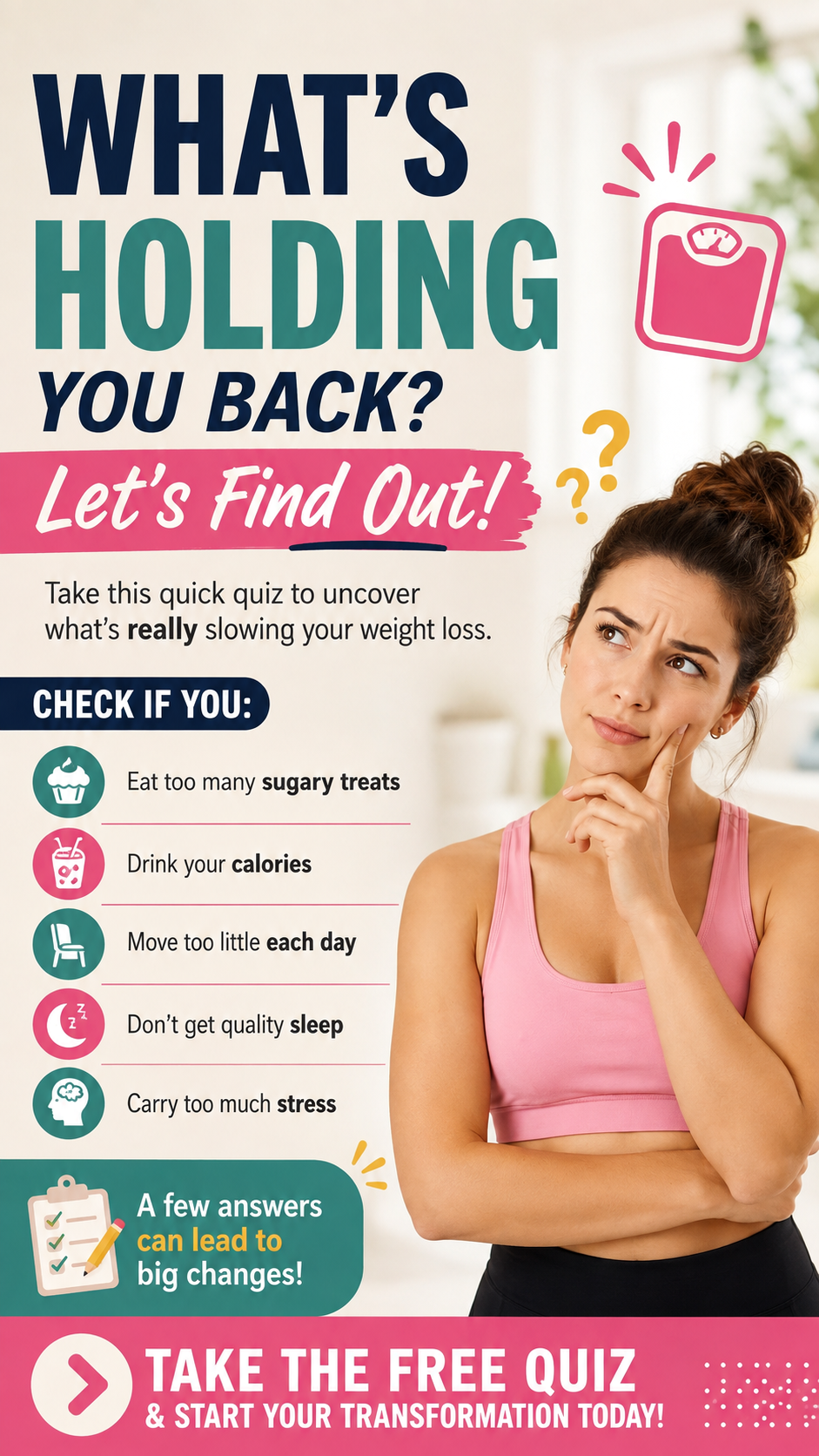
Hitting a plateau on your weight loss journey can feel frustrating, especially when you believe you are doing everything right. Many people turn to healthy recipes expecting quick results, yet progress often slows due to hidden habits and overlooked details. The truth is, eating healthy is only one piece of the puzzle. Understanding how your food choices, portion sizes, and daily routines interact can unlock real, lasting results.
Healthy recipes are powerful tools, but they work best when combined with awareness and consistency. Whether you are trying to lose weight, improve your energy, or simply feel better in your body, small adjustments can make a significant difference over time.
Key Takeaways
- Healthy recipes support weight loss but must align with portion control
- Protein intake plays a key role in satiety and metabolism
- Even healthy foods can lead to overeating if not balanced
- Cravings often signal deeper nutritional or habit gaps
- Simple daily habits can significantly impact results
Why Healthy Recipes Alone Are Not Enough
It is easy to assume that switching to healthy recipes automatically leads to weight loss. While nutritious meals are essential, results depend on how those meals fit into your overall lifestyle. Calories still matter, even when they come from wholesome ingredients.
Important: Many people unknowingly overeat healthy foods like avocados, nuts, and whole grains. These foods are nutritious but calorie-dense, which can slow progress if portions are not managed carefully.
Balance is key. Healthy eating should not feel restrictive, but it should be intentional. Paying attention to how much you eat is just as important as what you eat.
The Role of Protein in Weight Loss
Protein is one of the most important nutrients when it comes to fat loss. It helps preserve muscle mass, keeps you feeling full longer, and supports a healthy metabolism. Many healthy recipes fall short in this area, focusing more on vegetables and carbs while neglecting protein.
How to Increase Protein Intake
- Include lean meats, fish, or plant-based proteins in every meal
- Add protein-rich snacks like Greek yogurt or eggs
- Use protein powders in smoothies for convenience
Pro Tip: Aim to include protein in every meal and snack. This simple habit can reduce cravings and stabilize your energy levels throughout the day.
Overeating “Healthy” Foods
One of the most common mistakes is assuming that healthy foods can be eaten without limits. While they are better choices, they still contribute to your daily calorie intake. Smoothie bowls, salads with heavy dressings, and snack mixes can quickly add up.
Portion awareness is essential. Measuring ingredients, using smaller plates, and eating mindfully can help prevent accidental overeating.
Why This Matters
Weight loss is not about perfection. It is about consistency and awareness. Small excesses repeated daily can slow progress, while small improvements can accelerate it.
Understanding Cravings and How to Manage Them
Cravings are often misunderstood. They are not just about willpower but can be influenced by nutrition, stress, sleep, and habits. Ignoring cravings can sometimes make them stronger, leading to overeating later.
Common Causes of Cravings
- Low protein or unbalanced meals
- Dehydration
- Lack of sleep
- Emotional triggers
Important: Address the root cause of cravings instead of fighting them blindly. Balanced meals and proper hydration can reduce cravings significantly.
The Power of Simple Daily Habits
Healthy recipes are most effective when paired with consistent daily habits. These habits create a structure that supports long-term success rather than short-term results.
Habits That Support Weight Loss
- Eating at regular times each day
- Staying hydrated
- Getting enough sleep
- Tracking meals or progress
Consistency beats intensity. You do not need extreme diets or complicated routines. Small, repeatable actions can lead to meaningful change.
Building Balanced Healthy Recipes
To get the most out of your meals, focus on balance. A well-structured plate includes protein, healthy fats, and fiber-rich carbohydrates. This combination helps regulate hunger and maintain energy levels.
Example of a Balanced Plate
- Grilled chicken or tofu for protein
- Quinoa or brown rice for carbohydrates
- Avocado or olive oil for healthy fats
- Vegetables for fiber and nutrients
Pro Tip: Build your meals around protein first, then add other components. This ensures your meals are satisfying and aligned with your goals.
Mindset and Long-Term Success
Your mindset plays a crucial role in your journey. Focusing only on quick results can lead to frustration, while a long-term perspective encourages patience and consistency. Healthy recipes should feel enjoyable and sustainable, not restrictive.
Celebrate small wins along the way. Progress is not always visible on the scale, but it shows in your energy, confidence, and overall well-being.
At a Glance
- Focus on balanced meals, not just healthy labels
- Prioritize protein for better results
- Watch portion sizes, even with nutritious foods
- Build simple habits that support consistency
Conclusion
Healthy recipes are an essential part of any weight loss plan, but they are not a magic solution on their own. Real progress comes from understanding how your meals, habits, and lifestyle work together. By focusing on balance, portion control, protein intake, and consistent routines, you can overcome plateaus and move closer to your goals.
Keep things simple, stay consistent, and make choices that support your long-term well-being. Small changes today can lead to lasting transformation tomorrow.
Tags
healthy recipes weight loss tips clean eating meal prep ideas nutrition tips healthy habits