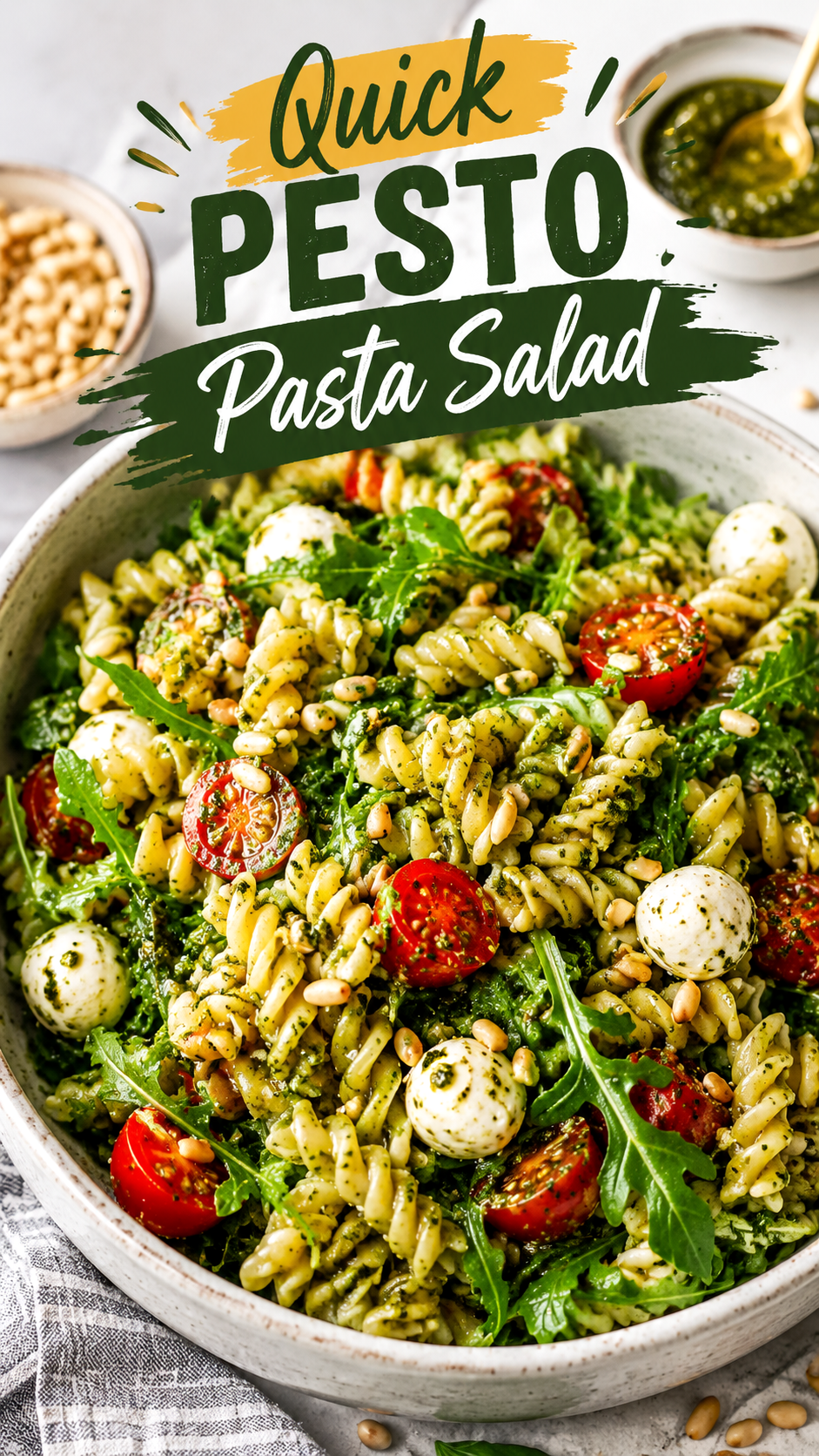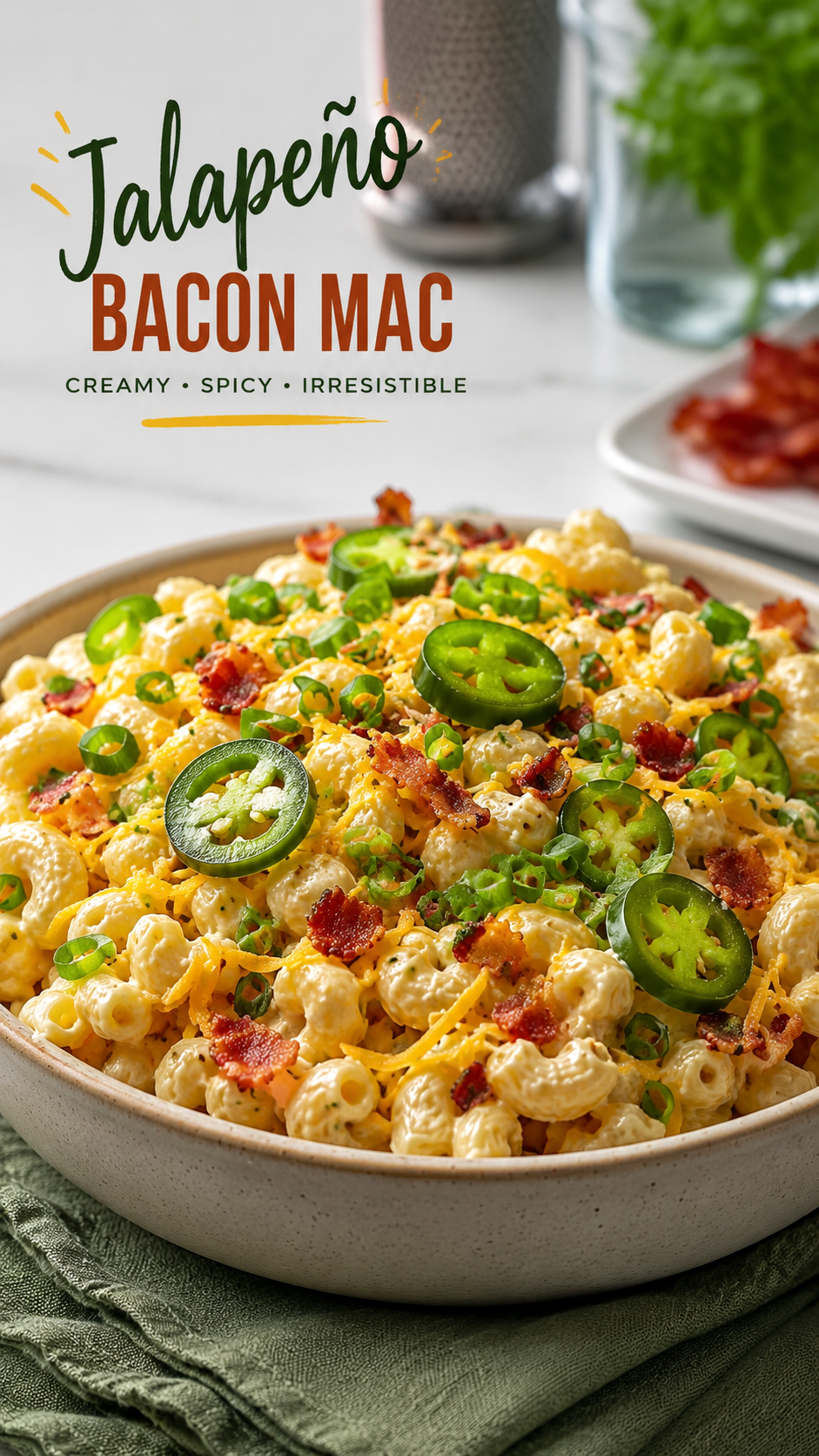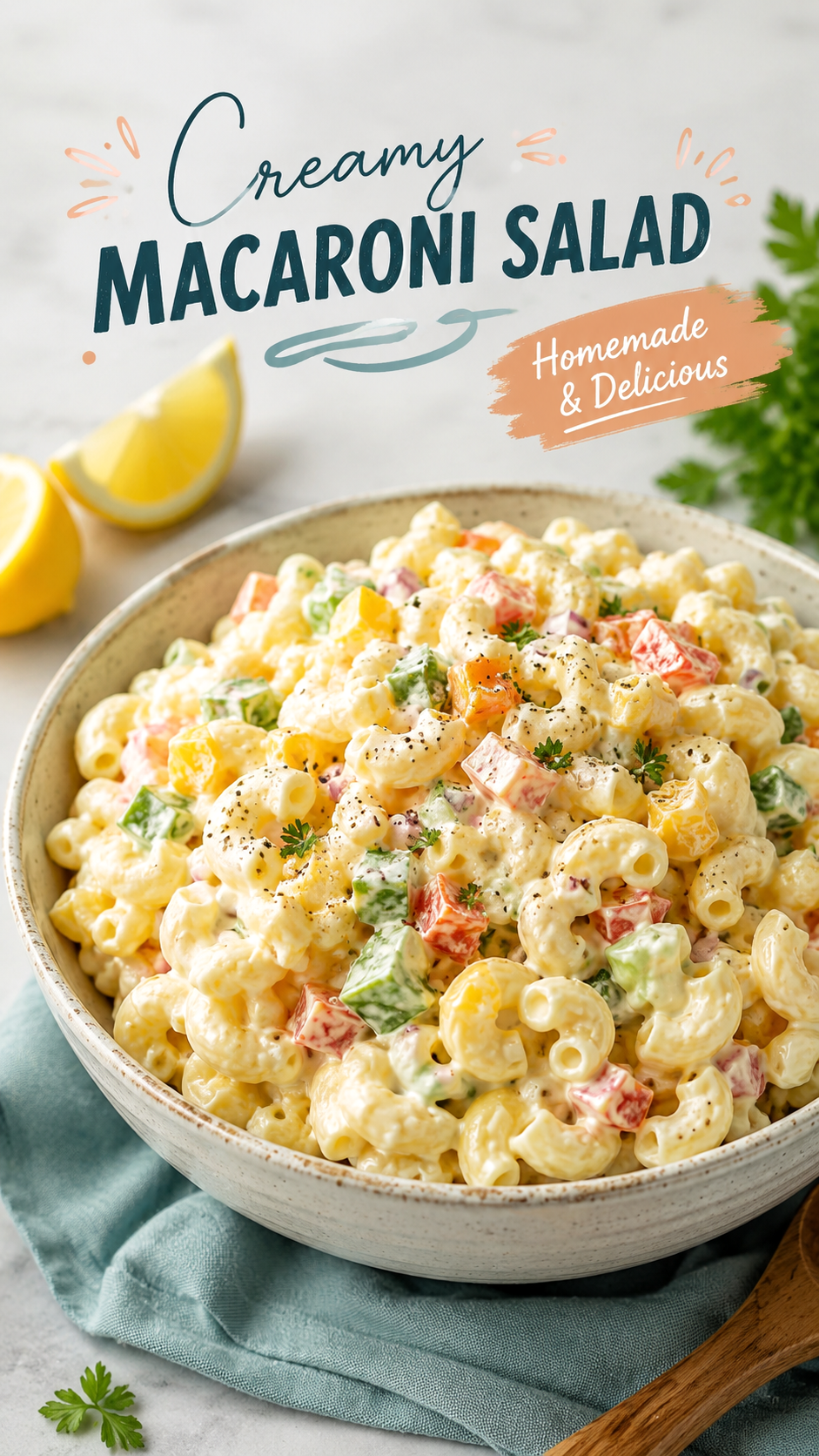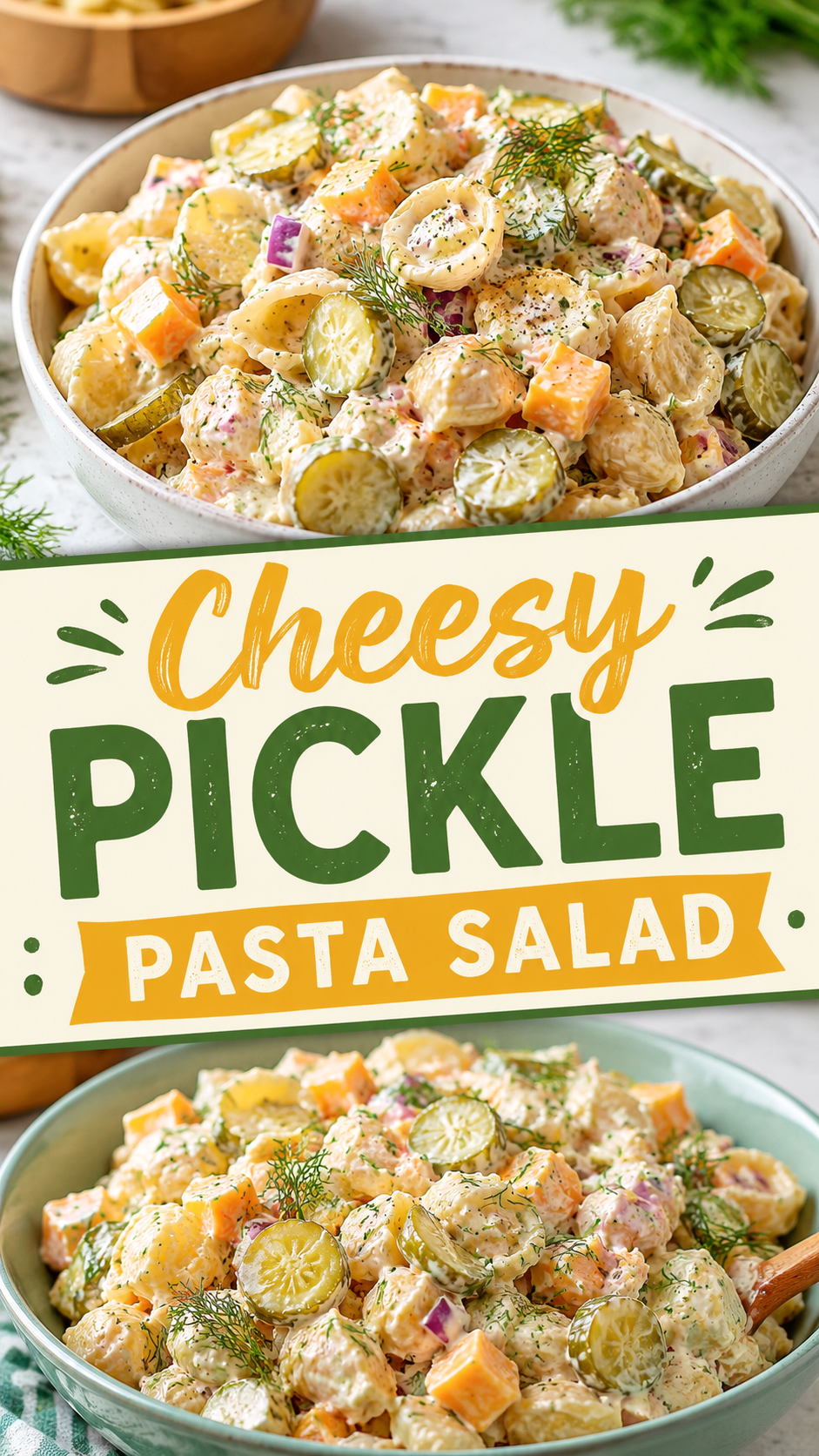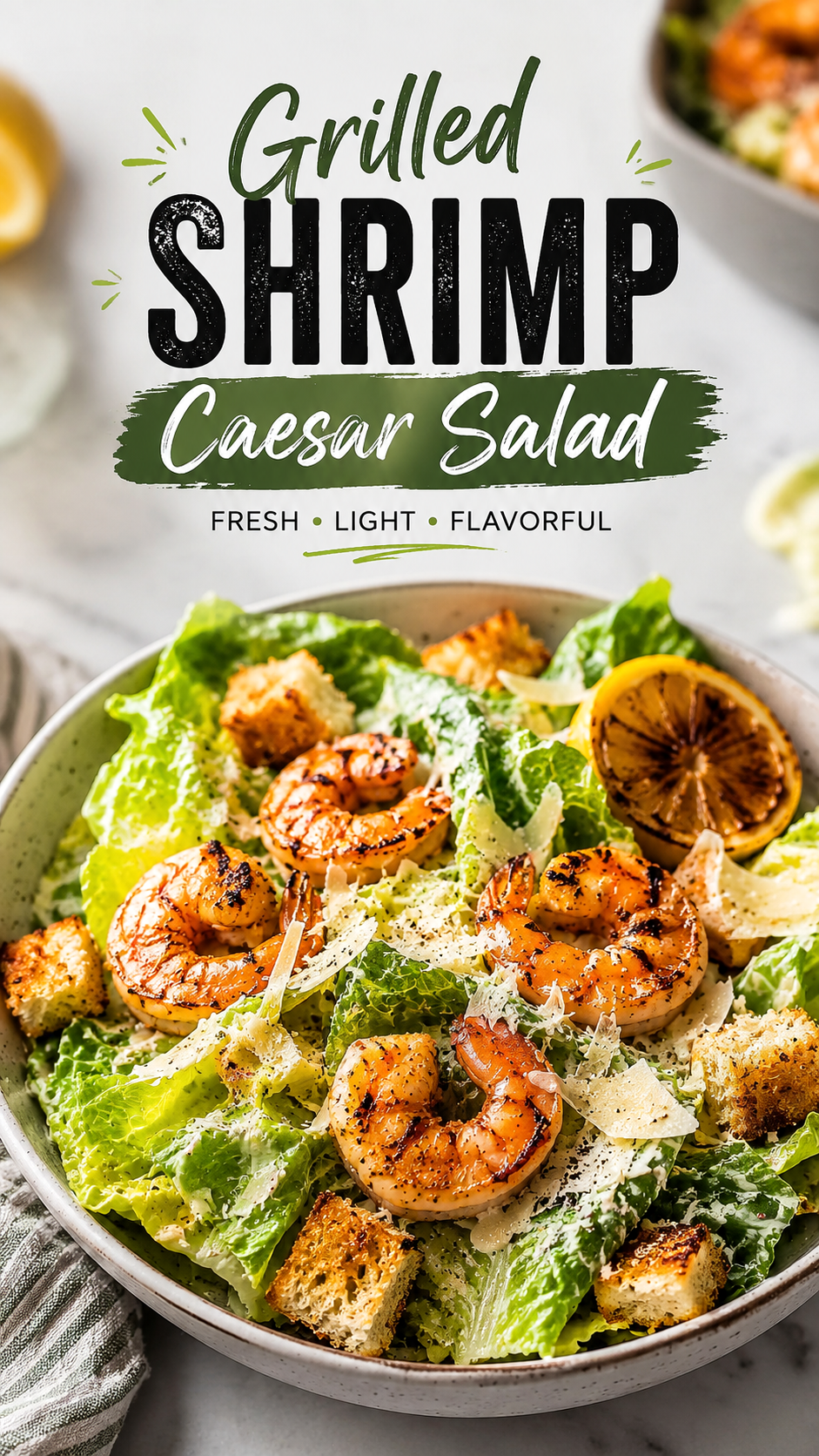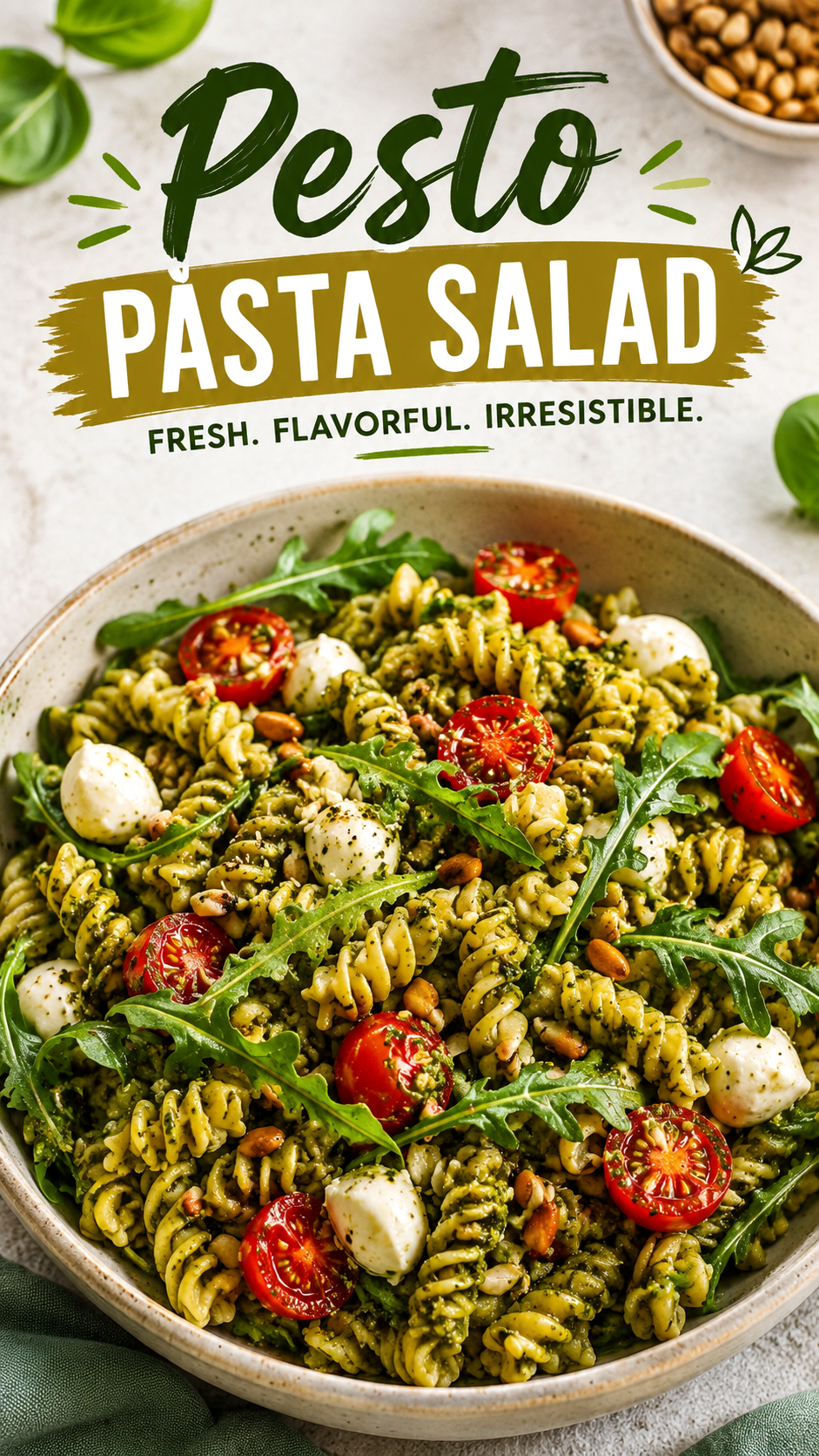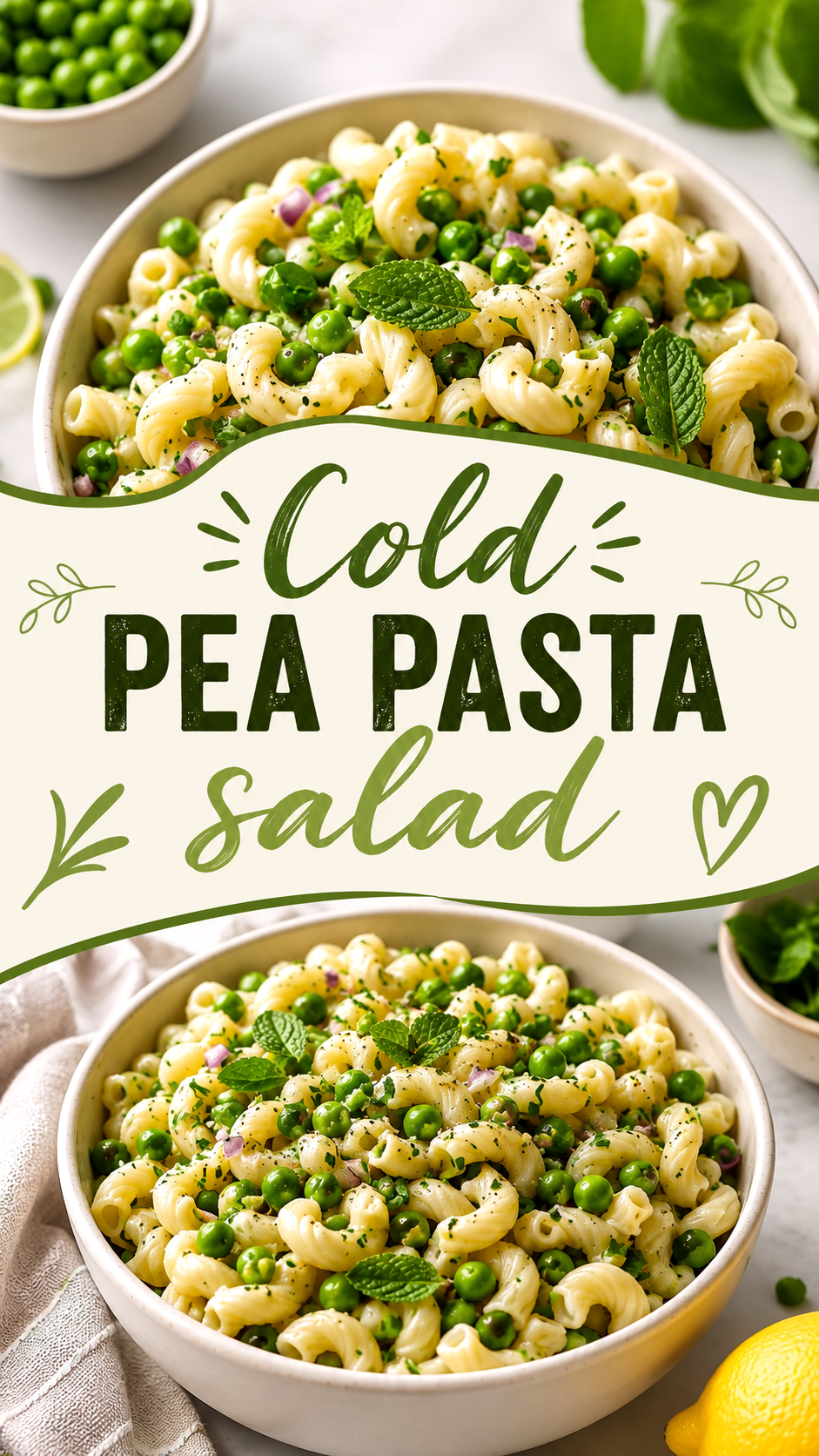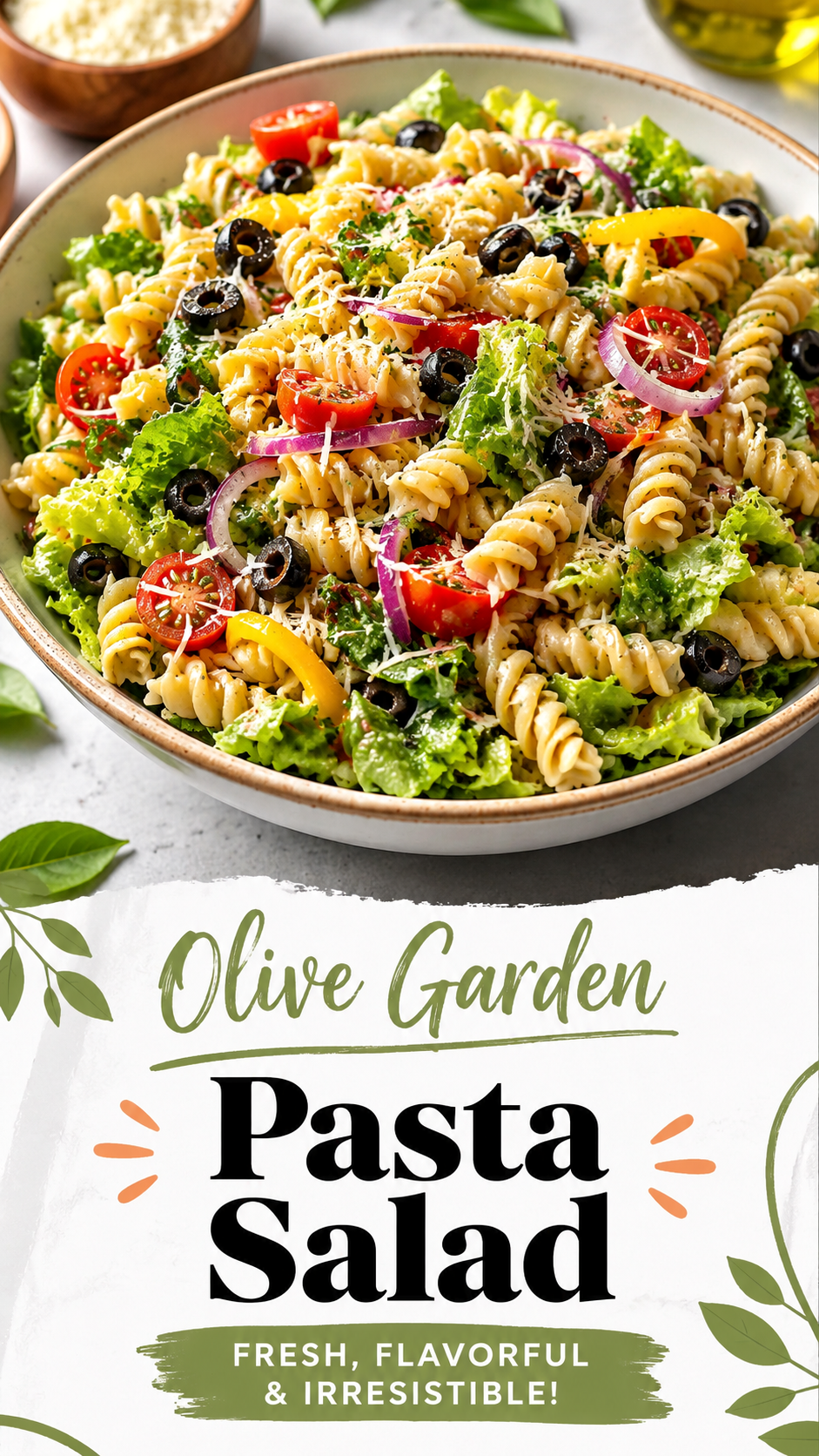
Few dishes capture the essence of fresh, easy, and satisfying meals quite like a vibrant pasta salad. Packed with colorful vegetables, tender rotini pasta, and a light, zesty dressing, this classic favorite is the perfect balance of flavor and convenience. Whether you are preparing a quick weekday lunch, planning a picnic, or hosting a casual gathering, a well-made pasta salad brings both visual appeal and delicious taste to the table.
Key Takeaways
- Perfect for meal prep, picnics, and potlucks
- Combines fresh vegetables with hearty pasta for balance
- Easy to customize with different ingredients and dressings
- Quick to prepare and stores well in the fridge
- Offers a refreshing alternative to heavier pasta dishes
What Makes Pasta Salad So Irresistible
The beauty of pasta salad lies in its simplicity. Tender spiral pasta acts as the perfect base, holding onto every drop of flavorful dressing. Crisp lettuce adds a refreshing crunch, while juicy cherry tomatoes bring a burst of sweetness. Thin slices of red onion add a subtle bite that balances the dish beautifully.
When these ingredients come together, they create a harmony of textures and flavors that feels both light and satisfying. It is this balance that makes pasta salad such a popular choice across seasons and occasions.
Important: The key to a standout pasta salad is balance. Combining crisp vegetables, tender pasta, and a well-seasoned dressing ensures every bite feels fresh and flavorful rather than heavy.
Choosing the Right Ingredients
A great pasta salad starts with quality ingredients. Rotini pasta is especially popular because its spiral shape traps dressing and small bits of vegetables, delivering consistent flavor in every bite. Fresh lettuce adds a light base, while tomatoes provide brightness and natural acidity.
Essential Components
- Pasta: Rotini, fusilli, or penne for best texture
- Vegetables: Lettuce, tomatoes, bell peppers, and onions
- Dressing: Light Italian-style vinaigrette or creamy blend
- Toppings: Grated cheese for added richness
The combination of fresh vegetables and pasta creates a dish that feels both nourishing and indulgent. Adding grated cheese on top enhances the flavor profile, giving the salad a slightly savory finish.
How to Build Flavor Layer by Layer
Creating a memorable pasta salad is all about layering flavors. Start by seasoning the pasta while it is still slightly warm. This allows it to absorb the dressing more effectively. Then, add fresh vegetables to maintain their crunch and vibrant color.
A light drizzle of dressing brings everything together without overpowering the ingredients. The goal is to enhance the natural flavors, not mask them.
Expert Insight
Letting your pasta salad chill for at least 30 minutes before serving allows the flavors to meld together, creating a more cohesive and delicious dish.
Perfect for Every Occasion
One of the biggest advantages of pasta salad is its versatility. It works just as well for a quick weekday lunch as it does for a weekend gathering. Its ability to be prepared in advance makes it ideal for busy schedules and entertaining guests.
Because it can be served cold or at room temperature, pasta salad is also a great choice for outdoor events. It travels well and maintains its flavor, making it a reliable option for picnics, potlucks, and barbecues.
Pro Tip: For the best texture, avoid overdressing the salad at once. Add a small amount initially and refresh with more dressing just before serving.
Customization Ideas to Make It Your Own
Pasta salad is incredibly adaptable. You can easily adjust ingredients based on your preferences or what you have available in your kitchen. This flexibility is part of what makes it such a beloved dish.
Popular Variations
- Add grilled chicken for extra protein
- Include olives or cucumbers for more texture
- Swap in whole wheat pasta for a healthier twist
- Use a creamy dressing for a richer flavor
These small adjustments can transform the dish while keeping its core appeal intact. Whether you prefer something light and fresh or more indulgent, there is a version of pasta salad that fits your taste.
Tips for the Best Texture and Presentation
Texture plays a huge role in the overall experience of pasta salad. Cooking the pasta just until al dente ensures it holds its shape and does not become mushy. Fresh vegetables should be crisp and evenly chopped for consistency.
Presentation is equally important. A colorful mix of ingredients not only enhances flavor but also makes the dish visually appealing. Bright reds, greens, and yellows create an inviting look that encourages people to dig in.
Why This Matters
- Balanced textures keep each bite interesting
- Fresh ingredients enhance both taste and appearance
- Proper preparation prevents soggy or bland results
Storing and Serving Pasta Salad
Pasta salad stores exceptionally well, making it a smart choice for meal prep. Keep it in an airtight container in the refrigerator, and it can stay fresh for several days. Before serving, give it a quick toss and add a bit more dressing if needed to revive the flavors.
Serving chilled enhances its refreshing qualities, especially during warmer months. However, it can also be enjoyed at room temperature, making it versatile for different settings.
At a Glance
- Quick and easy to prepare
- Perfect for meal prep and gatherings
- Customizable with endless variations
- Best served chilled for maximum freshness
Conclusion
Pasta salad remains a timeless favorite for a reason. It combines convenience, flavor, and versatility in a way that few dishes can match. With fresh ingredients, simple preparation, and endless customization options, it is a reliable go-to for any occasion.
Whether you are preparing a quick meal for yourself or sharing with friends and family, a well-crafted pasta salad delivers both satisfaction and simplicity. It is a dish that proves great food does not have to be complicated to be memorable.
Tags
pasta salad easy recipes summer dishes meal prep Italian salad quick meals healthy recipes