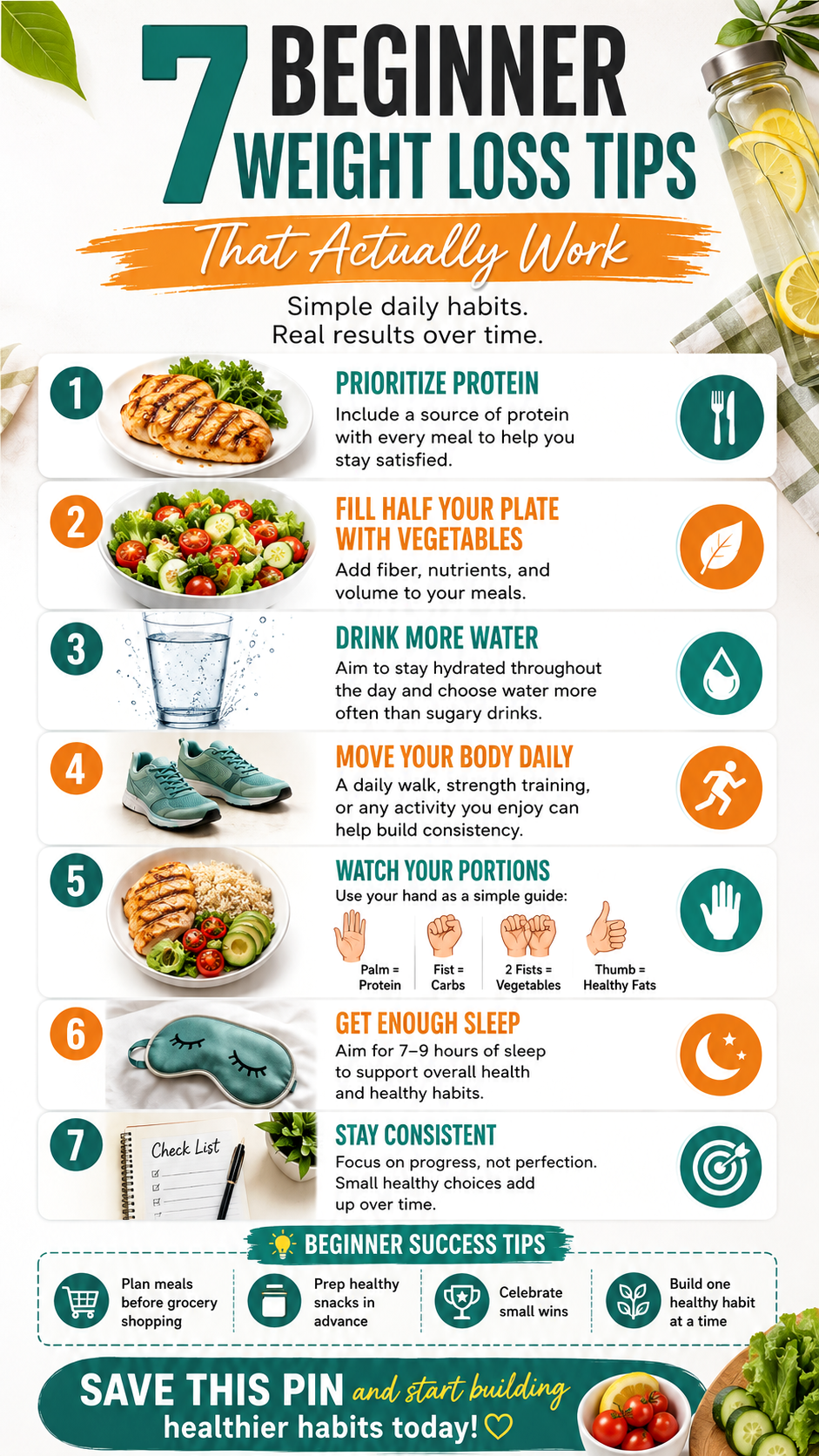
Healthy eating does not have to feel overwhelming. The most effective changes often come from simple daily habits that are easy to maintain over time. Instead of chasing restrictive diets or complicated meal plans, focusing on balanced nutrition, portion awareness, hydration, and consistency creates a sustainable path toward better health. Whether your goal is weight management, increased energy, or simply enjoying more nutritious meals, building healthy habits one step at a time makes lasting success much more achievable.
Key Takeaways
- Choose protein-rich foods with every meal.
- Fill half of your plate with colorful vegetables.
- Drink enough water throughout the day.
- Practice portion control without feeling deprived.
- Stay active and prioritize quality sleep.
- Focus on consistency instead of perfection.
Why Healthy Recipes Matter
Healthy recipes are more than just lower calorie meals. They provide your body with essential nutrients, support energy levels, improve overall wellness, and help create eating habits that can last for years. A balanced meal includes lean protein, vegetables, healthy fats, and wholesome carbohydrates that work together to keep you feeling satisfied.
Important: The healthiest eating plan is one you can consistently follow. Small improvements made every day often produce better long-term results than short periods of extreme dieting.
1. Prioritize Protein at Every Meal
Protein plays a major role in supporting muscle maintenance while helping you stay fuller for longer. Including protein in breakfast, lunch, dinner, and even snacks can reduce unnecessary cravings throughout the day.
Healthy Protein Choices
- Grilled chicken breast
- Turkey
- Eggs
- Greek yogurt
- Beans and lentils
- Fish and seafood
- Tofu and tempeh
- Low-fat cottage cheese
Pair protein with vegetables and whole grains to create meals that provide balanced nutrition without feeling restrictive.
2. Fill Half Your Plate with Vegetables
Vegetables provide vitamins, minerals, antioxidants, and fiber while naturally adding volume to meals. Filling half your plate with colorful vegetables helps control calories without sacrificing satisfaction.
Easy Vegetable Ideas
- Roasted broccoli
- Mixed salads
- Bell peppers
- Carrots
- Spinach
- Green beans
- Cauliflower
- Zucchini
Experiment with herbs, spices, garlic, lemon juice, and healthy cooking methods like roasting or grilling to add flavor naturally.
Expert Insight
Adding vegetables to meals is one of the simplest ways to improve nutrition. Their fiber content helps promote fullness while providing essential nutrients that support overall health.
3. Stay Hydrated Throughout the Day
Water supports nearly every function in the body, including digestion, circulation, temperature regulation, and energy production. Sometimes thirst is mistaken for hunger, making hydration an important part of healthy eating.
Simple Hydration Tips
- Carry a reusable water bottle.
- Drink water before meals.
- Add lemon or cucumber for natural flavor.
- Choose water instead of sugary beverages whenever possible.
Pro Tip: Building the habit of drinking water consistently throughout the day is often easier than trying to drink large amounts all at once.
4. Make Daily Movement Part of Your Routine
Healthy eating works best when combined with regular physical activity. Exercise supports cardiovascular health, strengthens muscles, improves mood, and helps maintain long-term wellness.
Simple Ways to Stay Active
- Take a brisk daily walk.
- Try bodyweight strength exercises.
- Ride a bicycle.
- Stretch every morning.
- Choose activities you genuinely enjoy.
The goal is consistency, not intensity. Even short sessions completed regularly can contribute to a healthier lifestyle.
5. Practice Smarter Portion Control
Healthy recipes can still become excessive if portion sizes continue growing. Learning simple serving guidelines helps maintain balance while allowing you to enjoy a wide variety of foods.
Easy Portion Guide
- Palm sized serving for protein.
- Fist sized serving for carbohydrates.
- Two fists of vegetables.
- Thumb sized serving of healthy fats.
These practical visual references make meal planning easier without constantly measuring every ingredient.
6. Don’t Overlook Quality Sleep
Sleep and nutrition are closely connected. Poor sleep may increase cravings for highly processed foods while reducing energy for meal preparation and physical activity.
Aim for a regular bedtime schedule and create an evening routine that supports restful sleep. Consistent sleep habits can make healthy eating decisions easier the following day.
Important: Nutrition, hydration, exercise, and sleep work together. Improving all four areas gradually creates stronger long-term health habits than focusing on only one.
7. Consistency Beats Perfection
No one eats perfectly every day. A healthy lifestyle is built through repeated positive choices rather than flawless execution. Occasional treats can fit into a balanced eating pattern without undoing progress.
Meal planning, grocery shopping with a list, and preparing healthy snacks ahead of time all reduce decision fatigue during busy weeks.
Meal Prep Ideas
- Cook proteins in batches.
- Wash and chop vegetables ahead of time.
- Prepare overnight oats for breakfast.
- Keep fruit ready for snacks.
- Store healthy leftovers in portion-sized containers.
Healthy Recipe Ideas for Beginners
- Grilled chicken with roasted vegetables.
- Greek yogurt topped with berries and nuts.
- Vegetable omelet with whole grain toast.
- Quinoa salad with colorful vegetables.
- Baked salmon with steamed broccoli.
- Turkey lettuce wraps.
- Lentil soup with a fresh side salad.
- Fruit smoothie made with Greek yogurt and spinach.
Quick Points
- Eat protein with every meal.
- Choose vegetables often.
- Drink plenty of water daily.
- Move your body consistently.
- Focus on progress instead of perfection.
Conclusion
Healthy recipes become even more powerful when they are part of a sustainable lifestyle built around nutritious ingredients, regular movement, proper hydration, mindful portions, quality sleep, and consistent habits. Rather than searching for quick fixes, invest in simple routines that fit naturally into your daily life. Every balanced meal, every glass of water, and every healthy choice contributes to long-term wellness. Start with one habit today, build confidence through consistency, and enjoy the lasting benefits of a healthier lifestyle.
Tags
Healthy Recipes Weight Loss Tips Healthy Eating Meal Prep Balanced Nutrition Healthy Lifestyle Clean Eating Beginner Wellness