I’M Obsessed! Been Making These Deviled Eggs Non-Stop!: A Tropical Delight
Introduction to I’M Obsessed! Been Making These Deviled Eggs Non-Stop!
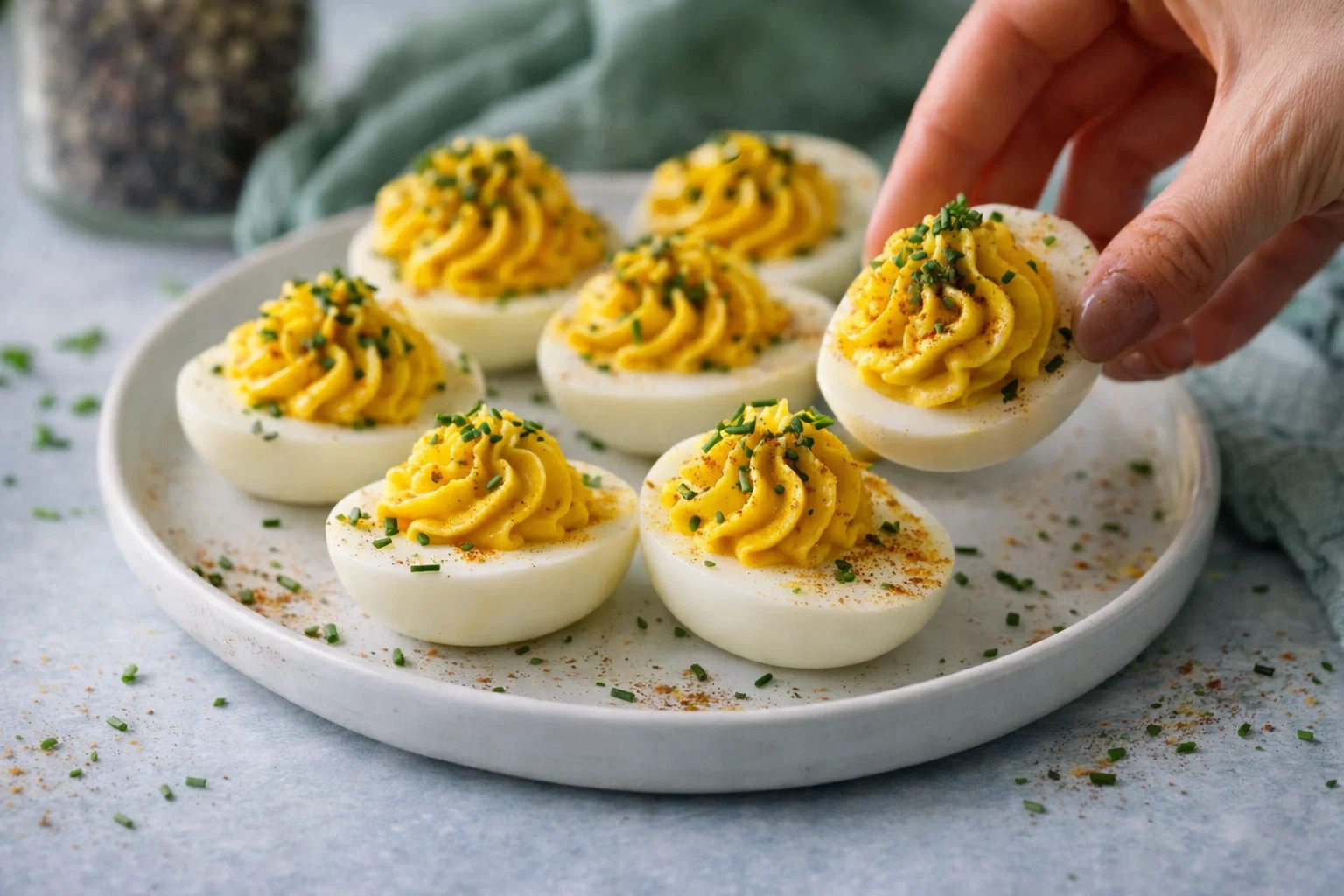
Are you looking for a quick yet impressive dish that will surely delight guests and family alike? Well, search no further! This recipe for deviled eggs is not just any appetizer; it’s a culinary masterpiece that transports the ordinary to extraordinary with ease. A perfect addition to your collection of appetizer recipes, these deviled eggs combine simplicity and robust flavor, making them ideal for any occasion—be it a family gathering, picnic, or a casual get-together with friends.
What makes this recipe even more appealing is its healthy twist. Rich in protein yet low in carbohydrates, this option caters effortlessly to various dietary needs, including being gluten-free and low-calorie. Furthermore, it can be easily modified to suit vegan diets without sacrificing any flavor. Just imagine serving a delightful dish everyone can enjoy while effortlessly impressing your loved ones. By following this easy recipe and its variations, you’ll find yourself making these scrumptious deviled eggs non-stop!
Benefits and Advantages of I’M Obsessed! Been Making These Deviled Eggs Non-Stop!
The advantages of preparing these deviled eggs go beyond just taste. Firstly, let’s highlight the ease of preparation. This recipe requires minimal cooking and fewer than ten ingredients, making it ideal for busy parents, working professionals, and students. All you need are some eggs, a few condiments, and spices to create this delicious appetizer that enhances its appeal.
Moreover, when considering the health benefits, deviled eggs provide a solid source of protein, essential vitamins, and minerals. Eggs are known for their nutritional richness; they contain choline, which supports brain health, and various antioxidants that keep your body functioning optimally.
Furthermore, if you make these deviled eggs the centerpiece of your appetizer spread, they cater to diverse dietary needs. For health-conscious individuals, swapping traditional mayonnaises with Greek yogurt or avocado can result in a creamy texture without the extra calories—delivering a delicious dip that even the pickiest eaters will appreciate.
These deviled eggs also stand out for their versatility! Feel free to get creative with flavors. From classic to contemporary, there are numerous ways to put your spin on them; why not add some tropical flair? A sprinkle of pineapple or a dash of curry can elevate this classic recipe to something truly unique. Consequently, this dish can blend seamlessly into any occasion, making it a must-try in your collection of appetizer recipes.
Ingredients Overview
Essential Ingredients for I’M Obsessed! Been Making These Deviled Eggs Non-Stop!
To prepare these delightful deviled eggs, you’ll need the following ingredients:
- 6 large eggs: The base of your dish, providing protein and a creamy texture.
- 3 tablespoons mayonnaise: Adds creaminess; substitute with Greek yogurt or avocado for a healthier option.
- 1 teaspoon Dijon mustard: Brings a zesty flavor; can be replaced with yellow mustard for a milder taste.
- 1 teaspoon white vinegar: Enhances flavor; lemon juice can be a great substitute.
- Salt and pepper: Essential seasonings; adjust according to taste.
- Paprika: A classic garnish that adds color and a slight smokiness; optional.
- Chives or green onions: For a fresh touch and garnish; can also be omitted if unavailable.
Diet-Conscious Options:
1. Vegan: For a vegan version, replace eggs with tofu or use a pre-packaged vegan egg substitute.
2. Gluten-Free: Confirm that condiments used (especially mayonnaise) are gluten-free, as brands vary.
Dietary Substitutions to Customize Your I’M Obsessed! Been Making These Deviled Eggs Non-Stop!
As we aim to cater to diverse dietary preferences, here are some suggested substitutions for varying tastes:
-
Substituting Eggs: For those avoiding eggs, consider using silken tofu to mimic the creamy texture typically associated with deviled eggs. Simply blend it with your desired seasonings for a scrumptious vegan filling.
-
Healthy Fat Options: Instead of mayonnaise, experiment with Greek yogurt or hummus. Both provide a creamy texture with added protein and nutrients, ideal for anyone looking to cut out unnecessary calories while still satisfying their palate.
-
Flavor Variations: Want to bring a twist to your deviled eggs? Add some sriracha or hot sauce for those who like it spicy, or incorporate some smoked salmon for a gourmet touch. Spice blends like cajun seasoning or Old Bay can uplift the typical flavors to something sensational.
-
Herb Enhancements: Fresh herbs can significantly alter your dish’s profile. Garnish with dill, cilantro, or basil for an aromatic presentation that tantalizes the taste buds.
By modifying these ingredients, you can not only cater to specific dietary requirements but make your deviled eggs even more scrumptious.
How to Prepare the Perfect I’M Obsessed! Been Making These Deviled Eggs Non-Stop!: Step-by-Step Guide
Now that we’ve covered the essential ingredients and substitutions, let’s get into the nitty-gritty of preparing these delightful deviled eggs.
-
Boil the Eggs: Place the eggs in a pot, cover with water, and bring to a boil. As soon as it boils, cover the pot, remove it from heat, and let the eggs sit for 12 minutes.
-
Cool and Peel: After 12 minutes, transfer the eggs to an ice water bath. Let them cool for about 5 minutes. Once cool, carefully crack the shell and peel under running water for a smoother finish.
-
Slice Eggs: Once peeled, cut the eggs in half vertically. Carefully scoop out the yolks and place them in a mixing bowl.
-
Mix Ingredients: To the yolks, add mayonnaise, mustard, vinegar, a pinch of salt, and pepper. Whisk everything together until smooth and creamy.
-
Taste and Adjust: Before proceeding to fill the eggs, taste the mixture and adjust seasonings if necessary—feel free to add a touch more mustard or vinegar.
-
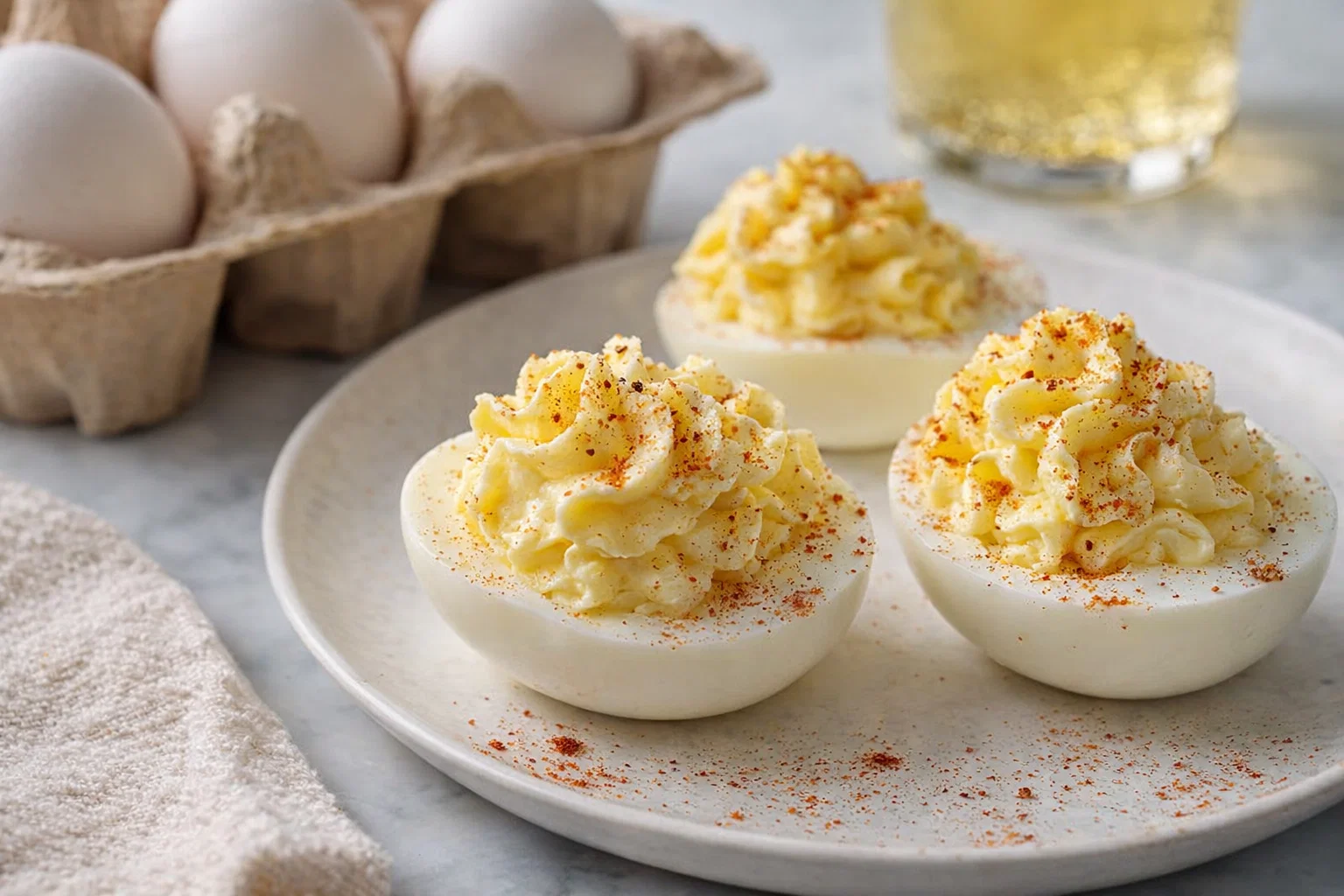
Fill the Egg Whites: Using a spoon or pastry bag, carefully fill each halved egg white with the yolk mixture.
-
Garnish and Serve: Finally, sprinkle with paprika or fresh herbs, depending on your choice. Chill for at least 30 minutes to enhance the flavors before serving.
-
Serve your Creations: Arrange the deviled eggs on a platter and serve immediately. Alternatively, they can be stored in the refrigerator, making them ideal for party prep.
With these straightforward steps, you’ll establish an appetizer that is bound to impress guests and suit various dietary preferences!
Mastering I’M Obsessed! Been Making These Deviled Eggs Non-Stop!: Advanced Tips and Variations
To elevate your dilapidated eggs from ordinary to extraordinary, consider these advanced tips and exciting variations:
-
Spice It Up: For the adventurous eater, add spices like cayenne pepper, garlic powder, or even curry powder into your filling for an exciting twist.
-
International Influence: Take inspiration from different cultures! Consider adding wasabi for an Asian-inspired flavor or pesto for an Italian flair.
-
Presentation Matters: Elevate the visual element by using different colors of paprika or finely chopped fresh herbs as a garnish. Making your deviled eggs visually appealing enhances the overall dining experience.
-
Create a Theme: If you’re hosting a party, consider having a deviled egg bar with various fillings that guests can mix and match. This interactivity can be a fun focal point at any gathering.
-
Make Ahead: Prepare your egg filling a day ahead for a more efficient hosting experience. Just fill the egg whites right before serving for maximum freshness.
By integrating these tips and variations, you not only keep your dish exciting but also adapt it easily to seasonal flavors, ensuring your guests are constantly impressed.
How to Store I’M Obsessed! Been Making These Deviled Eggs Non-Stop!: Best Practices
If you have any leftover deviled eggs, here’s how to store them without losing their quality:
-
Refrigeration: Place the deviled eggs in an airtight container or cover with plastic wrap to keep them fresh for up to 3-4 days in the refrigerator.
-
Freezing: While it’s not recommended to freeze the completed deviled eggs due to their texture, you can freeze the egg yolk mixture in freezer-safe bags for up to one month. Just remember to thaw and mix in the remaining ingredients before filling the egg whites to maintain that creamy consistency.
-
Reheating: If you’re planning to serve them warm, avoid microwaving them as it can alter the texture. Instead, let them sit at room temperature for a brief period, or use a gentle oven heat method to warm them slightly.
Using proper storage techniques not only saves leftovers but also maintains the integrity of these beloved appetizer recipes.
Nutritional Value of I’M Obsessed! Been Making These Deviled Eggs Non-Stop!
One of the best aspects of deviled eggs is their impressive nutritional profile. Here’s a breakdown of the nutrition per serving (2 egg halves):
- Calories: Approximately 140 kcal
- Protein: 6 g
- Fat: 11 g
- Saturated Fat: 2 g
- Carbohydrates: 1 g
- Fiber: 0 g
- Cholesterol: 186 mg
- Sodium: 150 mg
With high protein content, low calorie count, and good fats, deviled eggs are a perfect snack or appetizer choice, especially for those mindful of their diets. Additionally, you can boost the nutritional profile further by adding fresh herbs or making healthy substitutions, ensuring they remain a staple in your delicious repertoire of appetizer recipes.
FAQs: Frequently Asked Questions About I’M Obsessed! Been Making These Deviled Eggs Non-Stop!
-
Can I make deviled eggs in advance?
Yes! You can prepare them a day in advance and store them covered in the refrigerator. Just add garnishes right before serving to maintain freshness. -
Can I make these vegan?
Absolutely! Boil silken tofu or use store-bought vegan egg products as a substitute for the eggs. Mix it with herbs and spices to create a flavorful filling. -
What can I use instead of mayonnaise?
Greek yogurt, avocado, or hummus can swap mayonnaise, decreasing calories while increasing nutrition. -
How can I store leftovers?
Store leftovers in an airtight container in the fridge for up to 3-4 days. While it’s best to consume them fresh, they can still be tasty later on. -
What are some interesting flavor variations?
Try incorporating ingredients like bacon bits, sriracha, or jalapeños for a spicy kick. Consider flavored oils or infused vinegars to explore different taste profiles. -
Are deviled eggs gluten-free?
Yes! Traditional deviled eggs without added ingredients are gluten-free. Always check any condiments used, such as mayonnaise, for gluten-free certification.
In conclusion, the experience of making and sharing these deviled eggs can be fulfilling, enriching not only your palate but also inviting connections among loved ones. With tips, variations, and a straightforward recipe, you have everything you need to create a delightful culinary experience that keeps everyone coming back for more. Enjoy your cooking adventure!