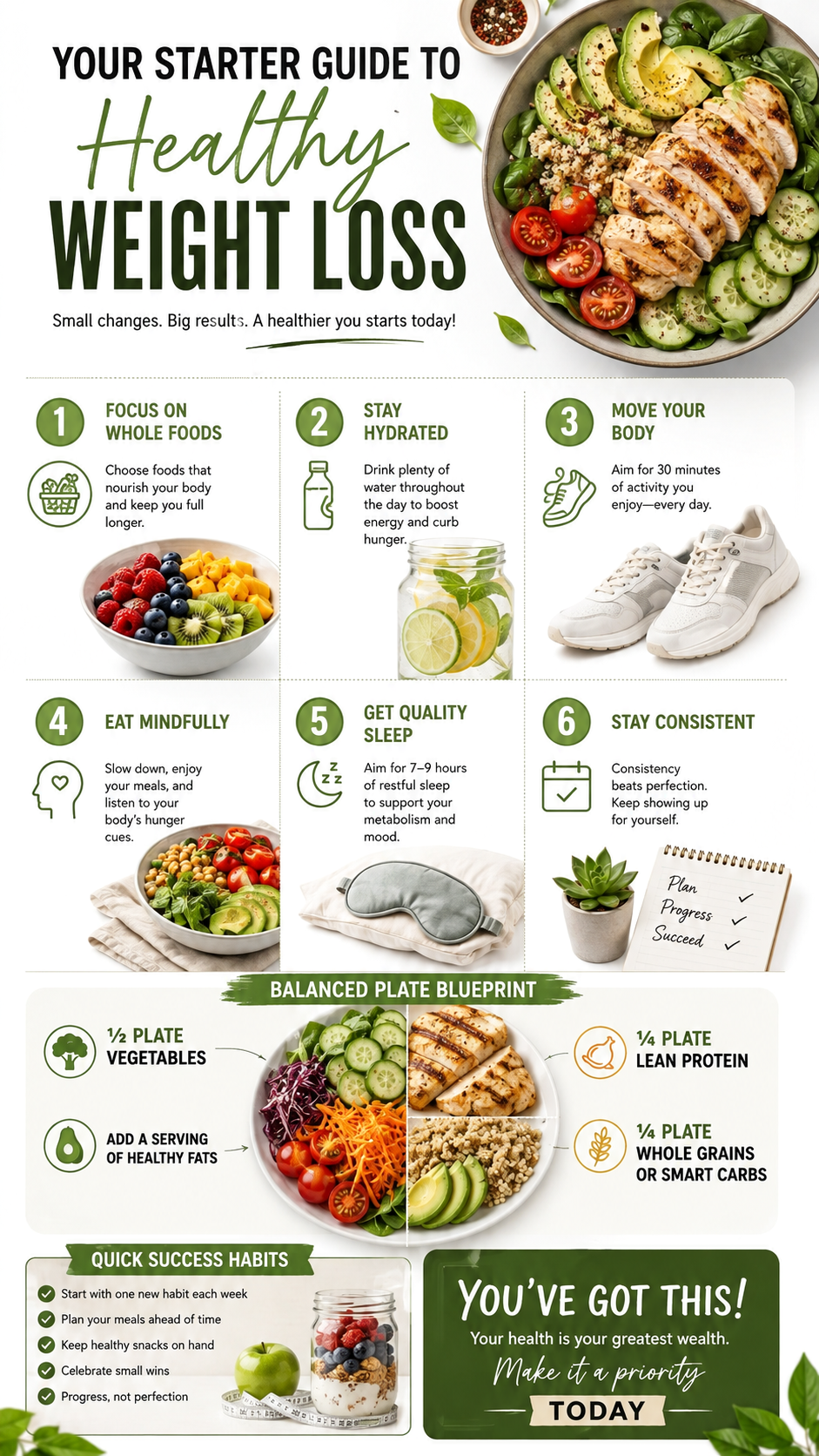
Healthy recipes are often associated with complicated meal plans, strict diets, and endless rules. In reality, building a healthier lifestyle usually begins with a few simple choices that become consistent habits over time. Small adjustments such as increasing protein intake, adding more vegetables to meals, drinking more water, and staying active can create meaningful changes that feel both achievable and sustainable.
Instead of chasing perfection, many people are discovering the value of practical nutrition. Balanced meals, realistic expectations, and everyday movement are becoming the foundation of modern healthy eating. This approach not only supports weight management but also promotes long-term wellness and a more positive relationship with food.
Key Takeaways
- Prioritize protein to improve meal satisfaction.
- Fill half of your plate with nutrient-rich vegetables.
- Stay hydrated throughout the day.
- Focus on consistency rather than perfection.
- Build healthy habits one step at a time.
Healthy Recipes Begin With Healthy Habits
Healthy recipes are much more than collections of ingredients. They represent a daily opportunity to nourish the body while enjoying satisfying meals. Whether your goal is weight management, increased energy, or improved overall wellness, healthy recipes work best when they support habits that are easy to maintain.
Many nutrition experts emphasize behavior over restriction. Preparing balanced meals at home, learning portion awareness, and choosing whole foods can transform eating patterns without creating unnecessary stress.
Important: Sustainable weight loss and healthy eating rarely happen because of dramatic changes. The most effective strategies often involve small daily improvements that become automatic over time.
Prioritize Protein for Better Meal Satisfaction
Protein is one of the most important components of a healthy meal. It supports muscle maintenance, contributes to satiety, and helps reduce unnecessary snacking between meals.
Simple Sources of Lean Protein
- Chicken breast
- Fish
- Eggs
- Greek yogurt
- Cottage cheese
- Beans and legumes
Including a quality protein source in every meal can make healthy recipes more filling and enjoyable. A simple grilled chicken salad, a bowl of Greek yogurt with fruit, or a vegetable omelet can provide balanced nutrition without requiring complicated preparation.
Protein and Meal Planning
When creating weekly menus, start by choosing your primary protein source. This strategy simplifies grocery shopping and helps organize meals around nutritious ingredients.
Expert Insight
- Build meals around protein first.
- Add vegetables second.
- Choose healthy carbohydrates to complete the plate.
Why Vegetables Should Fill Half of Your Plate
Vegetables provide vitamins, minerals, antioxidants, and dietary fiber that support overall health. They also add color, texture, and variety to healthy recipes.
Filling half of your plate with vegetables creates a visual guide that simplifies portion control. This approach encourages balanced eating without requiring calorie counting.
Color Matters
Different vegetables contribute different nutrients. Adding a variety of colors to your meals creates both nutritional diversity and visual appeal.
- Leafy greens provide essential nutrients and fiber.
- Orange vegetables contribute valuable vitamins.
- Red vegetables contain powerful antioxidants.
- Cruciferous vegetables support a healthy diet with additional nutrients.
Pro Tip: Keep prewashed vegetables in your refrigerator so healthy choices are always convenient. Accessibility often determines whether nutritious foods become part of your routine.
The Simple Healthy Plate Formula
One of the easiest ways to create healthy recipes is to follow a balanced plate formula. Rather than focusing on strict dietary rules, this method emphasizes appropriate proportions.
An Easy Plate Structure
- Half the plate: Vegetables
- One-quarter of the plate: Lean protein
- One-quarter of the plate: Whole grains or smart carbohydrates
- Additional serving: Healthy fats
Healthy fats such as avocado, nuts, seeds, and olive oil provide flavor while supporting nutrient absorption. Combining these food groups creates meals that feel complete and satisfying.
Healthy Recipe Ideas Using the Plate Formula
- Grilled chicken with roasted vegetables and brown rice
- Salmon with broccoli and quinoa
- Vegetable bowls topped with eggs and avocado
- Greek yogurt paired with berries and nuts
- Mixed salads with lean proteins and whole grains
Hydration Is an Essential Part of Healthy Eating
Water plays an important role in digestion, energy levels, and appetite regulation. Yet hydration is often overlooked when discussing healthy recipes.
Drinking water throughout the day can help support better eating habits. Many people also find that having water before meals encourages greater awareness of hunger and fullness.
Practical Hydration Tips
- Carry a reusable water bottle.
- Add fresh fruit for natural flavor.
- Drink water consistently instead of waiting until you feel thirsty.
- Include hydrating foods such as cucumbers, tomatoes, and leafy greens.
Movement and Sleep Complete the Wellness Picture
Healthy recipes work best when they are part of a broader lifestyle. Nutrition, physical activity, and quality sleep are closely connected.
Daily movement does not require an intensive fitness routine. Walking for 20 to 30 minutes each day can become a practical starting point for many people.
Sleep is equally important. Adults generally benefit from seven to nine hours of quality sleep each night. Rest influences energy levels, recovery, and daily food choices.
Important: Healthy eating should support your lifestyle instead of controlling it. Pairing nutritious meals with regular movement and consistent sleep creates a stronger foundation for lasting wellness.
Consistency Is More Powerful Than Perfection
One of the biggest obstacles to healthy eating is the belief that every meal must be perfect. This mindset often leads to frustration and unrealistic expectations.
Consistency allows room for flexibility. Missing a workout, enjoying a favorite dessert, or having an occasional restaurant meal does not erase progress.
Beginner Success Strategies
- Introduce one new habit each week.
- Plan meals ahead of time.
- Keep healthy snacks available.
- Celebrate small achievements.
- Track progress beyond the scale.
Healthy recipes should make life easier, not more stressful. Creating systems that support your goals can help healthy choices become natural parts of your everyday routine.
At a Glance
- Choose lean proteins for every meal.
- Fill half of your plate with vegetables.
- Drink water consistently throughout the day.
- Move your body every day.
- Focus on progress and consistency.
Conclusion
Healthy recipes are not about following temporary trends or adopting restrictive eating patterns. They are practical tools that help create a healthier lifestyle through balanced meals and sustainable habits.
By prioritizing protein, increasing vegetable intake, staying hydrated, moving regularly, and getting enough sleep, you can create routines that support long-term success. The journey toward healthier eating does not begin with perfection. It begins with one simple choice repeated consistently.
Tags
Healthy Recipes Weight Loss Healthy Eating Meal Prep Balanced Diet Nutrition Tips Healthy Lifestyle