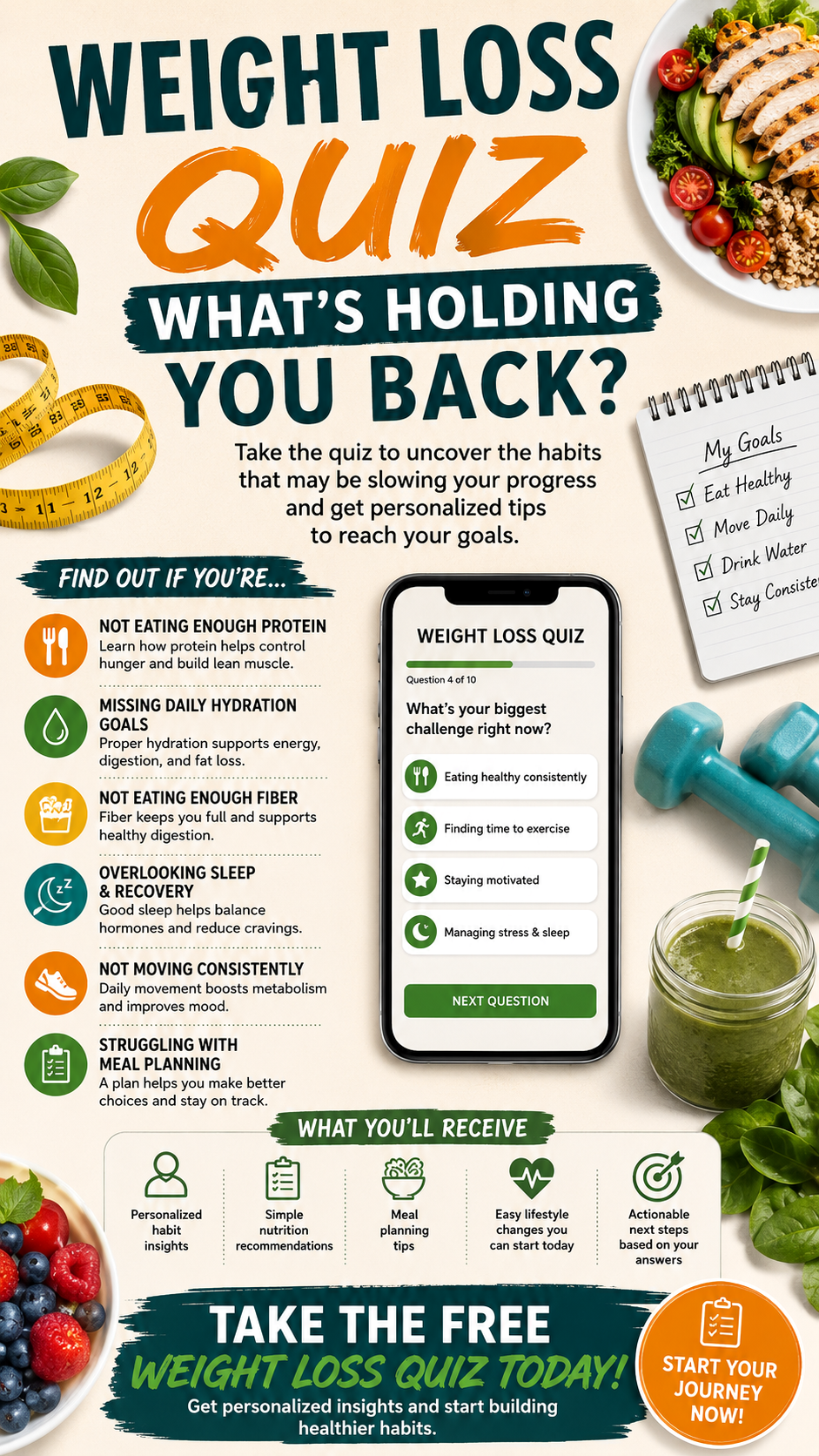
Healthy recipes are one of the most effective tools for building a sustainable wellness routine. While many people focus only on cutting calories, lasting results often come from creating balanced eating habits, staying active, drinking enough water, and maintaining consistency. A healthy lifestyle is not about perfection. It is about making smart choices that fit naturally into your daily routine. Whether your goal is weight management, improved energy, or simply feeling your best, nutritious meals paired with healthy habits can make a meaningful difference.
Key Takeaways
- Choose balanced meals with protein, fiber, and healthy fats.
- Stay hydrated throughout the day to support overall wellness.
- Meal planning helps reduce unhealthy food choices.
- Consistency matters more than following restrictive diets.
- Healthy habits work best when combined with regular physical activity.
Why Healthy Recipes Matter
Healthy recipes do much more than support weight loss. They provide your body with essential nutrients that fuel everyday activities, improve concentration, and promote long-term health. A balanced plate filled with lean protein, vegetables, whole grains, and healthy fats can help you stay satisfied while reducing the temptation to snack on processed foods.
Important: Healthy eating should never feel restrictive. The best nutrition plan is one you can realistically maintain for months and years. Focus on building enjoyable meals instead of chasing perfection.
Build a Balanced Plate Every Day
One of the easiest ways to improve your nutrition is by creating balanced meals. Each meal should ideally include several important food groups that work together to keep you energized.
Lean Protein
Protein supports muscle maintenance and helps keep you feeling full for longer. Excellent choices include grilled chicken, turkey, fish, eggs, Greek yogurt, tofu, beans, lentils, and cottage cheese.
Colorful Vegetables
Vegetables are naturally rich in vitamins, minerals, antioxidants, and fiber. Try adding broccoli, spinach, peppers, tomatoes, carrots, cucumbers, or leafy greens to every meal.
Whole Grains
Whole grains provide steady energy and additional fiber. Brown rice, quinoa, oats, barley, and whole wheat pasta are excellent options for balanced meals.
Healthy Fats
Healthy fats support brain function and improve satisfaction after meals. Avocados, olive oil, nuts, seeds, and natural nut butters are simple additions that contribute to overall nutrition.
Simple Healthy Recipe Ideas
- Grilled chicken with roasted vegetables and quinoa.
- Turkey lettuce wraps with fresh vegetables.
- Greek yogurt topped with berries, nuts, and chia seeds.
- Vegetable omelet served with sliced avocado.
- Salmon with steamed broccoli and brown rice.
- Overnight oats with fruit and cinnamon.
- Black bean salad with tomatoes, cucumber, and fresh herbs.
These meals are easy to prepare, naturally satisfying, and suitable for busy schedules. Small improvements repeated consistently often produce better results than dramatic changes that are difficult to maintain.
Expert Insight
Healthy recipes become even more effective when combined with meal planning, hydration, and regular movement. Rather than changing everything at once, improve one habit each week and allow it to become part of your routine.
The Importance of Hydration
Water plays a vital role in digestion, energy production, and overall health. Many people confuse thirst with hunger, making proper hydration an important part of healthy eating.
Helpful hydration habits include:
- Carry a reusable water bottle.
- Drink water before meals.
- Add lemon, cucumber, or mint for natural flavor.
- Increase water intake after exercise.
- Monitor your daily hydration goals.
Pro Tip: Drinking enough water supports healthy digestion, helps regulate appetite, and complements nutritious eating habits throughout the day.
Meal Planning Makes Healthy Eating Easier
Planning meals ahead of time removes much of the stress from healthy eating. When nutritious ingredients are already available, it becomes easier to avoid last-minute fast food or highly processed snacks.
Easy Meal Planning Tips
- Create a weekly menu.
- Prepare proteins in advance.
- Wash and chop vegetables before storing them.
- Cook grains in larger batches.
- Store healthy snacks in portion-sized containers.
Meal preparation does not have to consume your entire weekend. Even spending an hour organizing meals for several days can simplify healthy eating during busy weeks.
Healthy Habits Beyond the Kitchen
Nutrition is only one part of a healthy lifestyle. Daily habits influence how successful your wellness journey becomes over time.
Stay Active
Regular movement supports cardiovascular health, builds strength, and improves mood. Walking, cycling, swimming, resistance training, or simple stretching sessions all contribute to long-term wellness.
Prioritize Sleep
Sleep affects hunger hormones, recovery, concentration, and energy levels. Most adults benefit from maintaining a consistent sleep schedule and creating a relaxing bedtime routine.
Manage Stress
Chronic stress can make healthy eating more challenging. Mindfulness, deep breathing, journaling, spending time outdoors, or enjoying relaxing hobbies can support emotional well-being.
Important: Sustainable progress comes from combining healthy recipes with consistent lifestyle habits. Small daily improvements often produce the greatest long-term success.
Common Mistakes to Avoid
- Skipping meals regularly.
- Eliminating entire food groups without reason.
- Ignoring protein intake.
- Eating too little fiber.
- Forgetting to stay hydrated.
- Relying on motivation instead of routines.
- Expecting overnight results.
Building healthy habits takes patience. Focus on consistency rather than short-term perfection, and celebrate small improvements along the way.
Quick Points
- Eat balanced meals rich in protein and fiber.
- Stay hydrated every day.
- Prepare meals ahead to stay consistent.
- Exercise regularly and prioritize quality sleep.
- Focus on long-term healthy habits instead of quick fixes.
Conclusion
Healthy recipes are more than a collection of nutritious meals. They are the foundation of a balanced lifestyle that supports energy, wellness, and sustainable weight management. By combining wholesome ingredients with hydration, meal planning, regular movement, quality sleep, and consistent daily habits, you can create a routine that feels enjoyable instead of overwhelming. Every healthy choice builds momentum, and those small decisions add up over time. Start with simple recipes, stay consistent, and continue making gradual improvements that fit your lifestyle.
Tags
Healthy Recipes Healthy Eating Weight Loss Meal Planning Nutrition Tips Healthy Lifestyle Balanced Diet Wellness