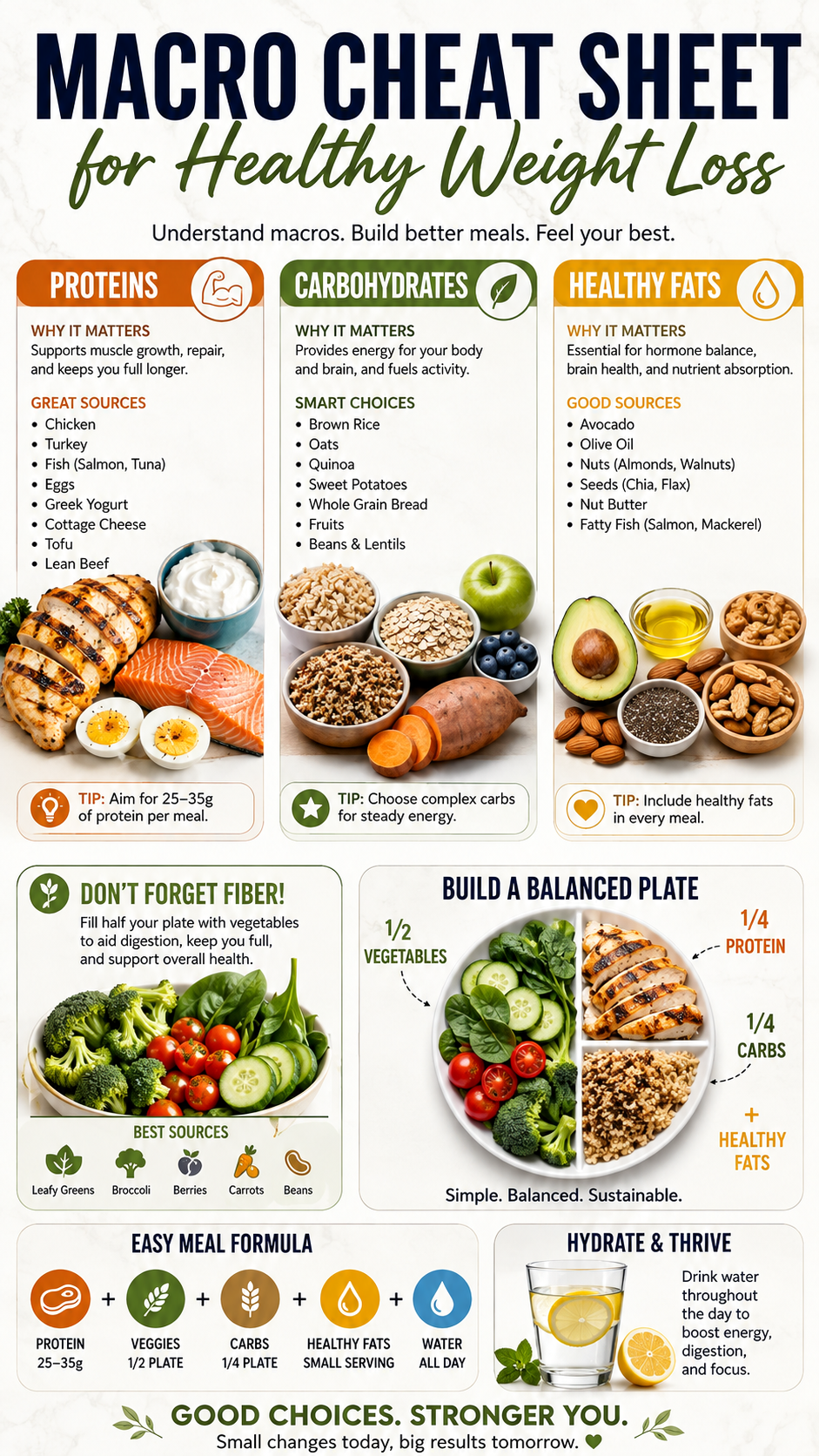
Healthy recipes become much easier to create when you understand the basics of balanced nutrition. Instead of following restrictive diets or complicated meal plans, focusing on the right combination of protein, smart carbohydrates, healthy fats, vegetables, and hydration can help you prepare satisfying meals every day. Whether your goal is weight management, improved energy, or simply eating better, learning how to build balanced plates is a practical approach that fits almost any lifestyle.
This guide explains how each major nutrient contributes to a healthy diet, how to assemble balanced meals, and simple strategies you can use for breakfast, lunch, dinner, and snacks. These healthy eating tips are easy to follow, making meal planning less stressful and much more enjoyable.
Key Takeaways
- Build meals around lean protein, vegetables, healthy fats, and smart carbohydrates.
- Aim for balanced portions instead of eliminating entire food groups.
- Include fiber-rich vegetables to stay full longer.
- Choose whole food ingredients whenever possible.
- Drink water consistently throughout the day.
Why Balanced Healthy Recipes Matter
A balanced meal delivers nutrients your body needs to function efficiently throughout the day. Protein supports muscles, carbohydrates provide energy, healthy fats help maintain overall wellness, and fiber promotes digestive health. Together, these nutrients create meals that are filling, flavorful, and nourishing.
Important: Healthy eating does not require perfection. Consistently choosing balanced meals made from nutritious ingredients often has a greater impact than following strict eating rules that are difficult to maintain.
Understanding the Three Main Macronutrients
Protein
Protein plays an essential role in building and maintaining muscle while helping meals feel more satisfying. Including a quality protein source with every meal can reduce hunger and support an active lifestyle.
Healthy Protein Choices
- Chicken breast
- Turkey
- Salmon
- Eggs
- Greek yogurt
- Cottage cheese
- Tofu
Many people find that including a generous serving of protein at meals helps create better balance while making meal planning much easier.
Smart Carbohydrates
Carbohydrates provide your body’s preferred source of energy. Choosing complex carbohydrates instead of heavily processed options offers longer-lasting energy along with valuable vitamins, minerals, and fiber.
Nutritious Carbohydrate Options
- Brown rice
- Oats
- Quinoa
- Sweet potatoes
- Whole grain bread
- Fresh fruit
Whole grains and naturally occurring carbohydrates fit perfectly into healthy recipes because they help create satisfying meals without unnecessary additives.
Healthy Fats
Healthy fats contribute to overall wellness while adding flavor and richness to meals. They also help increase meal satisfaction and complement other nutritious ingredients.
- Avocados
- Olive oil
- Almonds
- Walnuts
- Chia seeds
- Natural peanut butter
Expert Insight
Instead of avoiding carbohydrates or fats, focus on choosing higher-quality ingredients and pairing them with lean protein and vegetables. Balance is often more sustainable than restriction.
The Importance of Fiber
Fiber is one of the most valuable nutrients in a healthy eating routine. Vegetables provide fiber, vitamins, minerals, and natural volume to meals while helping support fullness.
Filling about half your plate with colorful vegetables is an easy visual strategy that works for nearly every meal. Leafy greens, broccoli, cucumbers, peppers, tomatoes, carrots, and many other vegetables add nutrition without making meals complicated.
Pro Tip: Preparing washed and chopped vegetables ahead of time makes healthy cooking much faster during busy weekdays. Keeping fresh produce ready to use encourages healthier meal choices.
An Easy Balanced Plate Formula
A simple visual meal formula can make healthy eating much easier. Rather than measuring every ingredient, divide your plate into balanced portions.
- Half of the plate with vegetables
- One quarter with lean protein
- One quarter with smart carbohydrates
- Add a small serving of healthy fats
- Drink water alongside the meal
This flexible approach works for countless healthy recipes and allows you to enjoy a wide variety of ingredients while maintaining nutritional balance.
Simple Meal Ideas Using the Formula
Breakfast
- Greek yogurt with berries and oats
- Eggs with whole grain toast and avocado
- Oatmeal topped with nuts and fresh fruit
Lunch
- Grilled chicken with brown rice and steamed broccoli
- Turkey salad with mixed vegetables and olive oil dressing
- Quinoa bowl with roasted vegetables and tofu
Dinner
- Salmon with sweet potato and green vegetables
- Lean chicken with quinoa and roasted vegetables
- Stir-fried tofu with brown rice and colorful vegetables
Healthy Snacks
- Greek yogurt
- Fresh fruit with almonds
- Vegetables with hummus
- Cottage cheese with berries
- Apple slices with natural peanut butter
Meal Prep Tips for Busy Weeks
Meal preparation saves time while making nutritious eating much more convenient. Spending even one hour preparing ingredients can simplify meals throughout the week.
- Cook proteins in larger batches.
- Prepare whole grains in advance.
- Wash and chop vegetables.
- Store healthy snacks in portioned containers.
- Keep healthy fats available for easy meal assembly.
Important: Consistency matters more than creating perfect meals. Even simple combinations of protein, vegetables, whole grains, and healthy fats provide meaningful nutritional benefits when enjoyed regularly.
Hydration Is Part of Healthy Eating
Water is often overlooked when discussing nutrition. Drinking water throughout the day supports normal body functions and complements balanced meals. Keeping a reusable water bottle nearby can help make hydration a regular habit.
Building Long-Term Healthy Habits
Healthy recipes are most effective when they become part of a sustainable lifestyle. Instead of focusing on temporary changes, aim to create routines that fit naturally into your daily schedule. Small improvements made consistently often produce better long-term results than dramatic changes that are difficult to maintain.
Experiment with different vegetables, proteins, grains, and healthy fats to discover combinations you genuinely enjoy. Variety keeps meals interesting while providing a broader range of nutrients.
At a Glance
- Choose lean protein at every meal.
- Fill half your plate with vegetables.
- Select whole food carbohydrates.
- Add healthy fats in moderate portions.
- Stay hydrated throughout the day.
Conclusion
Creating healthy recipes does not have to be complicated. By combining quality protein, smart carbohydrates, healthy fats, fiber-rich vegetables, and regular hydration, you can prepare meals that support energy, satisfaction, and overall wellness. A simple balanced plate approach removes much of the guesswork from meal planning while giving you flexibility to enjoy a wide variety of nutritious foods.
Start with small improvements, prepare ingredients when possible, and focus on consistency rather than perfection. Over time, these practical habits can make healthy eating feel natural, enjoyable, and sustainable for everyday life.
Tags
Healthy Recipes Balanced Meals Meal Prep Weight Loss High Protein Healthy Eating Nutrition Tips Macro Friendly