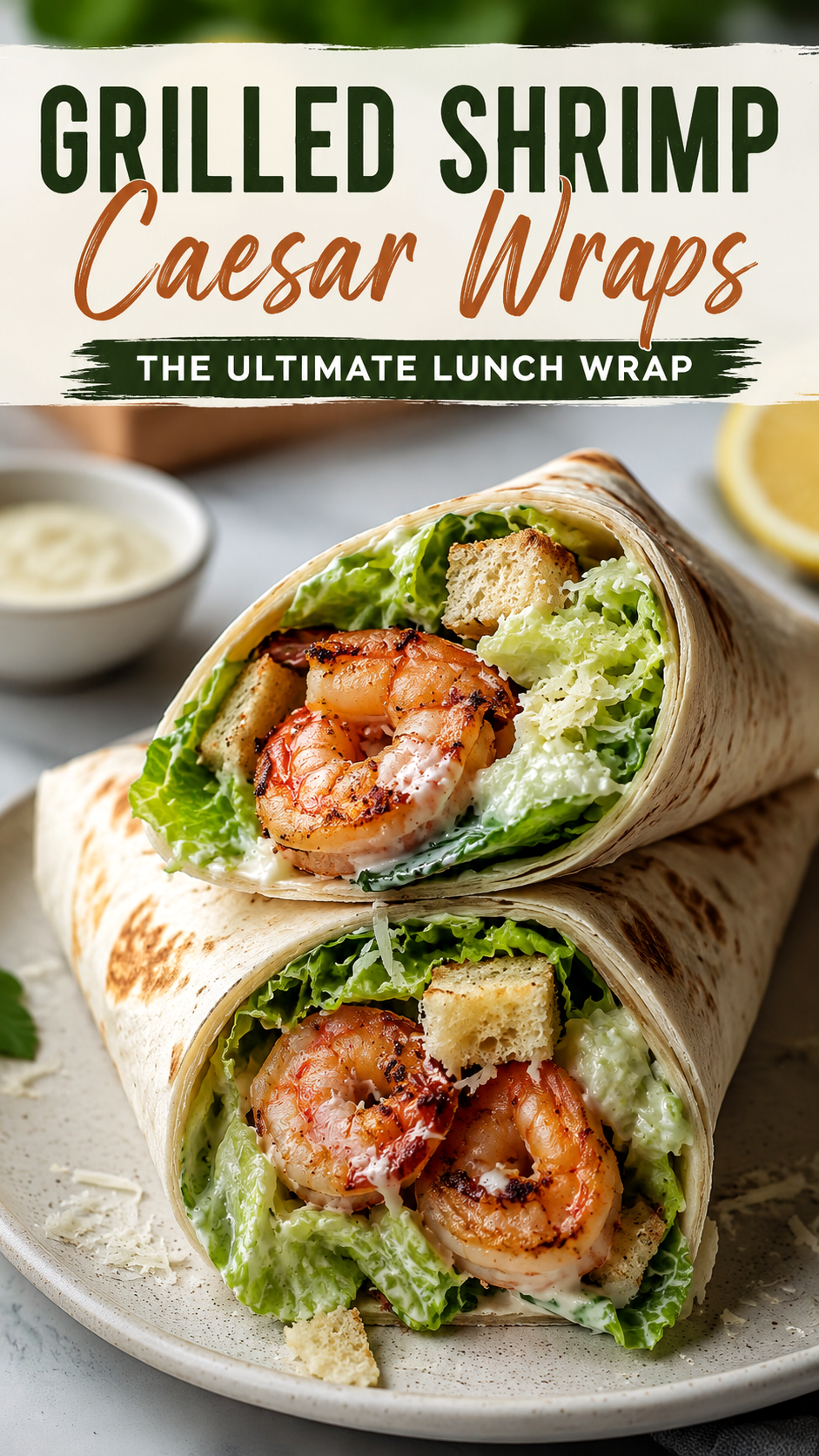
Tag: lunch

  • Easy Healthy Recipes for Delicious, Nutritious Meals Anytime

    Easy Healthy Recipes for Delicious, Nutritious Meals Anytime

    Healthy eating does not have to mean complicated recipes, unusual ingredients, or meals that leave you wishing for something more satisfying. The best healthy recipes are simple, flavorful, flexible, and realistic enough to enjoy on busy weekdays as well as relaxed weekends. With a few wholesome ingredients and a little planning, it is possible to build meals that feel fresh, filling, and genuinely enjoyable.

    Key Takeaways

    • Healthy recipes can be simple, flavorful, and satisfying.
    • Build balanced meals around vegetables, protein, whole grains, and healthy fats.
    • Use herbs, spices, citrus, and fresh ingredients to add flavor without relying on heavy sauces.
    • Meal prep can make nutritious choices easier during busy days.
    • Flexible recipes make it simple to adapt meals to different preferences and ingredients.

    What Makes a Recipe Truly Healthy?

    A healthy recipe is not defined by one ingredient or a strict set of rules. Instead, it is about creating a meal that provides a useful combination of nutrients while still tasting good. A colorful plate with vegetables, a source of protein, a satisfying carbohydrate, and a little healthy fat can be a practical foundation for everyday eating.

    Whole and minimally processed ingredients are often a great starting point. Fresh vegetables, fruit, beans, lentils, eggs, fish, poultry, whole grains, nuts, seeds, and yogurt can all fit naturally into a balanced meal plan.

    Important: Healthy eating is about the overall pattern of your meals rather than making every single dish perfect. A flexible approach is easier to maintain and leaves plenty of room for foods you genuinely enjoy.

    Easy Healthy Recipes for Everyday Meals

    One of the easiest ways to eat well consistently is to keep a collection of dependable recipes that can be prepared without much effort. When meals are simple enough for a busy schedule, healthy choices become much easier to repeat.

    Wholesome Breakfast Ideas

    Breakfast can be as simple as a bowl of Greek yogurt topped with berries, nuts, and seeds. Oatmeal is another versatile option that can be paired with fruit, cinnamon, nut butter, or chopped nuts for extra texture and flavor.

    For a savory option, try eggs with sautéed vegetables and whole-grain toast. Preparing breakfast components ahead of time can also make busy mornings easier without sacrificing variety.

    Fresh and Filling Lunches

    Lunches built around vegetables and protein are easy to customize. A colorful grain bowl can combine cooked quinoa or brown rice with roasted vegetables, chickpeas, grilled chicken, avocado, and a simple lemon-based dressing.

    Salads can also become much more satisfying when they include enough protein and texture. Instead of relying on lettuce alone, combine leafy greens with beans, eggs, chicken, tuna, roasted vegetables, seeds, or whole grains.

    Nutritious Dinner Recipes

    Dinner is a great opportunity to create a balanced plate without making the process complicated. Roasted vegetables paired with baked salmon, grilled chicken, or beans can form the centerpiece of an easy meal.

    Healthy pasta recipes can also be incredibly satisfying. Choose a pasta you enjoy, add plenty of vegetables, and include a protein source such as chicken, beans, lentils, seafood, or tofu. A light sauce made with tomatoes, garlic, herbs, olive oil, or yogurt can bring everything together.

    How to Build a Balanced Healthy Meal

    You do not need to calculate every nutrient to create a nourishing meal. A simple visual approach can make meal planning much easier.

    1. Start with vegetables: Add a generous portion of colorful vegetables, either fresh, steamed, roasted, or sautéed.
    2. Add protein: Choose options such as chicken, fish, eggs, beans, lentils, tofu, or yogurt.
    3. Include satisfying carbohydrates: Whole grains, potatoes, oats, brown rice, quinoa, and whole-grain pasta can provide energy and texture.
    4. Add healthy fats: Avocado, nuts, seeds, and olive oil can contribute richness and help make meals more satisfying.
    5. Finish with flavor: Fresh herbs, citrus juice, garlic, spices, and homemade dressings can transform simple ingredients.

    Why This Matters

    The most sustainable healthy meals are the ones you actually want to eat. Prioritize variety, satisfying textures, and bold natural flavors rather than trying to make meals unnecessarily restrictive.

    Simple Ingredients That Add Big Flavor

    Healthy food does not have to taste bland. Flavor can come from everyday ingredients that make simple meals feel completely different from one another.

    • Fresh herbs: Parsley, cilantro, basil, mint, and dill can brighten everything from salads to roasted vegetables.
    • Citrus: Lemon and lime juice add freshness to fish, grains, vegetables, and homemade dressings.
    • Spices: Paprika, cumin, turmeric, black pepper, garlic powder, and chili flakes can quickly transform basic ingredients.
    • Garlic and ginger: These aromatics create depth in stir-fries, soups, sauces, and marinades.
    • Healthy dressings: A simple combination of olive oil, lemon juice, herbs, and seasonings can make vegetables much more appealing.

    Pro Tip: Roast vegetables at a high enough temperature to develop browned edges and deeper flavor. A little caramelization can make vegetables far more satisfying without needing a heavy sauce.

    Healthy Meal Prep Made Simple

    Meal prep does not have to mean cooking an entire week’s worth of identical meals. Instead, prepare a few flexible components that can be combined in different ways.

    Cook a batch of grains, roast several types of vegetables, prepare a protein, and keep a few fresh ingredients ready in the refrigerator. These components can become bowls, salads, wraps, side dishes, or quick dinners throughout the week.

    Portioning ingredients into containers can also reduce the amount of decision-making required when you are hungry and short on time. Keep dressings and crunchy toppings separate when possible so meals stay fresh and appealing.

    Smart Swaps for Healthier Recipes

    Small ingredient changes can improve the nutritional balance of familiar meals without completely changing the foods you love. These swaps are especially useful when adapting favorite comfort foods.

    • Use whole-grain bread or wraps when they suit the recipe.
    • Add extra vegetables to pasta, rice dishes, soups, and casseroles.
    • Choose Greek yogurt as a creamy component in selected sauces and dressings.
    • Use beans or lentils to add protein and substance to soups, salads, and grain bowls.
    • Replace some heavy toppings with fresh herbs, vegetables, salsa, or citrus-based dressings.
    • Keep nuts and seeds available for adding crunch to salads, oatmeal, and yogurt bowls.

    Healthy Snacks That Keep Things Interesting

    Snacks can be simple while still being satisfying. Fresh fruit with yogurt, vegetables with hummus, a small handful of nuts, or a simple homemade energy bite can provide convenient options between meals.

    The key is to choose snacks based on what you need at the moment. Combining protein or healthy fats with fruit or vegetables can create a more substantial option than reaching for highly processed snacks every time hunger appears.

    Tips for Making Healthy Eating Easier

    Consistency usually comes from convenience. If nutritious ingredients are difficult to find, wash, chop, or prepare, you may be less likely to use them when your schedule becomes busy.

    Keep frequently used ingredients visible and ready to cook. Frozen vegetables, canned beans, eggs, whole grains, fruit, and simple proteins can provide a practical foundation for quick meals.

    It also helps to avoid planning an entirely new menu every day. Choose several reliable healthy recipes and rotate them with seasonal variations. This keeps meal planning manageable while still allowing plenty of variety.

    How to Keep Healthy Recipes Delicious

    Texture is just as important as flavor. A meal with soft ingredients can become much more appealing when you add something crisp, fresh, or crunchy. Toasted seeds, chopped nuts, fresh vegetables, or roasted ingredients can provide contrast.

    Color also makes meals more inviting. Combining greens, reds, oranges, yellows, and purples naturally creates visual variety while encouraging you to include a broader range of vegetables and fruits.

    Finally, give yourself permission to experiment. Try a different spice blend, switch one vegetable for another, or turn leftovers into an entirely new meal. Healthy cooking becomes much easier when recipes are treated as flexible starting points rather than strict instructions.

    At a Glance

    • Fill meals with colorful vegetables and quality protein.
    • Use herbs, spices, garlic, and citrus for natural flavor.
    • Prepare flexible ingredients ahead of time for busy days.
    • Choose simple recipes you genuinely enjoy eating.
    • Focus on consistency instead of perfection.

    Conclusion: Make Healthy Recipes Part of Everyday Life

    Healthy recipes work best when they fit naturally into your lifestyle. You do not need an elaborate meal plan or a kitchen full of specialty ingredients to create delicious, nourishing food. A few versatile staples, colorful produce, satisfying proteins, and flavorful seasonings can take you surprisingly far.

    Start with meals that feel easy and enjoyable, then build from there. Experiment with different combinations, prepare a few ingredients ahead of time, and keep your favorite healthy recipes in regular rotation. When nutritious cooking becomes simple, flavorful, and flexible, healthy eating can feel less like a challenge and more like a rewarding part of everyday life.

    Tags

    Healthy Recipes Healthy Meals Clean Eating Meal Prep Nutritious Meals Healthy Dinner Healthy Snacks

  • High Protein Healthy Recipes Easy Protein-Rich Meal Ideas for Every Day

    High Protein Healthy Recipes Easy Protein-Rich Meal Ideas for Every Day

    Healthy eating does not have to mean complicated meal plans, restrictive rules, or spending hours in the kitchen. One of the easiest ways to create more balanced meals is to start with a protein-rich food and build the rest of the plate around it. With a few dependable ingredients such as eggs, Greek yogurt, chicken, salmon, tofu, beans, lentils, and cottage cheese, you can turn everyday meals into satisfying options with very little effort.

    Key Takeaways

    • Start meals with a protein-rich ingredient you enjoy.
    • Combine protein with vegetables, fruit, whole grains, or other favorite foods.
    • Keep versatile protein staples ready for quick breakfasts, lunches, dinners, and snacks.
    • Use simple upgrades to add protein to oatmeal, salads, toast, rice bowls, pasta, and snacks.
    • Choose a variety of animal-based and plant-based protein sources throughout the week.
    • Focus on practical meals you can enjoy consistently rather than complicated food rules.

    Why Protein Is Such a Useful Starting Point for Healthy Meals

    Protein is found in a wide range of everyday foods, making it easy to incorporate into almost any style of eating. Eggs and dairy products can work beautifully at breakfast, chicken and turkey are convenient choices for lunch or dinner, seafood adds variety to weekly meals, and plant-based options such as tofu, tempeh, lentils, chickpeas, black beans, and edamame offer plenty of flexibility.

    The biggest advantage of thinking about protein first is simplicity. Instead of wondering what an entire meal should look like, choose one protein source and then add produce and a carbohydrate or other foods that fit your preferences. This creates a flexible meal formula that can be adapted to whatever ingredients you have available.

    Important: A balanced meal does not need to follow a perfect formula every time. Use protein as a practical starting point, then add foods you enjoy and ingredients that suit your appetite, schedule, and dietary preferences.

    Easy Protein-Rich Foods to Keep on Hand

    A well-stocked kitchen makes healthy meal preparation much easier. The goal is not to buy every protein source at once. Instead, choose a few favorites from different categories so you always have something convenient to build a meal around.

    Eggs and Dairy

    Eggs, Greek yogurt, cottage cheese, and milk are versatile options that can fit into breakfast, snacks, bowls, and quick meals. Greek yogurt can be stirred into oatmeal or served with fruit. Cottage cheese works well alongside toast or fruit, while eggs can be scrambled, boiled, or added to a simple breakfast plate.

    These ingredients are especially useful when you need something quick. A bowl of Greek yogurt with fruit, a couple of eggs with toast, or cottage cheese paired with fresh produce can require very little preparation.

    Meat and Poultry

    Chicken, turkey, and lean beef are familiar staples that can be used across many different recipes. Cooked chicken can be added to salads, wraps, rice bowls, or vegetable plates. Turkey can work in sandwiches and bowls, while lean beef can bring hearty flavor to dinners.

    Cooking a larger batch of chicken or another preferred protein can also make weekday meals easier. Once prepared, portions can be combined with different vegetables, grains, sauces, or seasonings so the same basic ingredient does not feel repetitive.

    Seafood

    Salmon, tuna, shrimp, and cod offer another way to add variety to meals. Salmon can be paired with vegetables and potatoes or served over a grain bowl. Tuna works particularly well in salads, sandwiches, and quick lunches. Shrimp can be cooked rapidly and added to bowls, pasta, or vegetables, while cod provides a mild option for simple dinner plates.

    Plant-Based Protein

    Tofu, tempeh, lentils, black beans, chickpeas, and edamame make it easy to create protein-rich meals without relying exclusively on meat or dairy. Beans and lentils are excellent additions to salads, soups, bowls, and wraps. Tofu can be sautéed and served with vegetables and grains, while edamame makes a convenient addition to bowls and snacks.

    Using a mixture of plant-based and animal-based foods can keep meals interesting. You can also choose plant-based ingredients simply because you enjoy their flavor, texture, convenience, or versatility.

    The Easy Meal Formula: Pick, Add, Build

    When you are short on time, use a three-step approach: pick a protein, add produce, and build the rest of your meal around it. This method takes the guesswork out of everyday meal planning without requiring an elaborate menu.

    1. Pick a protein: Choose chicken, fish, eggs, tofu, beans, Greek yogurt, cottage cheese, or another favorite.
    2. Add produce: Include vegetables, fruit, leafy greens, or a combination based on the meal.
    3. Build the rest: Add rice, potatoes, oats, whole grains, avocado, seeds, olive oil, or other foods that complement the meal.

    This formula works because it is customizable. A breakfast might start with eggs, fruit, and whole-grain toast. Lunch could feature chicken, greens, and rice. Dinner might combine salmon, vegetables, and potatoes. A plant-based bowl could use tofu, roasted vegetables, and a grain.

    Why This Matters

    The easiest healthy meal plan is often the one you can repeat. Keeping a few reliable protein sources and flexible ingredients available lets you create different meals without starting from scratch every day.

    Simple Protein Upgrades for Everyday Meals

    You do not always need to cook a completely new recipe to make a meal more protein-focused. Small additions can transform foods you already enjoy.

    Upgrade Your Oatmeal

    Oatmeal can become a more substantial breakfast with Greek yogurt or milk. Add berries, sliced fruit, seeds, or other favorite toppings for additional texture and flavor. This is an especially easy option for busy mornings because the base can be prepared ahead of time.

    Give Salads More Staying Power

    A bowl of greens and vegetables can become a complete-feeling lunch when you add chicken, tuna, eggs, tofu, or beans. Try changing the protein and dressing rather than rebuilding the entire salad each time.

    Make Toast More Satisfying

    Toast is a blank canvas for quick meals. Eggs or cottage cheese can turn a simple slice of toast into a more substantial breakfast or snack. Add vegetables, fruit, herbs, or another favorite topping to create variety.

    Build Better Rice Bowls

    Rice bowls are one of the most flexible meal ideas. Start with rice or another grain, add chicken, salmon, tofu, beans, or another protein, then pile on vegetables. A simple sauce, herbs, seeds, or avocado can bring the ingredients together.

    Add Protein to Pasta

    Pasta does not have to be complicated. Add chicken, turkey, shrimp, fish, tofu, beans, or another preferred protein to your favorite pasta recipe. Vegetables can add color, texture, and variety, while a flavorful sauce helps tie everything together.

    Healthy Snack Ideas With Protein

    Snacks can be simple, too. Greek yogurt with berries is an easy combination, while cottage cheese pairs well with fruit. Eggs can be prepared ahead of time for a convenient grab-and-go option. Edamame and chickpeas can also work well when you want something savory.

    The key is to make nutritious choices convenient. If you regularly find yourself reaching for whatever is easiest, prepare a few ingredients in advance. Wash fruit, portion yogurt, cook eggs, or prepare a batch of chicken, tofu, beans, or grains so you have building blocks ready when hunger strikes.

    Pro Tip: Think in ingredients rather than recipes. Cook one versatile protein, prepare a few vegetables, and keep a convenient grain or carbohydrate available. You can combine them differently throughout the week for meals that feel fresh without requiring extra work.

    How to Make Healthy Meal Planning Easier

    Healthy meal planning becomes much less intimidating when you stop trying to plan every detail. Begin with a short list of proteins you genuinely enjoy. Then choose a few vegetables, fruits, grains, and toppings that can be mixed and matched.

    • Choose two or three favorite proteins for the week.
    • Keep convenient options such as eggs, Greek yogurt, beans, or canned tuna available.
    • Prepare versatile ingredients that can work in several meals.
    • Use different seasonings and sauces to change familiar combinations.
    • Keep frozen vegetables and other convenient staples available for busy days.
    • Build meals around your schedule instead of aiming for complicated recipes every day.

    Variety is helpful, but it does not have to mean a completely different dinner every night. The same chicken can become a salad one day, a rice bowl the next, and a wrap later in the week. The same idea works with tofu, beans, salmon, eggs, and other versatile foods.

    A Simple Three-Question Protein Check

    When deciding what to eat, ask yourself three quick questions. First, where is the protein in this meal? Second, what else does the meal need, such as vegetables, fruit, carbohydrates, or healthy fats? Third, will this meal actually satisfy me and fit my day?

    These questions are more useful than chasing perfection. They encourage you to notice what is on your plate while leaving plenty of room for personal preferences. A practical meal that you enjoy is more useful than an idealized recipe you never want to make.

    Healthy Recipes Can Be Simple and Flexible

    There is no single correct way to create a healthy meal. Some days you may have time to prepare salmon with vegetables and potatoes. Other days, Greek yogurt with fruit and oats may be the easiest choice. A quick egg toast breakfast, chicken salad, bean bowl, or tofu stir-fry can all fit into a flexible approach to nutritious eating.

    The most useful habit is learning how to assemble meals from ingredients you already know. Once you recognize a few dependable protein sources and understand how to pair them with produce and other foods, meal planning becomes much easier.

    At a Glance

    • Start with a protein you enjoy.
    • Add colorful vegetables or fruit.
    • Choose grains, potatoes, oats, or another favorite carbohydrate.
    • Use simple toppings, herbs, seeds, or sauces for variety.
    • Keep convenient ingredients ready for busy days.

    Conclusion: Make Healthy Eating Easier One Meal at a Time

    Healthy recipes do not need to be complicated to be useful. A simple protein-first approach gives you a practical foundation for breakfasts, lunches, dinners, snacks, and meal prep. Eggs, dairy, poultry, meat, seafood, tofu, tempeh, beans, lentils, chickpeas, and edamame provide plenty of options, while vegetables, fruit, grains, potatoes, oats, seeds, and other favorite foods help complete the meal.

    Start small. Pick a few protein-rich foods you enjoy, keep them accessible, and experiment with easy combinations. A handful of dependable meal ideas can make everyday eating feel more organized, satisfying, and enjoyable. When healthy choices are simple enough to fit real life, they become much easier to maintain.

    Tags

    Healthy Recipes High Protein Meals Protein Rich Foods Healthy Meal Ideas Easy Meal Prep Nutritious Meals Balanced Meals span style=”display:inline-block;background:#e8f4ed;border:1px solid #c7dfd0;border-radius:20px;padding:7px 13px;margin:4px;font-size:14px;”>Healthy Eating

  • Easy Keto Dinner Recipes for Simple Weekly Meal Planning

    Easy Keto Dinner Recipes for Simple Weekly Meal Planning

    Easy dinner recipes become much more manageable when you stop treating dinner as a daily decision and start treating it as a simple weekly system. A little planning can turn a busy week into a collection of meals that are easy to shop for, quick to prepare, and flexible enough to fit real life. Whether you prefer healthy dinner recipes, easy keto dinners, low-carb meals, or family-friendly favorites, a simple meal planning routine can take much of the stress out of cooking.

    Key Takeaways

    • Choose your dinner meals before creating your grocery list.
    • Build meals around simple proteins, low-carb vegetables, and satisfying fats.
    • Prepare a few basic ingredients ahead of time to make weeknight cooking easier.
    • Use a mix-and-match approach so the same ingredients can create different meals.
    • Leave room for busy days, eating out, leftovers, and unexpected schedule changes.

    Why Easy Dinner Recipes Work Better With a Plan

    One of the biggest challenges with dinner is not necessarily cooking. It is deciding what to make, checking what ingredients are available, and finding enough time to prepare everything. A weekly dinner plan solves several of these problems at once.

    Instead of starting each evening with an empty kitchen and no clear idea, you already know what meals are coming up. Your grocery list becomes more focused, food preparation becomes more predictable, and you are less likely to rely on last-minute takeout or whatever happens to be easiest.

    Meal planning also does not have to mean preparing seven completely different recipes. A smarter approach is to choose a handful of easy dinner ideas and reuse ingredients in different combinations throughout the week.

    Important: The goal of meal planning is not perfection. The best plan is one that makes your week easier while leaving enough flexibility for busy workdays, social plans, travel, leftovers, and unexpected changes.

    Start by Choosing Your Meals

    The easiest way to build a weekly dinner plan is to choose the meals first. Rather than walking through the grocery store hoping inspiration strikes, decide what you want to eat and shop specifically for those meals.

    For a simple week, you might choose three to five main dinner ideas and use leftovers or flexible combinations on the remaining days. This keeps your grocery list manageable and prevents you from buying more food than you can realistically use.

    Build a Short List of Go-To Dinners

    Create a personal collection of easy dinner recipes that you already know work well. These can include grilled or pan-cooked chicken with vegetables, seasoned ground beef bowls, baked salmon with green vegetables, shrimp with sautéed vegetables, or egg-based meals when you want something especially simple.

    Having dependable meals to fall back on makes weekly planning much faster. You can also introduce one new recipe occasionally without rebuilding your entire routine.

    Think in Meal Categories

    Another useful strategy is to assign loose categories to different days. For example, one night could be chicken, another seafood, another ground beef, and another a quick egg-based dinner. This provides variety without requiring a complicated recipe schedule.

    • Chicken: Pair cooked chicken with salad greens, broccoli, zucchini, or avocado.
    • Beef: Use seasoned ground beef with vegetables and your favorite low-carb toppings.
    • Salmon: Serve baked or pan-cooked salmon with asparagus, broccoli, or zucchini.
    • Shrimp: Combine shrimp with sautéed vegetables for a quick weeknight meal.
    • Eggs: Keep eggs available for an easy breakfast-for-dinner option or simple protein-packed meal.

    Build Dinner Around Simple Proteins

    Protein is an excellent starting point because it gives each meal a clear foundation. The meal planning approach shown here emphasizes practical choices such as chicken, beef, salmon, shrimp, eggs, and turkey.

    Choose the proteins that your household enjoys and that fit naturally into your schedule. You do not need a complicated cooking method. Seasoning and a straightforward cooking technique can be enough to create a useful base for several meals.

    For example, cooked chicken can become part of a salad one night and a vegetable bowl the next. Ground beef can be served with different vegetable combinations, while salmon can be paired with several green vegetables depending on what you have prepared.

    Add Plenty of Low-Carb Vegetables

    Vegetables bring color, texture, freshness, and variety to easy dinner recipes. The planning guide highlights practical low-carb choices including broccoli, spinach, zucchini, mushrooms, asparagus, and salad greens.

    These ingredients are particularly useful because they can be prepared in several ways. Broccoli can be roasted or steamed, zucchini can be sautéed or grilled, mushrooms can be cooked alongside protein, and salad greens can become the foundation for a quick bowl.

    Keep several vegetable options available rather than buying a large amount of one ingredient. This makes it easier to mix and match meals and helps prevent dinner from feeling repetitive.

    Expert Insight

    A flexible ingredient system is often more useful than a rigid recipe schedule. Prepare a few basic components, then combine them differently throughout the week.

    • Cook protein in batches when practical.
    • Prepare several vegetables at once.
    • Keep fresh ingredients available for quick assembly.

    Choose Satisfying Fats and Toppings

    A good dinner plan is about more than protein and vegetables. The visual meal planning formula also includes useful fat sources such as avocado, olive oil, cheese, nuts, and seeds.

    These ingredients can help turn a basic bowl of protein and vegetables into a more satisfying meal. They are also convenient because small additions can change the flavor and texture of a familiar dinner.

    For example, sliced avocado can add creaminess to a chicken salad, olive oil can be used when cooking vegetables, cheese can provide a flavorful finishing touch, and nuts or seeds can add crunch to salads or vegetable bowls.

    If you are following a keto or low-carb approach, always consider the overall ingredients and portions that fit your individual eating plan rather than assuming every meal combination automatically meets your needs.

    Turn Your Meal Plan Into a Grocery List

    Once your meals are chosen, the grocery list becomes much easier. Instead of shopping for random ingredients, organize your list around what each meal actually requires.

    1. Write down your selected dinner recipes.
    2. List the protein needed for each meal.
    3. Add your low-carb vegetables and salad ingredients.
    4. Include healthy fats, seasonings, and pantry basics.
    5. Check your kitchen before shopping so you do not buy duplicates.

    A well-organized grocery list can make shopping faster and reduce the mental effort involved in meal preparation. It also gives you a clear picture of what you are planning to cook before the week begins.

    Prep the Basics Ahead of Time

    Meal prep does not have to mean spending an entire Sunday cooking every meal. A lighter approach can be much easier to maintain. Prepare a few basic components that can be combined quickly when dinner arrives.

    Depending on your schedule, this might mean cooking chicken or another protein, washing salad greens, chopping vegetables, preparing broccoli or zucchini, and portioning ingredients into containers.

    Pro Tip: Prep ingredients rather than complete meals when you want maximum flexibility. Keeping cooked protein and prepared vegetables separate allows you to create different combinations without feeling like you are eating the exact same dinner every night.

    Keep Prepared Ingredients Easy to See

    Clear containers can make prepared food easier to notice and use. When your ingredients are organized and ready to go, assembling dinner can take only a few simple steps.

    Store foods in a way that makes sense for your routine, and label anything that may otherwise be forgotten. The goal is to make the healthy or planned choice the convenient choice.

    Use a Mix-and-Match Dinner Formula

    One of the most practical ideas for easy dinner recipes is the mix-and-match formula. Start with a protein, add vegetables, choose a satisfying fat or topping, and adjust the combination based on what you have available.

    This method gives you a framework without forcing you to follow a complicated recipe every night. A bowl of chicken, broccoli, avocado, and salad greens can become a different meal simply by changing the seasoning or vegetable combination.

    The same concept works with salmon, shrimp, beef, turkey, and eggs. Once the ingredients are prepared, dinner becomes more about assembling components than starting from scratch.

    Create a Seven-Day Planning Framework

    A simple seven-day framework can keep meal planning organized while still leaving plenty of room for real life. The key is not to fill every day with a complicated recipe.

    Sunday: Plan and Prepare

    Use the start of the week to choose meals, make your grocery list, shop for ingredients, and prepare a few basic foods. Even a short preparation session can make the following days easier.

    Monday Through Friday: Follow the Plan

    Use your prepared meals and ingredients throughout the workweek. If one evening becomes unexpectedly busy, move that meal to another day instead of abandoning the entire plan.

    Weekend: Review and Reset

    Take a few minutes to think about what worked. Keep favorite meals in your rotation and adjust portions, ingredients, or preparation methods that created unnecessary work.

    Make Your Dinner Plan Work in Real Life

    The best meal plan is flexible. Work schedules change, social events happen, travel interrupts routines, and sometimes you simply do not feel like eating what was planned.

    Build flexibility into your system from the beginning. Leave one or two meals open for leftovers, quick combinations, or eating out. This prevents a missed meal from making the entire weekly plan feel unsuccessful.

    It is also helpful to keep a few emergency dinner ingredients available. Eggs, cooked protein, frozen or fresh vegetables, salad greens, and simple toppings can give you several options when your schedule suddenly changes.

    At a Glance

    • Plan meals before making your grocery list.
    • Build dinners around simple proteins and low-carb vegetables.
    • Prep versatile ingredients instead of complicated full meals.
    • Use avocado, olive oil, cheese, nuts, or seeds to vary meals.
    • Keep your schedule flexible enough for real-life changes.

    Conclusion: Make Easy Dinner Recipes Part of Your Routine

    Easy dinner recipes become even easier when you have a repeatable system behind them. Choose a few meals, build a focused grocery list, prepare basic ingredients, and use a mix-and-match approach to create satisfying dinners throughout the week.

    You do not need a complicated meal plan or hours of meal prep to make weeknight cooking feel organized. A handful of dependable proteins, colorful vegetables, simple fats, and flexible combinations can provide plenty of variety.

    Start small by planning just a few dinners for the coming week. As you discover which recipes and preparation habits work best for your schedule, your routine will become faster and more natural. The result is less last-minute decision-making and more confidence when it is time to put dinner on the table.

    Tags

    Easy Dinner Recipes Keto Dinner Recipes Low Carb Meals Healthy Dinner Ideas Meal Planning Keto Meal Prep Weeknight Dinners Healthy Meal Prep

  • Easy High-Protein Keto Dinner Recipes Low-Carb Bowl Ideas

    Easy High-Protein Keto Dinner Recipes Low-Carb Bowl Ideas

    Easy dinner recipes do not have to mean complicated cooking, long ingredient lists, or hours in the kitchen. A simple bowl built with a satisfying protein, fresh low-carb vegetables, healthy fats, and flavorful toppings can turn everyday ingredients into a filling meal. These high-protein keto bowl ideas are designed to make weeknight dinners easier while giving you plenty of variety to keep meals interesting.

    Key Takeaways

    • Build dinner bowls around protein-rich ingredients such as chicken, beef, salmon, shrimp, eggs, or steak.
    • Choose low-carb vegetables like spinach, cucumber, zucchini, broccoli, mushrooms, and cauliflower rice.
    • Add satisfying fats from avocado, olive oil, cheese, or seeds.
    • Use herbs, garlic, lemon, spices, and other flavorful toppings to make simple ingredients more exciting.
    • Prep several ingredients ahead so you can mix and match easy dinners throughout the week.

    Why High-Protein Keto Bowls Make Easy Dinner Recipes

    The beauty of a dinner bowl is flexibility. Instead of following one rigid recipe, you can use a simple formula and change the ingredients depending on what you have available. The image highlights six combinations that make this approach especially practical: chicken avocado, keto taco, salmon veggie, garlic shrimp, breakfast-inspired, and steak and veggie bowls.

    Each combination follows the same basic idea. Start with a protein, add plenty of non-starchy vegetables, include an appropriate source of fat, and finish with seasonings or toppings that bring everything together. This makes bowl recipes useful for busy weeknights, meal prep, and anyone looking for simple low-carb dinner ideas.

    Important: The most useful part of a bowl is not a complicated recipe. It is the flexible formula behind it. Once you know how to combine protein, vegetables, satisfying fats, and flavor, you can create countless easy dinner recipes without starting from scratch every night.

    1. Easy Chicken Avocado Bowl

    A chicken avocado bowl is an excellent starting point for a simple high-protein dinner. The combination shown features sliced chicken with cauliflower rice, cucumber, avocado, and a creamy cheese topping. The result is colorful, satisfying, and easy to customize.

    For the base, cauliflower rice provides a familiar rice-like texture while keeping the bowl centered on low-carb ingredients. Add crisp cucumber for freshness and creamy avocado for richness. Crumbled feta or another favorite cheese can provide a savory finishing touch.

    Easy Ways to Customize It

    • Season the chicken with garlic, paprika, black pepper, or dried herbs.
    • Swap cucumber for zucchini or another crisp vegetable.
    • Add fresh herbs for extra color and flavor.
    • Finish with a small drizzle of olive oil and a squeeze of lemon.

    2. Flavorful Keto Taco Bowl

    Taco night can easily become a bowl-style dinner. The keto taco bowl shown combines seasoned ground beef with lettuce, avocado, cheese, salsa, and jalapeño. It captures the familiar flavors of tacos while making the ingredients easy to layer into one convenient meal.

    Use a generous bed of chopped lettuce as the vegetable base, then add cooked ground beef seasoned with your favorite taco-inspired spices. Creamy avocado, shredded cheese, fresh salsa, and sliced jalapeño bring contrasting textures and plenty of flavor.

    Make It Weeknight-Friendly

    Cook the ground beef in advance and store it separately. When dinner time arrives, simply assemble the lettuce, beef, avocado, cheese, and salsa. This small amount of preparation can make a busy evening much easier.

    3. Fresh Salmon Veggie Bowl

    For seafood lovers, a salmon veggie bowl offers a flavorful alternative to chicken and beef. The pictured version pairs cooked salmon with spinach, cucumber, avocado, and cauliflower rice. Fresh vegetables balance the richness of the salmon and avocado, creating a bowl with a variety of textures.

    Season salmon simply with herbs and spices, then serve it over cauliflower rice and greens. Cucumber adds crunch, while avocado creates a creamy element. A squeeze of lemon can brighten the entire bowl.

    Simple Salmon Toppings

    • Fresh lemon juice
    • Chopped parsley or other herbs
    • Black pepper and garlic
    • Avocado slices
    • A light drizzle of olive oil

    4. Garlic Shrimp Bowl With Zucchini

    Shrimp is especially useful when you want an easy dinner that comes together quickly. The garlic shrimp bowl shown combines shrimp with zucchini, spinach, avocado, and cauliflower rice. Garlic and herbs provide a simple flavor base without requiring a complicated sauce.

    Cook the shrimp until properly cooked through, then season with garlic, herbs, and your preferred spices. Add sautéed or fresh zucchini and spinach, followed by cauliflower rice and avocado. The combination is light enough for a weeknight meal while still feeling substantial.

    Expert Insight

    The easiest way to prevent low-carb bowls from becoming boring is to vary flavor rather than rebuilding the entire meal.

    • Use lemon and herbs for a fresh, bright bowl.
    • Try taco-style spices and salsa for a bold, savory bowl.
    • Use garlic, pepper, and olive oil for a simple Mediterranean-inspired direction.

    5. Breakfast-Inspired Keto Bowl

    Who says eggs are only for breakfast? The breakfast keto bowl featured in the collection combines eggs, turkey, spinach, avocado, and cheese. It is a great example of how breakfast ingredients can become a satisfying dinner when arranged as a complete bowl.

    Scrambled eggs provide a simple protein-rich foundation, while turkey adds another savory element. Spinach contributes color and vegetables, avocado adds creaminess, and shredded cheese finishes the bowl with a rich, familiar flavor.

    When to Serve It

    This bowl works especially well when you need a quick dinner using ingredients already in the refrigerator. It can also be adapted for a relaxed weekend brunch, a quick lunch, or a simple meal after a busy day.

    6. Steak and Vegetable Bowl

    A steak bowl brings a hearty option to the collection. The pictured combination includes sliced steak with roasted broccoli, mushrooms, cauliflower rice, and fresh herbs. It is a useful template when you want an easy dinner that feels substantial without relying on a traditional pasta or rice base.

    Roasted broccoli and mushrooms add savory depth and texture, while cauliflower rice creates a familiar foundation. Slice the cooked steak into bite-sized pieces and distribute it throughout the bowl so each serving gets a balanced combination of protein and vegetables.

    Pro Tip: Roast your vegetables in a single batch and prepare your preferred protein at the same time. Once those components are ready, assembling several different dinner bowls becomes a simple mix-and-match process.

    The Simple Keto Bowl Formula

    The image offers a straightforward formula that can be used for dozens of easy dinner recipes. Think of your bowl as four building blocks rather than a strict recipe.

    1. Choose your protein: Chicken, beef, salmon, shrimp, eggs, or turkey can serve as the centerpiece.
    2. Add low-carb vegetables: Broccoli, spinach, cucumber, zucchini, mushrooms, and cauliflower rice provide variety and texture.
    3. Add a satisfying fat: Avocado, olive oil, cheese, or seeds can add richness.
    4. Add flavor: Garlic, lemon, fresh herbs, spices, salsa, or a suitable low-sugar sauce can transform the bowl.

    This formula makes it easier to use leftovers, reduce food waste, and keep dinner interesting. If you have cooked chicken in the refrigerator, pair it with spinach, cucumber, avocado, and herbs. If you have shrimp, try zucchini, cauliflower rice, garlic, and lemon. The ingredients can change while the basic structure stays the same.

    How to Meal Prep Easy Dinner Bowls

    Meal prep does not have to mean preparing six identical meals. A more flexible approach is to prepare individual components that can be combined differently throughout the week.

    Prepare the Proteins

    Cook a few portions of chicken, ground beef, shrimp, salmon, steak, or turkey. Keep the seasoning relatively versatile if you plan to use the protein in several different bowls.

    Prepare the Vegetables

    Wash and chop fresh vegetables, and roast vegetables such as broccoli and mushrooms in batches. Cauliflower rice can also be prepared ahead so it is ready to reheat and serve.

    Keep Fresh Toppings Separate

    Ingredients such as avocado, fresh herbs, cucumber, salsa, and certain cheeses are often best added shortly before eating. Keeping them separate helps maintain freshness and makes each bowl feel freshly assembled.

    Easy Flavor Combinations to Try

    Once the basic bowl formula becomes familiar, experimenting with flavors is easy. You can create completely different meals without buying a long list of specialty ingredients.

    • Garlic herb: Chicken, spinach, cucumber, cauliflower rice, avocado, garlic, and fresh herbs.
    • Taco-inspired: Ground beef, lettuce, avocado, cheese, salsa, jalapeño, and taco-style spices.
    • Lemon herb: Salmon, spinach, cucumber, cauliflower rice, avocado, lemon, and herbs.
    • Simple steak: Steak, broccoli, mushrooms, cauliflower rice, olive oil, garlic, and herbs.
    • Breakfast bowl: Eggs, turkey, spinach, avocado, cheese, and your favorite seasonings.

    Tips for Better Low-Carb Dinner Bowls

    A great bowl should have contrast. Combine something tender with something crisp, something creamy with something fresh, and something savory with something bright. This simple principle can make even basic ingredients much more enjoyable.

    • Do not rely on one seasoning for every meal. Rotate herbs, spices, garlic, lemon, and sauces.
    • Use different textures to make the bowl more interesting.
    • Keep calorie-dense toppings portioned according to your personal nutrition needs.
    • Choose vegetables that you genuinely enjoy so healthy meals remain satisfying.
    • Use leftovers creatively instead of preparing every ingredient from scratch.

    At a Glance

    • Start with a protein-rich centerpiece.
    • Fill the bowl with colorful low-carb vegetables.
    • Add a satisfying fat such as avocado, cheese, or olive oil.
    • Finish with herbs, spices, garlic, lemon, or salsa.
    • Prep components ahead for faster weeknight dinners.

    Conclusion: Make Easy Dinner Recipes Your Own

    These high-protein keto bowl ideas show how simple ingredients can become flexible, flavorful dinners. Whether you prefer chicken and avocado, a taco-inspired beef bowl, salmon and vegetables, garlic shrimp, eggs and turkey, or a hearty steak combination, the same basic formula makes it easy to build a meal around what you already have.

    The real advantage is flexibility. Prepare a few proteins, keep low-carb vegetables ready, stock a handful of flavorful toppings, and you can create different combinations throughout the week. With a little planning, easy dinner recipes can be practical, satisfying, and anything but boring.

    Start with your favorite protein, add a generous selection of vegetables, choose a flavorful fat, and finish with seasonings you love. Then mix, match, and make the bowl your own.

    Tags

    Easy Dinner Recipes Keto Dinner Recipes High Protein Meals Low Carb Recipes Keto Bowl Ideas Healthy Dinner Ideas Keto Meal Prep Low Carb Dinner

  • Easy Healthy Recipes for Delicious, Nutritious Everyday Meals

    Easy Healthy Recipes for Delicious, Nutritious Everyday Meals

    Eating well does not have to mean complicated meals, unusual ingredients, or hours spent in the kitchen. The best healthy recipes are often the ones that combine simple ingredients with satisfying flavors and practical preparation. Whether you are planning weekday dinners, looking for nutritious lunch ideas, or simply trying to add more wholesome foods to your routine, having a collection of reliable recipes can make healthy eating much easier.

    Key Takeaways

    • Choose meals built around a variety of colorful, wholesome ingredients.
    • Combine protein, vegetables, quality carbohydrates, and healthy fats for satisfying meals.
    • Keep simple pantry staples available for quick recipe preparation.
    • Use herbs, spices, citrus, and fresh ingredients to create plenty of flavor.
    • Plan a few flexible meals ahead to make healthy choices easier during busy days.

    What Makes a Recipe Truly Healthy?

    A healthy recipe is not defined by one ingredient or a strict set of rules. Instead, it is usually about how different foods work together to create a balanced and satisfying meal. Recipes featuring vegetables, fruits, lean proteins, whole grains, legumes, nuts, seeds, and other minimally processed foods can make it easier to build a varied eating pattern.

    Balance is especially important. A meal that includes a source of protein can help make it more filling, while vegetables and fruits can add color, texture, and variety. Whole grains and other carbohydrate-rich foods can provide energy, while ingredients such as nuts, seeds, avocado, or olive oil can bring satisfying richness.

    Important: Healthy eating is less about making every meal perfect and more about creating enjoyable habits that are realistic enough to maintain. Simple recipes you genuinely enjoy are often more useful than complicated meals you only make once.

    Build Better Meals With Simple Ingredients

    One of the easiest ways to create healthy recipes is to start with ingredients you already enjoy. Fresh vegetables can become the foundation of salads, bowls, soups, stir-fries, and roasted meals. Beans and lentils can add plant-based protein and substance. Eggs, poultry, fish, yogurt, tofu, and other protein-rich foods can work in everything from breakfast to dinner.

    Whole grains and other filling staples can also make meals more satisfying. Brown rice, oats, quinoa, whole-grain bread, potatoes, and similar foods can be paired with vegetables and protein to create practical everyday meals.

    Start With a Simple Meal Formula

    When you do not know what to cook, a basic formula can make the decision much easier. Think about choosing one item from several categories rather than searching for a completely new recipe every time.

    1. Protein: Choose beans, lentils, eggs, fish, poultry, tofu, yogurt, or another favorite source.
    2. Vegetables: Add one or more colorful vegetables for texture and variety.
    3. Carbohydrate: Include oats, rice, potatoes, whole grains, or another satisfying staple.
    4. Healthy fat: Consider nuts, seeds, avocado, or a moderate amount of olive oil.
    5. Flavor: Finish with herbs, spices, garlic, citrus, or a flavorful dressing.

    This flexible approach works because it can adapt to almost any cuisine. You can turn the same basic ingredients into a grain bowl, salad, wrap, soup, roasted dinner, or quick skillet meal simply by changing the seasoning and preparation method.

    Healthy Breakfast Recipes to Start the Day

    Breakfast can be as simple or elaborate as you like. If you prefer something quick, overnight oats topped with fruit, seeds, or nuts can be prepared ahead of time. Eggs paired with vegetables and whole-grain toast offer another straightforward option. Yogurt with fruit and crunchy toppings can also make a convenient breakfast when time is limited.

    The goal is not to create an elaborate morning routine. A practical breakfast should fit comfortably into your schedule. Preparing ingredients the night before can reduce the amount of work required during a busy morning.

    Easy Ideas for Busy Mornings

    • Overnight oats with fresh or frozen fruit.
    • Eggs with sautéed vegetables and whole-grain toast.
    • Greek-style yogurt with berries, nuts, and seeds.
    • A fruit and yogurt smoothie with an optional protein-rich ingredient.
    • Whole-grain toast topped with avocado and vegetables.

    Nutritious Lunch Ideas That Keep You Satisfied

    Lunch is often where healthy eating becomes challenging because the meal needs to be convenient as well as satisfying. This is where flexible recipes can be especially useful. A prepared grain bowl, colorful salad, vegetable soup, or whole-grain wrap can be assembled from ingredients prepared earlier in the week.

    Try combining contrasting textures to make simple lunches more enjoyable. Crisp vegetables, creamy avocado, tender beans, crunchy seeds, and a flavorful dressing can turn basic ingredients into a meal that feels much more exciting.

    Why This Matters

    A nutritious meal is more likely to become part of your routine when it is convenient, flavorful, and satisfying. Preparing a few versatile ingredients ahead of time gives you more options without requiring a completely different recipe every day.

    Healthy Dinner Recipes for Everyday Cooking

    Dinner is an excellent opportunity to bring several food groups together in one satisfying meal. Roasted vegetables with a protein source and a hearty side can create a simple dinner with plenty of variety. Stir-fries, sheet-pan meals, soups, stuffed vegetables, and grain bowls are equally useful because they can be adjusted according to what is available.

    For a quick dinner, focus on techniques that do not require constant attention. Roasting, baking, steaming, grilling, and one-pan cooking can make preparation easier while allowing ingredients to develop plenty of flavor.

    Flavor Is the Secret to Enjoyable Healthy Meals

    Healthy food should never feel boring. Fresh garlic, ginger, herbs, spices, lemon juice, lime juice, vinegar, and homemade dressings can transform simple ingredients without requiring complicated cooking techniques.

    Try using different flavor profiles throughout the week. A Mediterranean-inspired bowl might feature vegetables, grains, herbs, and a bright dressing. Another meal could use warming spices, roasted vegetables, and beans. Changing seasonings is an easy way to make familiar ingredients feel completely different.

    Pro Tip: Season food gradually as you cook instead of waiting until the end. Building flavor in layers with aromatics, herbs, spices, acidity, and a finishing touch can make simple healthy recipes taste much more satisfying.

    Smart Meal Prep for Healthy Eating

    Meal prep does not have to mean preparing seven identical containers of food. A more flexible approach is to prepare ingredients that can be mixed and matched throughout the week. Cook a grain, wash and chop vegetables, prepare a protein, and make a simple dressing. Then combine them differently depending on what you are craving.

    Keeping a few convenient ingredients ready can also make last-minute meals easier. Cooked grains, washed greens, roasted vegetables, canned beans, eggs, frozen vegetables, and simple pantry staples can become the building blocks of quick meals.

    A Simple Weekly Prep Routine

    1. Choose three or four healthy recipes or meal combinations for the week.
    2. Make a practical shopping list based on overlapping ingredients.
    3. Wash and prepare vegetables soon after shopping.
    4. Cook one or two versatile staples that can be used in multiple meals.
    5. Store prepared ingredients properly so they are easy to reach when needed.

    How to Make Healthy Recipes More Affordable

    Nutritious cooking does not have to depend on expensive specialty ingredients. Beans, lentils, oats, eggs, seasonal vegetables, frozen produce, rice, potatoes, and other basic staples can form the foundation of many satisfying meals.

    Buying ingredients that can be used in several recipes is another useful strategy. For example, a batch of roasted vegetables might work in a lunch bowl, alongside dinner, or inside a wrap. A cooked grain can become a salad base one day and a warm bowl the next.

    Frozen fruits and vegetables can also be practical choices. They are convenient to keep on hand and can make it easier to add produce to meals when fresh options are limited.

    Simple Swaps for Better Everyday Meals

    Small changes can make familiar meals more nutritious without completely changing the foods you love. Add extra vegetables to pasta dishes, soups, omelets, and wraps. Replace part of a refined grain with a whole-grain alternative when it suits the recipe. Add beans or lentils to salads, soups, and bowls for extra substance.

    You can also focus on preparation rather than restriction. Roasting, grilling, baking, and steaming can be useful alternatives when you want a lighter cooking approach. Flavorful herbs, spices, citrus, and sauces can help keep meals interesting.

    • Add leafy greens or colorful vegetables to familiar meals.
    • Use beans or lentils to add texture and substance.
    • Choose whole-grain options when they work well with the dish.
    • Experiment with herbs and spices instead of relying only on heavy sauces.
    • Keep healthy snacks and prepared ingredients easy to access.

    Make Healthy Eating Feel Sustainable

    The most useful healthy recipes are the ones that fit your real life. If a recipe requires ingredients you rarely use or preparation that takes too long, it may not become a regular part of your routine. Look for meals that are flexible enough to accommodate your schedule, preferences, and available ingredients.

    It is also helpful to think about variety rather than perfection. Rotate different vegetables, proteins, grains, fruits, and seasonings so meals remain interesting. Some days may call for a quick bowl, while other days may leave more time for cooking something special.

    Most importantly, healthy eating can include food that is comforting, flavorful, and enjoyable. There is no need for every meal to look exactly the same. A balanced approach leaves room for personal taste while making wholesome ingredients a regular part of everyday cooking.

    At a Glance

    • Keep healthy recipes simple and flexible.
    • Build meals around variety and balance.
    • Use herbs, spices, and fresh ingredients for flavor.
    • Prepare versatile ingredients ahead when possible.
    • Choose recipes you enjoy enough to make regularly.

    Conclusion: Build a Collection of Healthy Recipes You Love

    Healthy eating becomes much easier when you have dependable recipes that are flavorful, practical, and flexible. Instead of trying to overhaul every meal at once, start by collecting a few simple favorites for breakfast, lunch, dinner, and snacks. Add colorful vegetables, satisfying protein sources, wholesome carbohydrates, and flavorful ingredients to create meals that keep you interested.

    With a little planning, everyday staples can become dozens of different meal combinations. Keep experimenting with seasonal produce, new seasonings, and different cooking methods. The result is a collection of healthy recipes that supports your routine without making food feel complicated.

    Save your favorite ideas, revisit the recipes that work best for your schedule, and gradually build a personal rotation of nutritious meals you genuinely look forward to eating.

    Tags

    Healthy Recipes Healthy Meals Easy Recipes Healthy Eating Meal Prep Nutritious Meals Healthy Dinner Ideas Clean Eating

  • Healthy Dinner Recipes Easy, Delicious  Nutritious Meals for Busy Nights

    Healthy Dinner Recipes Easy, Delicious Nutritious Meals for Busy Nights

    Healthy dinner recipes do not have to be complicated, time-consuming, or bland. With the right combination of wholesome ingredients, satisfying protein, colorful vegetables, and simple cooking methods, it is easy to create meals that feel comforting while still fitting into a balanced lifestyle. Whether you are planning busy weeknight dinners or simply looking for fresh meal inspiration, having a collection of reliable healthy dinner ideas can make cooking much easier.

    Key Takeaways

    • Choose a balance of protein, vegetables, and satisfying carbohydrates.
    • Keep simple ingredients available for quick weeknight meals.
    • Use herbs, spices, citrus, and homemade sauces for plenty of flavor.
    • One-pan and sheet-pan meals can make cooking and cleanup easier.
    • Plan a few flexible dinner ideas ahead of time to reduce mealtime stress.

    What Makes a Healthy Dinner?

    A healthy dinner is less about following strict rules and more about creating a satisfying combination of foods. A simple plate can include a source of protein, plenty of vegetables, a nourishing carbohydrate, and a modest amount of healthy fat. This flexible approach makes it easier to enjoy different flavors without feeling restricted.

    Protein can come from chicken, fish, seafood, eggs, beans, lentils, tofu, or other favorite options. Vegetables add color, texture, fiber, and variety, while ingredients such as brown rice, potatoes, quinoa, whole-grain pasta, or other grains can make a meal more filling.

    Important: The most useful healthy dinner recipes are the ones you will actually enjoy making and eating. Focus on balanced ingredients and practical preparation rather than trying to make every meal perfect.

    Easy Healthy Dinner Recipes for Busy Nights

    Weeknights often leave little time for elaborate cooking. That is where simple healthy dinner recipes become especially valuable. Instead of preparing several complicated dishes, build meals around a few dependable ingredients and straightforward cooking techniques.

    One-Pan Chicken and Vegetables

    One-pan chicken dinners are a practical choice when you want a complete meal with minimal cleanup. Combine seasoned chicken with vegetables such as broccoli, peppers, zucchini, carrots, or green beans. Roast everything together until the vegetables are tender and the chicken is cooked through.

    For extra flavor, use garlic, paprika, black pepper, Italian herbs, lemon juice, or a simple homemade seasoning blend. Serve the finished meal as it is or pair it with a portion of rice, quinoa, or roasted potatoes.

    Simple Salmon Dinner

    Salmon makes an excellent centerpiece for a quick healthy dinner. Its rich flavor means it does not require an elaborate sauce. A little lemon, garlic, herbs, and seasoning can create a flavorful meal with very little preparation.

    Pair salmon with roasted vegetables and a satisfying side such as potatoes, brown rice, or quinoa. A crisp green salad can also add freshness and texture to the plate.

    Healthy Shrimp and Vegetable Bowls

    Shrimp cooks quickly, making it especially useful when dinner needs to come together in a hurry. Sauté shrimp with colorful vegetables and season everything with garlic, ginger, chili, lemon, or your favorite herbs and spices.

    Serve the mixture over rice, quinoa, or another grain. You can also turn it into a fresh bowl with leafy greens, cucumber, tomatoes, avocado, and a simple dressing.

    Build a Balanced Dinner Plate

    One of the easiest ways to create healthy dinner ideas is to stop thinking about recipes as rigid formulas. Instead, think about the main components of a balanced plate. Once you understand the basic structure, you can swap ingredients according to your preferences and what you already have in the kitchen.

    1. Start with protein: Choose chicken, fish, shrimp, beans, lentils, tofu, eggs, or another satisfying option.
    2. Add vegetables: Use a colorful mixture of fresh or frozen vegetables for variety.
    3. Choose a nourishing carbohydrate: Rice, potatoes, quinoa, oats, whole grains, or whole-grain pasta can make dinner more satisfying.
    4. Finish with healthy fats: Avocado, nuts, seeds, olive oil, or a flavorful dressing can add richness.

    This approach also makes meal planning more flexible. If you have chicken in the refrigerator but no broccoli, use peppers, spinach, zucchini, or another vegetable instead. Healthy cooking becomes much easier when recipes can adapt to what you already have.

    Why This Matters

    A flexible dinner formula saves time and helps prevent food waste. Keeping a few proteins, vegetables, grains, herbs, and versatile sauces on hand gives you the foundation for many different healthy meals.

    Flavorful Healthy Dinner Ideas Without Complicated Ingredients

    Healthy food becomes much more enjoyable when it has plenty of flavor. You do not need heavy sauces or complicated recipes to make dinner exciting. Small additions can completely change the character of a meal.

    Use Herbs and Spices

    Garlic, parsley, basil, oregano, rosemary, thyme, paprika, cumin, black pepper, chili flakes, and ginger can turn basic ingredients into something much more interesting. Try changing the seasoning profile of the same protein and vegetables to create completely different dinners throughout the week.

    Add Bright, Fresh Flavors

    Lemon juice, lime juice, fresh herbs, tomatoes, cucumber, and simple yogurt-based sauces can bring freshness to hearty meals. A small amount of acidity can also help balance richer ingredients and make a dish taste more vibrant.

    Make Simple Homemade Sauces

    A quick sauce can make a familiar dinner feel completely new. Try combinations such as Greek yogurt with herbs, tahini with lemon, olive oil with garlic and herbs, or a simple tomato-based sauce. Keeping a few versatile sauces in your cooking routine makes healthy meals much easier to customize.

    Pro Tip: Season ingredients in layers. Add seasoning while cooking rather than relying on one final sprinkle at the end. This simple habit can make vegetables, grains, and proteins taste much more flavorful.

    Healthy Dinner Recipes for Meal Prep

    Preparing a few components in advance can make busy evenings significantly easier. You do not have to cook an entire week’s worth of dinners at once. Even a small amount of preparation can save valuable time later.

    Cook a batch of grains, wash and chop vegetables, prepare a simple dressing, and portion a protein into containers. These ingredients can then be combined in different ways throughout the week.

    • Roast a large tray of mixed vegetables.
    • Prepare rice, quinoa, or another favorite grain.
    • Cook chicken, salmon, beans, or another protein.
    • Prepare one or two simple sauces or dressings.
    • Store ingredients separately when possible to maintain texture and freshness.

    Meal prep does not have to mean eating identical meals every day. Use the prepared ingredients as building blocks for bowls, salads, wraps, pasta dishes, or simple plates.

    How to Make Healthy Weeknight Dinners Easier

    The best healthy dinner routine is one that fits your schedule. If you regularly arrive home tired, complicated recipes may quickly become frustrating. Instead, choose meals with realistic preparation times and keep a few convenient ingredients available.

    Frozen vegetables can be incredibly useful, especially on evenings when fresh produce is limited. Canned beans, canned tomatoes, whole grains, eggs, and pre-washed greens can also help you put together dinner without a lengthy shopping trip.

    It is also helpful to keep a short list of favorite easy dinner recipes. Once you know which meals your household enjoys, repeat them regularly while changing the vegetables, seasonings, or side dishes for variety.

    Simple Ways to Keep Dinner Interesting

    Eating healthy does not mean eating the same meals over and over. Variety can come from changing the cuisine, cooking method, seasoning, or presentation.

    Turn roasted chicken and vegetables into a grain bowl one night, then use similar ingredients in a wrap the next day. Transform leftover roasted vegetables into a salad, or combine them with eggs for a quick dinner. Small changes can make leftovers feel completely different.

    You can also experiment with different cooking methods. Roasting creates caramelized edges, sautéing is ideal for fast meals, grilling adds a smoky character, and steaming keeps vegetables light and fresh.

    A Simple Healthy Dinner Formula to Remember

    When you are unsure what to cook, return to a simple formula: choose a protein, add several vegetables, include a satisfying carbohydrate, and finish with flavorful herbs, spices, or a light sauce.

    That formula can produce countless healthy dinner recipes without requiring a completely new shopping list every time. It also makes it easier to accommodate different tastes and dietary preferences at the same table.

    Quick Points

    • Keep healthy dinners simple and flexible.
    • Combine protein, vegetables, carbohydrates, and healthy fats.
    • Use herbs, spices, citrus, and homemade sauces for flavor.
    • Prepare versatile ingredients ahead of busy nights.
    • Choose recipes that fit your lifestyle so healthy eating feels sustainable.

    Conclusion

    Healthy dinner recipes can be simple, colorful, flavorful, and satisfying without making your evening routine more complicated. By focusing on balanced ingredients and flexible cooking methods, you can create meals that work for busy weeknights as well as relaxed family dinners.

    Start with a few dependable proteins, plenty of vegetables, satisfying grains or potatoes, and flavorful seasonings. From there, mix and match ingredients to create easy meals that suit your preferences. With a little planning and a flexible approach, healthy dinners can become one of the easiest parts of your daily routine.

    Tags

    Healthy Dinner Recipes Healthy Meals Easy Dinner Recipes Weeknight Dinners Healthy Recipes Clean Eating Meal Prep Nutritious Dinner Ideas

  • Healthy Dinner Recipes Easy, Delicious  Nutritious Meal Ideas

    Healthy Dinner Recipes Easy, Delicious Nutritious Meal Ideas

    Healthy dinner recipes do not have to be complicated, bland, or time-consuming. With a few wholesome ingredients and a little planning, it is easy to create satisfying meals that bring together lean protein, colorful vegetables, nourishing carbohydrates, and plenty of flavor. Whether you are cooking for a busy family, preparing meals for the week, or simply trying to make better choices at dinnertime, simple healthy meals can make everyday eating feel much easier.

    Key Takeaways

    • Build balanced dinners around protein, vegetables, and nourishing carbohydrates.
    • Use herbs, spices, citrus, and homemade sauces to add flavor without relying on heavy ingredients.
    • Choose simple cooking methods such as roasting, grilling, baking, or sautéing.
    • Prepare ingredients ahead of time to make healthy weeknight dinners easier.
    • Keep meals flexible so you can use seasonal produce and ingredients already in your kitchen.

    What Makes a Healthy Dinner?

    A healthy dinner is less about following strict rules and more about creating a satisfying balance. A plate filled with vegetables, a quality protein source, and a sensible portion of carbohydrates can provide variety in both texture and flavor while helping you build a nutritious meal.

    Vegetables are an excellent foundation because they bring color, fiber, freshness, and natural flavor to the plate. Leafy greens, broccoli, peppers, carrots, tomatoes, zucchini, green beans, and other vegetables can be roasted, steamed, sautéed, or enjoyed fresh depending on the recipe.

    Protein is another important part of a satisfying dinner. Chicken, fish, eggs, beans, lentils, tofu, and other protein-rich foods can work beautifully in healthy dinner recipes. Choosing different protein sources throughout the week also keeps meals interesting.

    Carbohydrates can have a place in a balanced dinner too. Whole grains, potatoes, sweet potatoes, brown rice, quinoa, and whole-grain pasta can add substance and make a meal more filling. The key is to combine foods thoughtfully rather than eliminating an entire food group.

    Important: A nutritious dinner should still be enjoyable. Flavor matters because meals that taste good are easier to look forward to and repeat. Use herbs, spices, garlic, lemon, vinegar, fresh vegetables, and flavorful sauces to make wholesome ingredients exciting.

    Easy Healthy Dinner Ideas for Busy Nights

    Busy evenings often make convenience tempting, but healthy cooking does not always require a long recipe. Many nutritious dinners can be prepared with a handful of ingredients and straightforward cooking techniques.

    Sheet Pan Dinners

    Sheet pan meals are especially useful when you want minimal cleanup. Combine a protein with chopped vegetables, season everything generously, and roast until the ingredients are tender and flavorful. Chicken with vegetables, roasted fish with potatoes, or a plant-based combination of tofu and colorful vegetables are all easy formats to adapt.

    The best part is flexibility. You can change the vegetables according to what is available and use different seasoning combinations to create completely different meals.

    Protein-Packed Bowls

    Healthy dinner bowls are another simple option. Start with a base such as brown rice, quinoa, greens, or roasted vegetables. Add your favorite protein, then finish with fresh toppings and a flavorful dressing.

    Try combinations such as grilled chicken with greens and roasted vegetables, salmon with rice and cucumber, or beans with quinoa, tomatoes, avocado, and a simple lime dressing. Bowls are particularly useful for using leftovers creatively.

    Healthy One-Pan Meals

    One-pan dinners are ideal when you want something comforting without creating a sink full of dishes. Sauté vegetables with a protein source, then add grains, legumes, or another hearty ingredient. Finish with herbs, spices, or a light sauce for extra flavor.

    One-pan cooking also makes it easier to combine several food groups in one meal. That means you can create a complete dinner without preparing several separate side dishes.

    How to Build a Balanced Dinner Plate

    If you are unsure what to make, think of dinner as a simple formula rather than a complicated recipe. Choose one ingredient from each major category and then add seasonings that bring everything together.

    1. Choose a protein: Consider chicken, fish, beans, lentils, tofu, eggs, or another protein-rich food.
    2. Add vegetables: Include one or more colorful vegetables for variety, texture, and fiber.
    3. Pick a nourishing carbohydrate: Whole grains, potatoes, sweet potatoes, or other satisfying options can complete the meal.
    4. Add healthy fats: Ingredients such as avocado, nuts, seeds, or a small amount of olive oil can contribute richness.
    5. Finish with flavor: Fresh herbs, citrus, spices, garlic, or a simple homemade dressing can bring the entire plate together.

    This approach makes healthy eating much less restrictive. Instead of asking what foods you should avoid, you can focus on what nourishing and flavorful ingredients you can add.

    Why This Matters

    Balanced meals are easier to enjoy when they contain a mix of flavors, textures, and satisfying ingredients. Building dinners around a simple combination of protein, vegetables, and nourishing carbohydrates gives you a practical framework you can adapt to almost any cuisine.

    Flavorful Ways to Make Healthy Meals More Exciting

    One of the biggest challenges with healthy dinner recipes is keeping meals interesting. Fortunately, you do not need complicated ingredients to make a big difference.

    Use Herbs and Spices

    Fresh herbs and dried spices can completely change the personality of a meal. Garlic, paprika, cumin, oregano, basil, parsley, rosemary, thyme, black pepper, and chili flakes can be mixed and matched to create different flavor profiles.

    Add Fresh Acidity

    A squeeze of lemon or lime can brighten roasted vegetables, grilled chicken, fish, grain bowls, and salads. Vinegar-based dressings can provide a similar contrast and help balance richer flavors.

    Create Simple Homemade Sauces

    A flavorful sauce can turn basic ingredients into a dinner you actually crave. Try a yogurt-based herb sauce, lemon-garlic dressing, tahini-style sauce, or simple vinaigrette. Homemade sauces also give you more control over the ingredients and flavor.

    Pro Tip: Cook versatile ingredients in batches rather than preparing the exact same meal several days in a row. Roasted vegetables, cooked grains, and prepared proteins can be mixed with different seasonings and toppings to create fresh combinations throughout the week.

    Smart Meal Prep for Healthy Weeknight Dinners

    Meal prep can make nutritious eating much easier, especially when evenings are busy. You do not need to prepare every meal in advance. Even 30 to 60 minutes of preparation can save time later.

    • Wash and chop vegetables so they are ready to cook.
    • Prepare a batch of rice, quinoa, or another favorite grain.
    • Cook a versatile protein that can be used in several meals.
    • Make one simple dressing or sauce for the week.
    • Store ingredients separately so you can combine them in different ways.

    Planning also helps reduce the temptation to rely on less nutritious convenience foods when you are tired or short on time. When healthy ingredients are already prepared, assembling dinner becomes much easier.

    Healthy Dinner Recipes for the Whole Family

    Family-friendly healthy dinners work best when they are flavorful without being overly complicated. Instead of preparing completely separate meals, offer flexible ingredients that everyone can customize.

    For example, a grain bowl can be served with the protein, vegetables, grains, and toppings arranged separately. Each person can build a plate according to their preferences. Tacos, wraps, roasted vegetable plates, and simple pasta dishes can work in a similar way.

    Involving family members in choosing vegetables or seasonings can also make healthy meals feel more approachable. The goal is not perfection. It is to create enjoyable meals that can become part of a realistic routine.

    Simple Swaps for More Nutritious Dinners

    Small changes can make familiar meals more balanced without completely changing the way you cook.

    • Add extra vegetables to pasta, rice dishes, soups, and stir-fries.
    • Choose whole-grain versions of breads, pasta, or grains when they suit the meal.
    • Use herbs, spices, citrus, and vinegar to increase flavor.
    • Include a protein source in meals to make them more satisfying.
    • Make simple sauces at home when possible so you can control the ingredients.

    These swaps are practical because they focus on adding variety rather than making dinner feel restrictive. Over time, small habits can become part of your normal cooking routine.

    At a Glance

    • Build meals around protein, vegetables, and satisfying carbohydrates.
    • Use herbs, spices, citrus, and simple sauces for bold flavor.
    • Prep a few versatile ingredients ahead of time.
    • Keep recipes flexible so you can use seasonal produce and leftovers.
    • Focus on consistency and enjoyment rather than perfection.

    Conclusion

    Healthy dinner recipes can be simple, colorful, flavorful, and satisfying. The easiest approach is to create balanced meals from ingredients you genuinely enjoy, then use seasonings and cooking methods that make them exciting. Whether you prefer quick sheet pan dinners, nourishing bowls, one-pan meals, or family-style recipes, there are countless ways to make wholesome cooking fit into a busy schedule.

    Start with a few reliable ingredients, keep your pantry stocked with versatile staples, and prepare components ahead of time when you can. Once you have a simple system, creating nutritious dinner ideas becomes less of a daily challenge and more of an enjoyable routine.

    Tags

    Healthy Dinner Recipes Easy Dinner Recipes Healthy Meals Nutritious Recipes Healthy Eating Weeknight Dinners Meal Prep Ideas Easy Healthy Meals

  • Healthy High-Protein Meal Prep Recipes for Beginners

    Healthy High-Protein Meal Prep Recipes for Beginners

    Healthy eating does not have to mean complicated recipes, hours in the kitchen, or a refrigerator packed with dozens of containers. A simple high-protein meal prep routine can make everyday meals easier while giving you plenty of flexibility. By preparing a few dependable protein staples, fresh vegetables, satisfying carbohydrates, and healthy fats, you can mix and match meals throughout the week without getting bored.

    This beginner-friendly approach focuses on five easy proteins: chicken, eggs, ground turkey, canned tuna, and Greek yogurt. Pair them with vegetables, rice, potatoes, oats, whole grains, avocado, nuts, or seeds, and you have the foundation for balanced breakfasts, lunches, dinners, and snacks. The goal is not to prepare seven completely different meals. Instead, prepare a few useful ingredients and turn them into different combinations.

    Key Takeaways

    • Start with a few versatile protein staples instead of preparing many separate meals.
    • Combine protein, produce, carbohydrates, and optional healthy fats for flexible meals.
    • Chicken, eggs, ground turkey, tuna, and Greek yogurt are simple starting points for beginners.
    • Use mix-and-match ingredients to create variety throughout the week.
    • A focused 30 to 45 minute prep session can make busy weekdays much easier.
    • Choose foods and recipes you genuinely enjoy so meal prep stays sustainable.

    What Is High-Protein Meal Prep?

    High-protein meal prep simply means preparing protein-rich foods ahead of time so they are ready when you need them. It can be as simple as cooking a batch of chicken, boiling eggs, preparing ground turkey, washing vegetables, and portioning a few convenient ingredients.

    The visual guide centers on a particularly useful idea for beginners: do not prep seven completely different meals. Prepare a handful of basic ingredients and mix them into different meals. This approach reduces kitchen time, simplifies grocery shopping, and gives you more freedom to adjust meals based on your appetite.

    For example, cooked chicken can become a salad topping, a grain bowl, a wrap filling, or part of a dinner plate. Eggs can work for breakfast or a quick snack. Greek yogurt can be combined with berries and seeds for a simple snack or breakfast. The same ingredients become much more useful when you stop thinking of meal prep as identical containers and start thinking in building blocks.

    Important: The best meal prep plan is one that makes your routine easier to maintain. You do not need a perfect menu or a complicated recipe collection. A few foods you enjoy and can prepare consistently are more useful than an ambitious plan you will not want to repeat.

    5 Easy Protein Staples for Beginners

    1. Chicken

    Chicken is one of the most flexible meal prep proteins. Bake, grill, or air-fry several portions at once, then divide them into containers for different meals. Keep the seasoning relatively versatile if you plan to use the chicken in several recipes.

    Use sliced chicken in salads, bowls, wraps, or alongside vegetables and rice. You can also change the flavor of a meal with sauces, herbs, spices, or different side dishes rather than preparing a completely new protein.

    2. Eggs

    Boiled eggs are one of the simplest make-ahead options. Prepare a batch for quick breakfasts and snacks, then pair them with vegetables, whole-grain toast, fruit, or another convenient side.

    Eggs are especially useful when you want something ready without needing to reheat a full meal. Keep portions refrigerated and use them as part of a balanced meal or snack.

    3. Ground Turkey

    Ground turkey cooks quickly and works with many different flavor profiles. Season it simply with herbs and spices, then use it throughout the week in taco bowls, lettuce wraps, rice bowls, or other simple combinations.

    Because ground turkey can take on different seasonings, it is a useful choice when you want variety without buying several types of meat.

    4. Canned Tuna

    Canned tuna is convenient because it requires little to no cooking. It can be turned into tuna bowls, salads, wraps, or quick lunches when you do not have time for a full cooking session.

    For a more interesting meal, combine tuna with vegetables, grains, or a flavorful dressing. Keeping a few shelf-stable cans available can also provide a practical backup for busy days.

    5. Greek Yogurt

    Greek yogurt is an easy protein-rich option for breakfast and snacks. Pair it with berries, nuts, seeds, or oats for a satisfying combination that requires almost no preparation.

    It is also an excellent example of why meal prep does not always mean cooking. Sometimes the smartest preparation is simply having convenient ingredients washed, portioned, and ready to assemble.

    Build Balanced Meals With 3 Easy Sides

    Once your protein is prepared, add a few simple side categories. The guide highlights vegetables, carbohydrates, and healthy fats as the basic supporting pieces of a flexible meal prep system.

    Vegetables

    Choose fresh or frozen vegetables based on what is easiest for you. Broccoli, peppers, spinach, and other colorful vegetables can add texture and variety to bowls, plates, wraps, and salads.

    Do not feel obligated to prepare several vegetables every week. Two or three favorites are enough to start. Rotate them occasionally when you want more variety.

    Carbohydrates

    Rice, potatoes, oats, and whole grains can provide a convenient base for many meals. Pick options that fit your preferences and the types of meals you enjoy making.

    Cook one or two carbohydrate options during your prep session rather than trying to make everything at once. This keeps the process manageable and makes portioning easier.

    Healthy Fats

    Avocado, olive oil, nuts, and seeds can add flavor and richness to simple meals. Because these foods are easy to incorporate, they can help turn basic protein and vegetables into meals that feel more complete and enjoyable.

    Why This Matters

    • A mix-and-match system gives you variety without requiring a new recipe every day.
    • Keeping staple ingredients separate lets you adjust portions and combinations as needed.
    • Simple preparation makes it easier to keep healthy meal choices available during busy weeks.

    A Simple 3-Day Meal Prep Example

    You can use the same ingredients in different combinations across several days. This is one of the easiest ways to make meal prep feel less repetitive.

    Day 1: Chicken Bowl

    Combine cooked chicken with rice and broccoli, then add avocado for a flavorful and satisfying meal. This simple combination uses ingredients that can be prepared in advance and assembled quickly.

    Day 2: Turkey Bowl

    Use seasoned ground turkey with rice, peppers, and salsa. The ingredients are similar to Day 1, but the seasoning and vegetables create a noticeably different meal.

    Day 3: Tuna and Vegetables

    Combine tuna with vegetables and potatoes or another convenient carbohydrate. Add cucumber or other fresh produce for a lighter, crisp contrast.

    Breakfast and Snacks

    Keep breakfast and snacks simple. Eggs with vegetables and whole-grain toast can create a quick breakfast, while Greek yogurt with berries and seeds makes an easy snack. These combinations require minimal assembly and can be adjusted based on what you have available.

    How to Meal Prep in 30 to 45 Minutes

    A short, organized prep session can be enough to establish your basic ingredients for several meals. The key is to work on multiple components at the same time instead of preparing one item from start to finish before beginning another.

    1. Start with protein: Begin cooking chicken, ground turkey, or eggs according to your chosen plan.
    2. Prepare vegetables: Wash, chop, or cook broccoli, peppers, spinach, or other vegetables while the protein is cooking.
    3. Prepare carbohydrates: Cook rice, potatoes, oats, or another preferred option.
    4. Portion ingredients: Divide prepared foods into containers or keep them separate so you can mix and match later.
    5. Add finishing ingredients: Keep items such as avocado, seeds, nuts, salsa, or dressings ready for quick assembly.

    Pro Tip: Prep components rather than locking yourself into identical meals. When ingredients are stored separately, you can create different combinations throughout the week and reduce the chance of getting tired of the same dish.

    Beginner Meal Prep Rules That Actually Help

    Meal prep works best when it supports your lifestyle instead of creating another chore. Keep recipes simple and focus on foods you already know you enjoy. There is no advantage to spending hours preparing an elaborate menu if you will not want to eat it later.

    • Keep recipes simple enough to repeat.
    • Prepare foods you actually enjoy eating.
    • Use frozen foods when they make preparation more convenient.
    • Cook enough for several meals without over-preparing.
    • Keep emergency protein options available for unexpectedly busy days.
    • Do not aim for perfect meal prep. Aim for a routine you can maintain.

    It is also helpful to leave some flexibility in your plan. Your appetite, schedule, and preferences can change from day to day. A flexible meal prep system lets you adjust combinations instead of feeling like you have failed because you did not follow a rigid menu.

    Make Healthy Meal Prep Easier to Maintain

    The biggest advantage of this approach is simplicity. You can begin with just two proteins, two vegetables, one carbohydrate, and a couple of easy additions. Once that routine feels comfortable, expand your ingredient list or experiment with new flavors.

    Seasonings are another easy way to create variety. The same chicken and rice can feel completely different when paired with different herbs, spices, sauces, or vegetables. You can also change the format by turning ingredients into bowls, salads, wraps, or snack plates.

    Storage matters too. Use clean, practical containers that make portions easy to see and meals easy to grab. Store prepared foods appropriately and follow safe food-handling and refrigeration practices. When in doubt about how long a particular prepared food remains safe, consult a reliable food-safety resource rather than guessing.

    At a Glance

    • Protein: Chicken, eggs, ground turkey, tuna, or Greek yogurt.
    • Produce: Broccoli, peppers, spinach, berries, cucumber, and other favorites.
    • Carbs: Rice, potatoes, oats, or whole grains.
    • Fats: Avocado, olive oil, nuts, or seeds.
    • Method: Prep staples, portion them, then mix and match throughout the week.

    Conclusion: Start Simple and Build From There

    Healthy meal prep does not need to be complicated to be effective. A small collection of protein staples, vegetables, carbohydrates, and healthy fats can give you enough flexibility to create satisfying meals throughout the week. Chicken, eggs, ground turkey, canned tuna, and Greek yogurt are practical starting points because they can fit into breakfasts, lunches, dinners, and snacks with very little effort.

    Instead of trying to prepare an entire week’s menu in one session, focus on a few ingredients you can use in multiple ways. A 30 to 45 minute prep routine can give you a strong head start while leaving room for variety. As you become more comfortable, you can add new recipes, flavors, and ingredients that match your preferences.

    The most sustainable healthy meal prep plan is the one that makes your life easier. Keep your ingredients simple, make meals you genuinely look forward to eating, and use the mix-and-match approach to keep your routine flexible. With a little preparation, balanced meals can become a convenient part of even the busiest week.

    Tags

    Healthy Recipes High Protein Meal Prep Easy Meal Prep Healthy Meal Ideas Beginner Meal Prep Protein Recipes Healthy Lunch Ideas Balanced Meals

  • Easy Keto Dinner Recipes Simple Low-Carb Meal Ideas

    Easy Keto Dinner Recipes Simple Low-Carb Meal Ideas

    Easy dinner recipes do not have to mean complicated meal plans, long ingredient lists, or spending hours in the kitchen. A simple low-carb meal formula can make weeknight cooking much more manageable: start with a satisfying protein, add plenty of low-carb vegetables, include a source of fat, and finish with flavorful seasonings or sauces. This flexible approach creates meals that feel complete while keeping preparation straightforward.

    Simple meals are often easier to repeat. Instead of searching for a completely different recipe every night, use the same basic formula and switch the ingredients. Chicken can become a broccoli bowl, salmon can pair with asparagus, and shrimp can turn into a quick zucchini dinner. The result is a practical system for easy dinner ideas that can fit busy weeknights.

    Key Takeaways

    • Build dinner around a protein you enjoy.
    • Use colorful, non-starchy vegetables for variety and texture.
    • Add a practical source of fat for richness and satisfaction.
    • Use herbs, garlic, spices, lemon, or low-sugar sauces to boost flavor.
    • Mix and match ingredients instead of relying on complicated recipes.
    • Keep a few favorite combinations ready for busy evenings.

    The Simple Keto Meal Formula

    The formula shown here is built around four easy components: protein + low-carb vegetables + fat + flavor. Each part has a purpose, but the beauty of the approach is its flexibility. You can change the ingredients according to your preferences, what is available in the kitchen, or how much time you have.

    Think of the protein as the anchor of the plate. Vegetables add color and texture, while a suitable fat source brings richness. Flavor ingredients then transform basic ingredients into a dinner that feels much more interesting.

    1. Start With Protein

    A good protein source gives your dinner a clear foundation. The visual examples include chicken, beef, salmon, eggs, turkey, and shrimp, giving you plenty of options for building different easy dinner recipes throughout the week.

    Choose the protein based on your mood and available cooking time. Shrimp can work especially well when you need something quick, while chicken is versatile enough for meal bowls, salads, and skillet dinners. Salmon brings a naturally rich flavor, and eggs can turn a simple breakfast-style combination into a satisfying dinner.

    • Chicken: versatile and easy to pair with broccoli, zucchini, or avocado.
    • Beef: works well with cauliflower, herbs, or roasted vegetables.
    • Salmon: pairs naturally with asparagus, avocado, and lemon.
    • Eggs: ideal for quick meals with spinach and avocado.
    • Turkey: a flexible option for bowls, skillets, and vegetable combinations.
    • Shrimp: excellent with zucchini, avocado, garlic, and fresh seasonings.

    Pro Tip: Keep your protein choices varied. Rotating chicken, seafood, eggs, beef, and turkey can make a simple meal routine feel much less repetitive without requiring an entirely new cooking method every evening.

    2. Add Low-Carb Vegetables

    Once you have your protein, fill out the meal with vegetables. The examples in this meal formula include broccoli, spinach, cucumber, cauliflower, zucchini, and asparagus. These ingredients can provide different colors, textures, and flavors while keeping the plate fresh and varied.

    There is no need to use the same vegetable combination every time. Try roasted cauliflower with steak, sautéed spinach with eggs, crisp cucumber with shrimp, or roasted asparagus with salmon. Changing the preparation method can also make familiar ingredients taste completely different.

    Easy Ways to Add Vegetables

    • Roast broccoli or cauliflower until lightly browned.
    • Sauté spinach with garlic for a fast side.
    • Slice cucumber for a crisp, refreshing addition.
    • Cook zucchini in a skillet with herbs and seasoning.
    • Roast or sauté asparagus alongside fish or chicken.

    For busy nights, pre-washed greens and chopped vegetables can make the preparation stage much faster. Frozen vegetables can also be convenient when fresh produce is not available.

    3. Add a Fat Source

    The third part of the formula is a source of fat. The visual examples include avocado, olive oil, olives, nuts, and seeds. These ingredients can add richness and help turn a basic plate into something more satisfying and flavorful.

    Avocado works beautifully with chicken, eggs, salmon, and shrimp. A drizzle of olive oil can finish roasted vegetables or a simple bowl. Olives can bring a salty, savory element, while nuts and seeds add crunch.

    The key is to choose an amount that works for the overall meal rather than assuming that adding more is always better. A balanced plate should taste enjoyable without allowing one ingredient to overwhelm everything else.

    Why This Matters

    A simple meal becomes easier to customize when each component has a clear job. Protein provides the foundation, vegetables bring variety, a suitable fat source adds richness, and flavor ingredients make the combination enjoyable. This gives you a repeatable framework rather than one rigid recipe.

    4. Add Flavor Without Making Dinner Complicated

    Healthy eating does not have to mean boring food. The fourth step is where simple ingredients can take on a completely different personality. Fresh herbs, garlic, spices, lemon, seasonings, and low-sugar sauces can add brightness, warmth, acidity, or savory depth.

    Fresh herbs can instantly make a chicken or vegetable bowl feel fresher. Garlic works with almost everything from shrimp to cauliflower. Lemon adds brightness to salmon and asparagus, while spices can give beef, turkey, or roasted vegetables a warmer, more robust flavor.

    Flavor Combinations to Try

    • Chicken + broccoli + avocado + olive oil + garlic
    • Salmon + asparagus + avocado + lemon
    • Eggs + spinach + avocado + herbs
    • Steak + cauliflower + olive oil + herbs
    • Shrimp + zucchini + avocado + garlic

    These combinations demonstrate how a small selection of ingredients can create several distinct dinner ideas. You can also change the seasoning while keeping the main ingredients the same, making the formula useful for meal planning.

    5 Easy Dinner Ideas From One Formula

    Chicken and Broccoli Bowl

    Combine cooked chicken with broccoli and sliced avocado, then finish with olive oil, garlic, herbs, or your favorite low-sugar sauce. This is a particularly flexible combination because you can roast the broccoli, sauté it, or steam it depending on your preference.

    Salmon and Asparagus Plate

    Pair salmon with asparagus and avocado, then brighten the plate with lemon. This combination has contrasting textures and naturally complementary flavors. It also works well when you want an easy dinner that looks attractive without complicated plating.

    Egg, Spinach, and Avocado Dinner

    Eggs do not have to be reserved for breakfast. Serve them with sautéed spinach and avocado for a quick meal when you want something simple. Fresh herbs, garlic, or a sprinkle of seasoning can give this combination an extra layer of flavor.

    Steak and Cauliflower Dinner

    A steak paired with cauliflower makes a hearty-looking plate. Add olive oil and fresh herbs to the vegetables, and use your preferred seasonings on the steak. Roasted cauliflower can provide a satisfying contrast to tender meat.

    Shrimp and Zucchini Bowl

    Shrimp and zucchini make a convenient combination for a lighter-feeling dinner. Add avocado for richness and garlic for a savory finish. A squeeze of lemon or a sprinkle of herbs can brighten the entire bowl.

    How to Make Easy Dinner Recipes Even Easier

    The biggest advantage of a formula-based approach is that you can prepare components ahead of time. Cook a batch of protein, wash or chop vegetables, and keep a few flavor boosters ready in the refrigerator or pantry. Then assembling dinner becomes much less demanding.

    1. Choose two or three proteins for the week.
    2. Pick several vegetables with different textures and colors.
    3. Keep useful fats such as avocado, olive oil, olives, nuts, or seeds available.
    4. Prepare a small collection of herbs, spices, garlic, lemon, and suitable sauces.
    5. Mix the components differently throughout the week.

    Important: A meal formula is a planning tool, not a strict rule. Adjust portions and ingredients to your personal nutrition needs, preferences, appetite, and dietary requirements. The goal is to make balanced, enjoyable meals easier to repeat.

    Why This Approach Works for Busy Weeknights

    Many people struggle with dinner because they feel every meal needs to be a completely new recipe. That mindset can make cooking feel like another chore. A simple formula removes some of that pressure by giving you a starting point every time.

    Instead of asking, “What recipe should I make tonight?” you can ask four smaller questions: What protein do I have? Which vegetables sound good? What fat source fits? What flavors will bring everything together?

    That shift can make meal planning more practical. You are not locked into one recipe, and you can easily substitute ingredients based on what is already available.

    At a Glance

    • Start with a protein you enjoy.
    • Add colorful low-carb vegetables.
    • Choose a suitable source of fat.
    • Finish with herbs, spices, garlic, lemon, or a suitable sauce.
    • Repeat the formula with different combinations.

    Conclusion

    Easy dinner recipes become much more approachable when you stop treating every meal like a complicated cooking project. The simple keto meal formula offers an adaptable way to build low-carb dinners from ingredients you already enjoy. Choose a protein, add vegetables, include a suitable fat source, and finish with plenty of flavor.

    Whether you make a chicken and broccoli bowl, salmon with asparagus, eggs with spinach, steak with cauliflower, or shrimp with zucchini, the same basic structure can keep dinner simple and varied. Save this formula as a handy starting point for your next meal, then customize it with your favorite ingredients and seasonings.

    Tags

    Easy Dinner Recipes Keto Meals Low Carb Recipes Healthy Dinner Ideas Easy Keto Recipes Low Carb Dinner Meal Planning Ideas

  • Keto Dinner Recipes Easy Low-Carb Meals for Beginners

    Keto Dinner Recipes Easy Low-Carb Meals for Beginners

    Starting a keto lifestyle can feel confusing at first, especially when you are trying to decide what to eat for dinner. The good news is that you do not need complicated recipes or a long list of specialty ingredients to build satisfying low-carb meals. A simple approach is to focus on quality protein, healthy fats, plenty of low-carb vegetables, and a few keto-friendly extras that add flavor and variety.

    These easy dinner recipes are inspired by a beginner-friendly keto meal formula: protein + low-carb vegetables + healthy fat. Once you understand that combination, planning quick weeknight dinners becomes much easier. You can mix and match familiar foods, keep preparation simple, and create balanced meals without relying on complicated recipes.

    Key Takeaways

    • Build easy keto dinners around a satisfying protein source.
    • Choose mostly non-starchy vegetables for color, variety, and nutrients.
    • Use avocado, olive oil, olives, nuts, or seeds to add healthy fats.
    • Keep keto-friendly extras simple with herbs, spices, cheese, and low-sugar sauces.
    • Prepare a few basic ingredients ahead of time to make busy nights easier.
    • Focus on consistency rather than creating complicated meals.

    The Simple Formula for Easy Keto Dinner Recipes

    A practical keto dinner does not have to follow a complicated recipe. Start with one protein, add a generous serving of low-carb vegetables, and finish with a source of satisfying fat. This formula gives you plenty of flexibility while keeping meal preparation manageable.

    For example, grilled chicken can be paired with roasted broccoli and sliced avocado. Salmon works beautifully with asparagus and a drizzle of olive oil. Shrimp can be cooked quickly with zucchini, herbs, and a little butter or olive oil. These combinations use familiar ingredients and can be adapted to whatever you already have in the kitchen.

    Important: The easiest way to make keto dinner planning sustainable is to keep the basic structure simple. Instead of searching for a completely different recipe every night, rotate a few proteins, vegetables, and healthy fats into different combinations.

    1. Choose a Protein First

    Protein foods are a natural starting point for dinner. The image highlights options such as chicken, eggs, beef, turkey, salmon, tuna, and shrimp. These ingredients can become the centerpiece of countless quick meals.

    Grilled chicken is especially versatile because it pairs well with nearly any low-carb vegetable. Salmon offers a flavorful option when you want something different, while shrimp can be cooked in just a few minutes. Beef can turn a simple plate of vegetables into a more substantial dinner, and eggs are useful for quick meals when you are short on time.

    • Chicken: Grill, bake, or pan-cook with herbs and spices.
    • Salmon: Serve with broccoli, asparagus, or cucumber.
    • Shrimp: Quickly sauté with zucchini, garlic, and olive oil.
    • Beef: Pair with cauliflower, spinach, or a fresh salad.
    • Turkey: Use in simple skillet meals with vegetables.

    2. Add Plenty of Low-Carb Vegetables

    Vegetables make an easy dinner more colorful, flavorful, and varied. The beginner keto guide features choices such as spinach, broccoli, cauliflower, zucchini, cucumber, and asparagus. These are useful staples because they can be prepared in several different ways.

    Broccoli and cauliflower are excellent roasted or steamed. Zucchini can be sautéed in a skillet or turned into vegetable noodles. Cucumber works well in fresh salads, while asparagus can be roasted alongside chicken or fish. Spinach can be quickly wilted into a skillet meal or served as part of a simple salad.

    Rather than preparing elaborate vegetable dishes, use simple cooking methods. A little olive oil, salt, pepper, garlic, herbs, or your favorite spices can transform basic vegetables into an appealing side dish.

    Healthy Fats That Make Dinner More Satisfying

    Healthy fats are another important part of the meal formula shown in the guide. Avocado, olive oil, olives, nuts, and seeds are practical ingredients that can be added to simple dinners without requiring much preparation.

    Sliced avocado can instantly make grilled chicken and vegetables feel more complete. A drizzle of olive oil can add richness to roasted broccoli or a simple salad. Olives are an easy addition to Mediterranean-inspired meals, while a small serving of nuts or seeds can provide texture.

    Using fats strategically can also make basic ingredients feel less repetitive. The same grilled chicken can taste completely different when served with avocado and cucumber one night, then paired with roasted broccoli and an herbed olive oil dressing another night.

    Easy Ways to Add Healthy Fat

    • Add sliced avocado to grilled chicken or salmon.
    • Drizzle olive oil over roasted vegetables.
    • Use olives in salads and simple protein bowls.
    • Sprinkle seeds over vegetables for extra texture.
    • Keep portions of nuts available for convenient snacks or toppings.

    Why This Matters

    A flexible meal formula is often more useful than a collection of complicated recipes. When you have a few dependable ingredients available, you can create dinner quickly without starting from scratch.

    • Keep cooked protein ready for quick meals.
    • Wash and portion vegetables ahead of time.
    • Use herbs and spices to create variety.

    Keto-Friendly Extras for More Flavor

    Simple dinners do not have to be boring. The guide includes keto-friendly extras such as cheese, Greek yogurt, herbs, spices, and low-sugar sauces. These ingredients can give familiar meals a completely different flavor profile.

    Try fresh herbs with grilled chicken, spices with roasted vegetables, or a small amount of cheese over cauliflower. Plain Greek yogurt can be used as the base for a creamy dip or sauce, provided the nutrition label fits your individual carbohydrate goals. Low-sugar sauces can also be useful, but checking labels is important because carbohydrate and added sugar amounts vary between products.

    Pro Tip: Flavor variety does not require complicated cooking. Keep a small selection of herbs, spices, and simple sauces on hand so the same core ingredients can become several different dinners throughout the week.

    Easy Keto Dinner Ideas for Busy Weeknights

    Once you understand the protein, vegetable, and fat formula, you can create many simple dinner combinations. The goal is not to follow an elaborate recipe every evening. Instead, think of each meal as a collection of ingredients that work well together.

    Grilled Chicken, Broccoli, and Avocado

    Grilled chicken makes an excellent foundation for a quick dinner. Serve it with roasted or steamed broccoli and several slices of avocado. Finish with olive oil, herbs, black pepper, or your preferred seasoning. It is simple enough for a busy weeknight while still feeling like a complete meal.

    Salmon with Asparagus and Avocado

    For a seafood-focused dinner, cook salmon with your favorite herbs and serve it alongside roasted asparagus. Add sliced avocado for a creamy contrast to the flaky fish and crisp vegetables. A squeeze of lemon can provide a bright finishing touch if it fits your preferred meal plan.

    Shrimp and Zucchini Skillet

    Shrimp and zucchini are a useful combination when you need dinner quickly. Cook the shrimp in a skillet with zucchini, olive oil, garlic, and herbs. Because both ingredients cook relatively quickly, this is an easy option for nights when you do not want to spend much time in the kitchen.

    Beef with Cauliflower and Herbs

    Ground or sliced beef can be paired with cauliflower for a hearty low-carb dinner. Add spinach, herbs, spices, or a little cheese for extra variety. This type of skillet meal is especially convenient because several ingredients can be cooked together in one pan.

    Smart Snacks and Simple Meal Prep

    The visual guide also emphasizes practical snack choices such as hard-boiled eggs, avocado, cheese with cucumber, small servings of nuts, and unsweetened Greek yogurt. Having a few straightforward options available can make it easier to avoid reaching for highly processed foods when hunger strikes.

    Meal preparation can be just as simple. You do not need to spend an entire day cooking. Instead, prepare two or three proteins, wash vegetables, portion snacks, and keep basic ingredients ready in the refrigerator.

    1. Cook a batch of chicken, turkey, or another preferred protein.
    2. Prepare broccoli, cauliflower, zucchini, or asparagus.
    3. Wash and portion salad vegetables such as cucumber.
    4. Boil several eggs for quick meals or snacks.
    5. Keep avocado, olives, nuts, seeds, and simple seasonings available.

    With these ingredients ready, dinner can often become a matter of assembling a plate and reheating or quickly cooking what you need.

    Foods to Limit When Planning Low-Carb Meals

    The guide identifies several foods to watch when beginning a keto-style eating plan, including bread and pastries, rice, pasta, sugary drinks, candy and sweets, and potatoes. These foods can contribute significant amounts of carbohydrates, so they may not fit the goals of someone following a strict low-carb or ketogenic approach.

    Instead of simply thinking about what to remove, focus on useful replacements. Swap traditional rice for cauliflower, serve vegetables instead of pasta, and choose water or another low-sugar beverage instead of sugary drinks. These changes can help you create meals that still feel satisfying and familiar.

    Nutrition labels are especially helpful for packaged foods. Ingredients and carbohydrate amounts can differ considerably, so checking the label is a practical habit when choosing sauces, yogurt, snacks, or other prepared products.

    How to Make Easy Dinner Recipes More Sustainable

    The best meal plan is one you can realistically maintain. If every dinner requires a long ingredient list and complicated preparation, it becomes harder to stay consistent. Simple meals are easier to repeat, customize, and fit into a busy schedule.

    Build a small collection of dependable meals that use overlapping ingredients. For example, grilled chicken can be served with broccoli one day, cucumber and avocado another day, and zucchini on another evening. Changing the seasonings and sauces can keep the meals interesting without creating extra work.

    It is also helpful to plan ahead. Before grocery shopping, choose a few proteins, several vegetables, and two or three healthy fats. This gives you enough variety to assemble different dinners while reducing unnecessary purchases.

    At a Glance

    • Protein: Chicken, salmon, shrimp, beef, turkey, or eggs.
    • Vegetables: Broccoli, cauliflower, spinach, zucchini, cucumber, or asparagus.
    • Healthy fats: Avocado, olive oil, olives, nuts, or seeds.
    • Flavor: Herbs, spices, cheese, Greek yogurt, or suitable low-sugar sauces.
    • Meal strategy: Keep ingredients simple, prepare ahead, and mix and match.

    Conclusion: Keep Keto Dinner Simple

    Easy dinner recipes become much easier to plan when you stop thinking of every meal as a complicated recipe. Start with a protein, add low-carb vegetables, include a satisfying source of fat, and finish with simple seasonings or keto-friendly extras. That basic structure gives you countless combinations for quick weeknight meals.

    Whether you are just starting keto or simply looking for more low-carb dinner ideas, keeping a few staple ingredients in your kitchen can make a big difference. Grilled chicken, salmon, shrimp, broccoli, cauliflower, zucchini, avocado, olive oil, eggs, and fresh herbs can form the foundation of many practical meals.

    Remember: You do not need hundreds of recipes to get started. A small group of simple meals that you genuinely enjoy can be enough to create a practical and repeatable dinner routine. Always consider your individual nutritional needs and check food labels when following a specific carbohydrate target.

    Keep your meals colorful, your ingredients manageable, and your preparation realistic. With a simple approach, healthy low-carb dinners can become an easy part of your weekly routine rather than another source of stress.

    Tags

    Easy Dinner Recipes Keto Dinner Recipes Low Carb Meals Healthy Dinner Ideas Keto Meal Ideas Beginner Keto Low Carb Dinner Healthy Low Carb Recipes