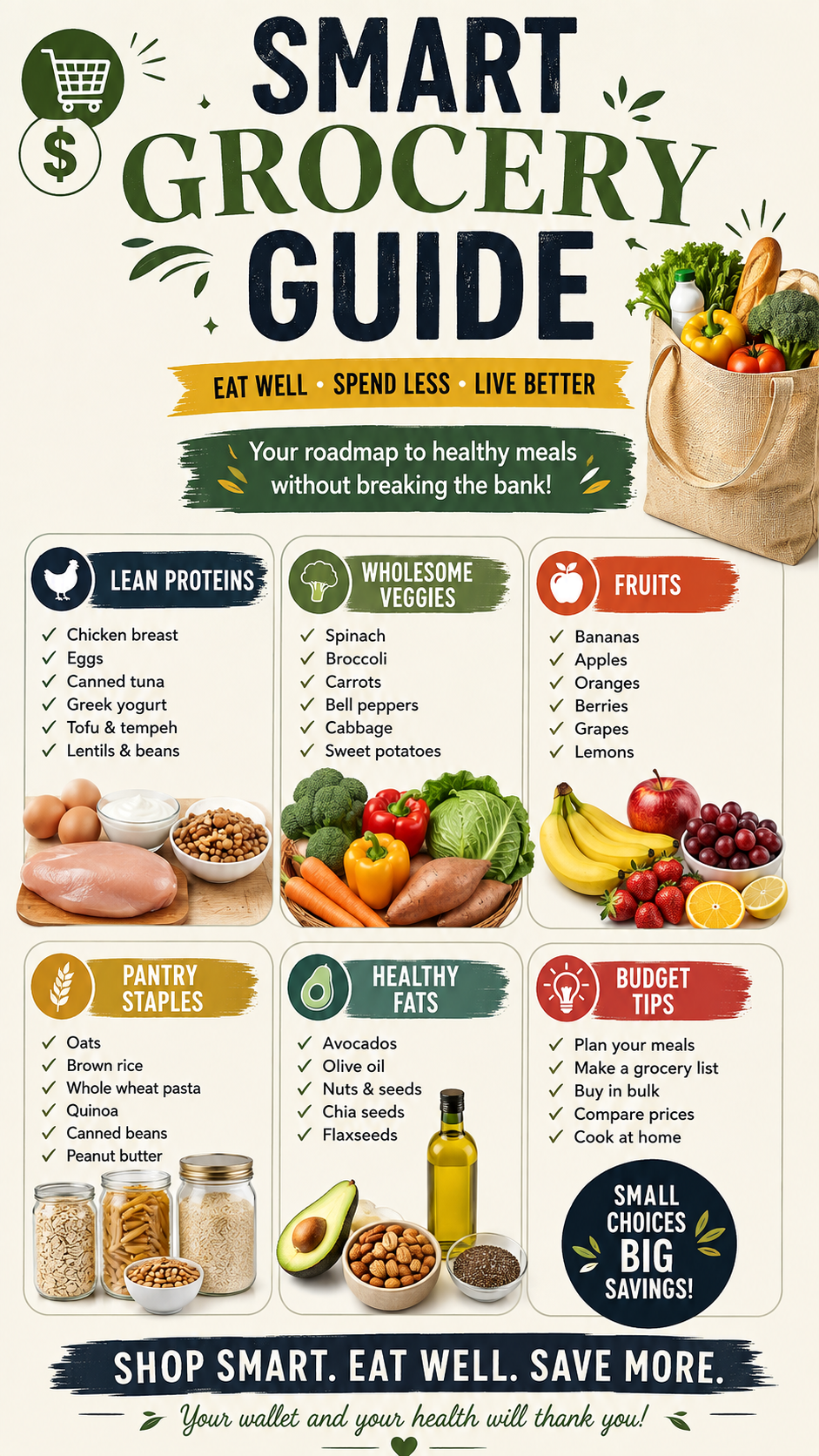
Eating healthy does not have to mean spending more at the grocery store. With the right strategy, you can build a well-balanced, nutritious diet using affordable staples that stretch your budget without sacrificing quality. Smart grocery planning, simple ingredient swaps, and thoughtful meal prep can completely transform how you shop and cook. This guide walks you through practical ways to create healthy recipes using budget-friendly ingredients that are easy to find and even easier to use.
Key Takeaways
- Healthy eating can be affordable with smart ingredient choices
- Staple foods like beans, oats, and frozen vegetables offer great value
- Meal planning helps reduce waste and save money
- Buying in bulk lowers long-term grocery costs
- Simple recipes can still be nutritious and satisfying
Build Healthy Recipes Around Budget-Friendly Staples
Creating healthy recipes starts with choosing ingredients that are both nutritious and cost-effective. Many affordable foods are packed with vitamins, minerals, and protein, making them perfect for everyday meals.
Eggs, canned tuna, beans, and lentils are excellent protein sources that cost far less than many cuts of meat. Pair these with whole grains like brown rice or whole wheat pasta to create filling and balanced meals.
Important: Building meals around low-cost staples is one of the most effective ways to maintain a healthy diet without overspending. These ingredients are versatile, long-lasting, and easy to incorporate into a variety of recipes.
Affordable Protein Options
- Eggs for breakfast scrambles or quick dinners
- Chicken thighs or breast for versatile meals
- Canned tuna for salads and sandwiches
- Greek yogurt for snacks or breakfast bowls
- Beans and lentils for soups and stews
Use Vegetables Strategically to Save More
Vegetables are essential for healthy recipes, but fresh produce can sometimes be expensive. A smart approach is to combine fresh and frozen options to maximize both nutrition and savings.
Frozen vegetables are often just as nutritious as fresh ones and last much longer. Items like broccoli, mixed vegetables, and spinach are perfect for quick meals and reduce food waste significantly.
Best Budget Vegetables to Stock
- Frozen broccoli and mixed vegetables
- Carrots and cabbage for long shelf life
- Spinach for salads and cooked dishes
- Sweet potatoes for filling, nutrient-rich meals
Why This Matters
Choosing the right mix of fresh and frozen vegetables helps you maintain a consistent supply of healthy ingredients while minimizing waste and grocery costs.
Incorporate Budget-Friendly Fruits for Balanced Meals
Fruits add natural sweetness, fiber, and essential nutrients to your meals. Affordable options like bananas, apples, and oranges are easy to include in breakfasts, snacks, and desserts.
Frozen berries are another excellent option, especially when fresh berries are out of season. They work well in smoothies, oatmeal, and yogurt bowls.
Pro Tip: Buying fruits in season or choosing frozen alternatives can significantly lower costs while still providing the same nutritional benefits.
Stock a Smart Pantry for Easy Healthy Recipes
A well-stocked pantry is the foundation of budget-friendly cooking. When you have essential ingredients on hand, it becomes easier to prepare healthy meals without last-minute grocery trips.
Pantry Staples to Always Have
- Old-fashioned oats for breakfast or baking
- Brown rice and quinoa for hearty meals
- Whole wheat pasta for quick dinners
- Whole grain bread for sandwiches and toast
These items are inexpensive, versatile, and have a long shelf life, making them ideal for consistent meal planning.
Healthy Fats That Fit Your Budget
Healthy fats are an important part of balanced recipes. They add flavor, improve satiety, and support overall health.
Affordable options like olive oil, peanut butter, and seeds can easily be added to meals. Buying nuts and seeds in bulk can also reduce costs over time.
Simple Ways to Add Healthy Fats
- Drizzle olive oil over roasted vegetables
- Add peanut butter to smoothies or toast
- Sprinkle seeds over salads or yogurt
- Snack on almonds in controlled portions
Important: Including healthy fats in your meals not only improves flavor but also helps keep you full longer, reducing unnecessary snacking and overall food expenses.
Smart Grocery Shopping Tips for Healthy Eating
Shopping smart is just as important as choosing the right ingredients. A few simple habits can make a big difference in your grocery bill.
- Make a grocery list before shopping
- Compare unit prices to find the best value
- Buy store brands instead of name brands
- Plan meals around weekly sales
- Cook in batches to save time and reduce waste
These strategies help you stay focused, avoid impulse purchases, and make the most of your budget.
Easy Healthy Recipe Ideas on a Budget
Once your kitchen is stocked with the right ingredients, creating meals becomes simple. You can mix and match staples to create a variety of dishes.
Quick Meal Ideas
- Vegetable stir-fry with brown rice
- Lentil soup with whole grain bread
- Chicken and roasted vegetables
- Oatmeal topped with fruit and seeds
- Greek yogurt with frozen berries
These meals are not only affordable but also balanced, providing a mix of protein, fiber, and healthy fats.
Meal Planning for Long-Term Savings
Meal planning is one of the most powerful tools for staying on budget while eating healthy. It helps you use ingredients efficiently and reduces food waste.
Start by planning a few meals for the week using overlapping ingredients. For example, a batch of cooked rice can be used in multiple recipes, from stir-fries to bowls.
Pro Tip: Preparing meals in batches not only saves money but also reduces daily cooking time, making it easier to stick to healthy eating habits.
At a Glance
- Choose affordable, nutrient-dense ingredients
- Use frozen foods to reduce waste
- Plan meals ahead to stay organized
- Cook in batches for efficiency
- Focus on simple, balanced recipes
Conclusion
Healthy recipes do not require expensive ingredients or complicated techniques. With a thoughtful approach to grocery shopping and meal planning, you can create delicious, nutritious meals that fit comfortably within your budget. By focusing on affordable staples, incorporating a mix of fresh and frozen foods, and using simple cooking methods, healthy eating becomes both accessible and sustainable.
Small changes in how you shop and cook can lead to big improvements in your overall lifestyle. With these practical tips and ideas, you are well-equipped to enjoy balanced meals while keeping your grocery spending under control.