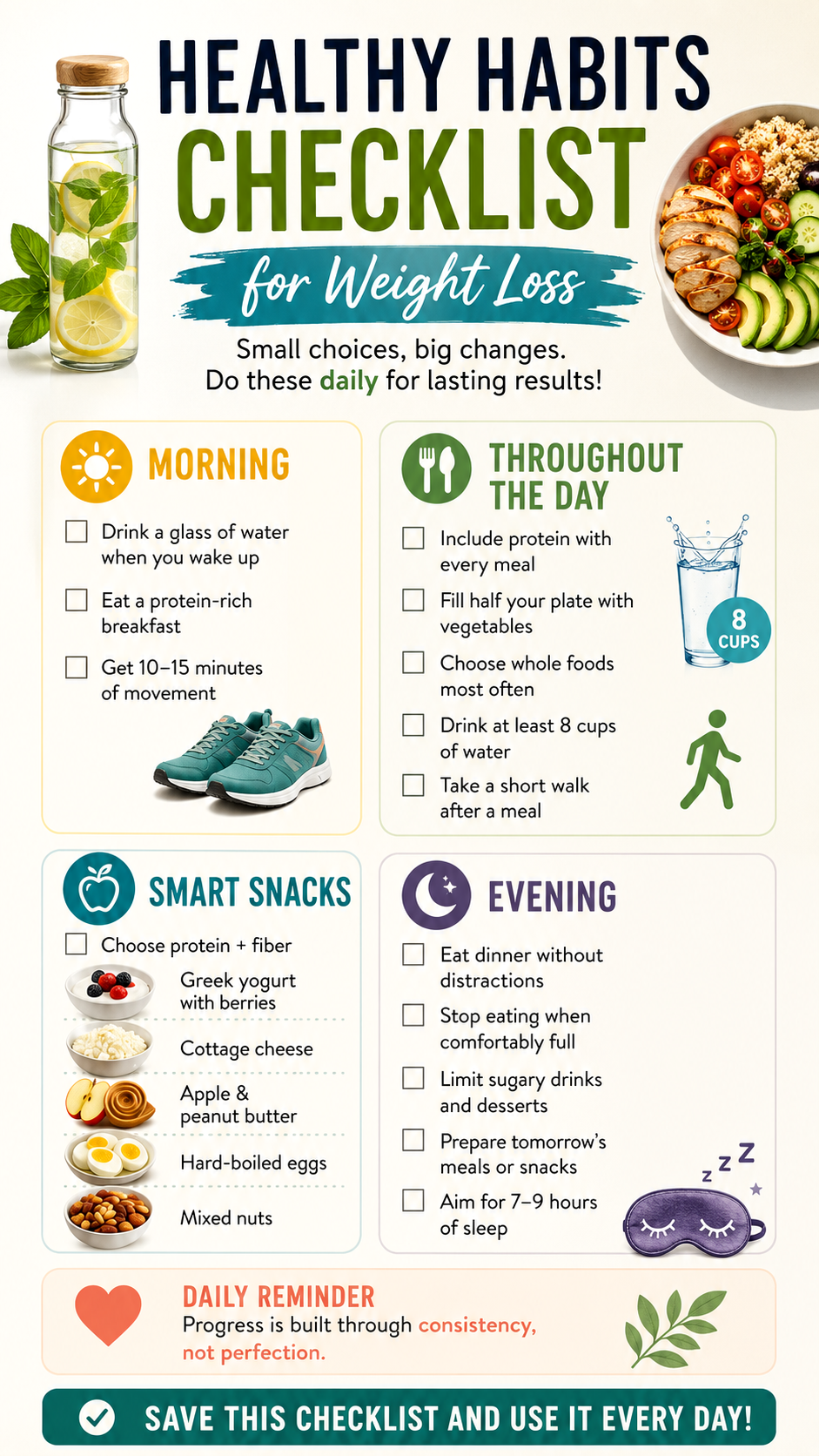
Building healthier habits does not require a complete lifestyle overhaul. Small, consistent choices often have the greatest impact over time. A balanced approach that combines nutritious meals, proper hydration, regular movement, mindful eating, and quality sleep creates a strong foundation for long-term wellness. Healthy recipes play an important role because they make it easier to enjoy nourishing foods while supporting weight management and overall health. Instead of focusing on restrictive diets, creating enjoyable meals with wholesome ingredients encourages consistency and makes healthy living feel sustainable.
Key Takeaways
- Focus on whole, nutrient-dense ingredients for satisfying meals.
- Stay hydrated throughout the day to support energy and wellness.
- Include lean protein, vegetables, and healthy fats in every meal.
- Practice mindful eating instead of rushing through meals.
- Healthy habits become easier when repeated consistently.
Healthy Recipes Begin with Healthy Habits
Every nutritious meal is part of a bigger picture. Healthy recipes provide the fuel your body needs, but daily habits determine how successful your wellness journey becomes. Drinking enough water, planning balanced meals, eating enough protein, and choosing whole foods consistently all work together to support your goals.
Rather than chasing quick fixes, focus on creating meals that are colorful, satisfying, and packed with nutrients. A healthy eating routine should leave you feeling energized instead of restricted.
Important: Long-lasting progress comes from consistency. Preparing nutritious meals most days of the week is often more effective than following a strict eating plan for only a short period.
The Foundation of Balanced Healthy Recipes
Creating balanced meals becomes much easier when you understand the basic building blocks of good nutrition. Every meal should aim to provide a satisfying combination of protein, fiber, healthy fats, and complex carbohydrates.
Lean Protein
Protein helps support muscle maintenance while promoting fullness. Great choices include:
- Chicken breast
- Turkey
- Fish
- Eggs
- Greek yogurt
- Cottage cheese
- Beans and lentils
- Tofu
Colorful Vegetables
Vegetables provide vitamins, minerals, antioxidants, and fiber while naturally adding volume to meals. Filling half your plate with vegetables is a simple strategy that works for nearly every eating style.
Healthy Fats
Foods like avocado, olive oil, seeds, and nuts contribute healthy fats that improve flavor while helping keep you satisfied.
Complex Carbohydrates
Whole grains, sweet potatoes, oats, quinoa, and brown rice provide steady energy while delivering valuable fiber.
Expert Insight
Healthy recipes do not need to eliminate favorite foods. Building meals around nutritious ingredients while allowing flexibility creates an eating pattern that is easier to maintain for months and years.
Simple Healthy Breakfast Ideas
Breakfast can provide lasting energy for the day when it includes protein and fiber.
- Greek yogurt with berries and chia seeds
- Vegetable omelet with whole grain toast
- Protein oatmeal topped with fruit
- Smoothie with spinach, banana, berries, and protein-rich yogurt
- Cottage cheese with sliced peaches and almonds
These breakfasts are easy to prepare while helping reduce unnecessary snacking later in the day.
Nutritious Lunch and Dinner Recipes
Lunch and dinner should be balanced enough to satisfy hunger while providing steady energy.
Easy Meal Formula
- Half your plate with vegetables
- One serving of lean protein
- One serving of whole grains or starchy vegetables
- A healthy fat for flavor and satisfaction
This simple approach works whether you’re preparing grilled chicken, baked salmon, turkey bowls, vegetable stir fry, or hearty bean chili.
Pro Tip: Batch cooking proteins, chopping vegetables, and preparing grains in advance makes healthy recipes much easier to assemble during busy weekdays.
Healthy Snack Ideas That Keep You Full
Smart snacks help maintain energy between meals while preventing overeating later.
- Greek yogurt with fresh berries
- Apple slices with natural peanut butter
- Hard-boiled eggs
- Cottage cheese with fruit
- Mixed nuts in moderate portions
- Fresh vegetables with hummus
Choosing snacks that combine protein and fiber provides longer-lasting satisfaction than highly processed snack foods.
Hydration Is Part of Healthy Eating
Water supports digestion, physical performance, and normal body functions. Drinking water regularly throughout the day can also help distinguish true hunger from thirst.
Keeping a reusable water bottle nearby serves as a helpful reminder to stay hydrated. Pairing hydration with balanced meals makes healthy recipes even more effective as part of an overall wellness routine.
Mindful Eating Makes a Difference
Healthy eating is about more than ingredients. Paying attention during meals helps you recognize hunger and fullness signals more accurately.
- Eat slowly.
- Reduce distractions during meals.
- Enjoy each bite.
- Stop when comfortably satisfied.
- Avoid rushing through meals.
Important: Mindful eating encourages a healthier relationship with food by helping you appreciate meals without feeling deprived or overly restrictive.
Meal Planning for Long-Term Success
Planning meals ahead reduces decision fatigue and makes healthier choices more convenient.
Weekly Planning Tips
- Create a simple menu for the week.
- Shop using a grocery list.
- Prep vegetables ahead of time.
- Cook extra portions for leftovers.
- Keep healthy snacks readily available.
Meal preparation saves time while reducing the temptation to rely on highly processed convenience foods.
At a Glance
- Choose whole foods whenever possible.
- Include protein in every meal.
- Drink plenty of water throughout the day.
- Prepare meals ahead to stay consistent.
- Practice mindful eating habits daily.
Healthy Living Goes Beyond Recipes
Nutritious meals are only one part of a balanced lifestyle. Daily movement, quality sleep, hydration, stress management, and consistent routines all support your overall health. Even short walks, regular exercise, and getting enough sleep contribute to feeling your best.
When healthy recipes become part of an enjoyable lifestyle instead of a temporary diet, maintaining your goals becomes much more realistic and rewarding.
Conclusion
Healthy recipes are more than a collection of nutritious meals. They provide an opportunity to build sustainable habits that support long-term wellness. By choosing whole ingredients, eating balanced meals, staying hydrated, planning ahead, and practicing mindful eating, you create a routine that is both enjoyable and realistic. Remember that lasting success comes from making small improvements consistently. Every healthy choice contributes to a stronger, healthier future.
Tags
Healthy Recipes Weight Loss Healthy Eating Meal Prep Whole Foods Nutrition Healthy Lifestyle Balanced Diet