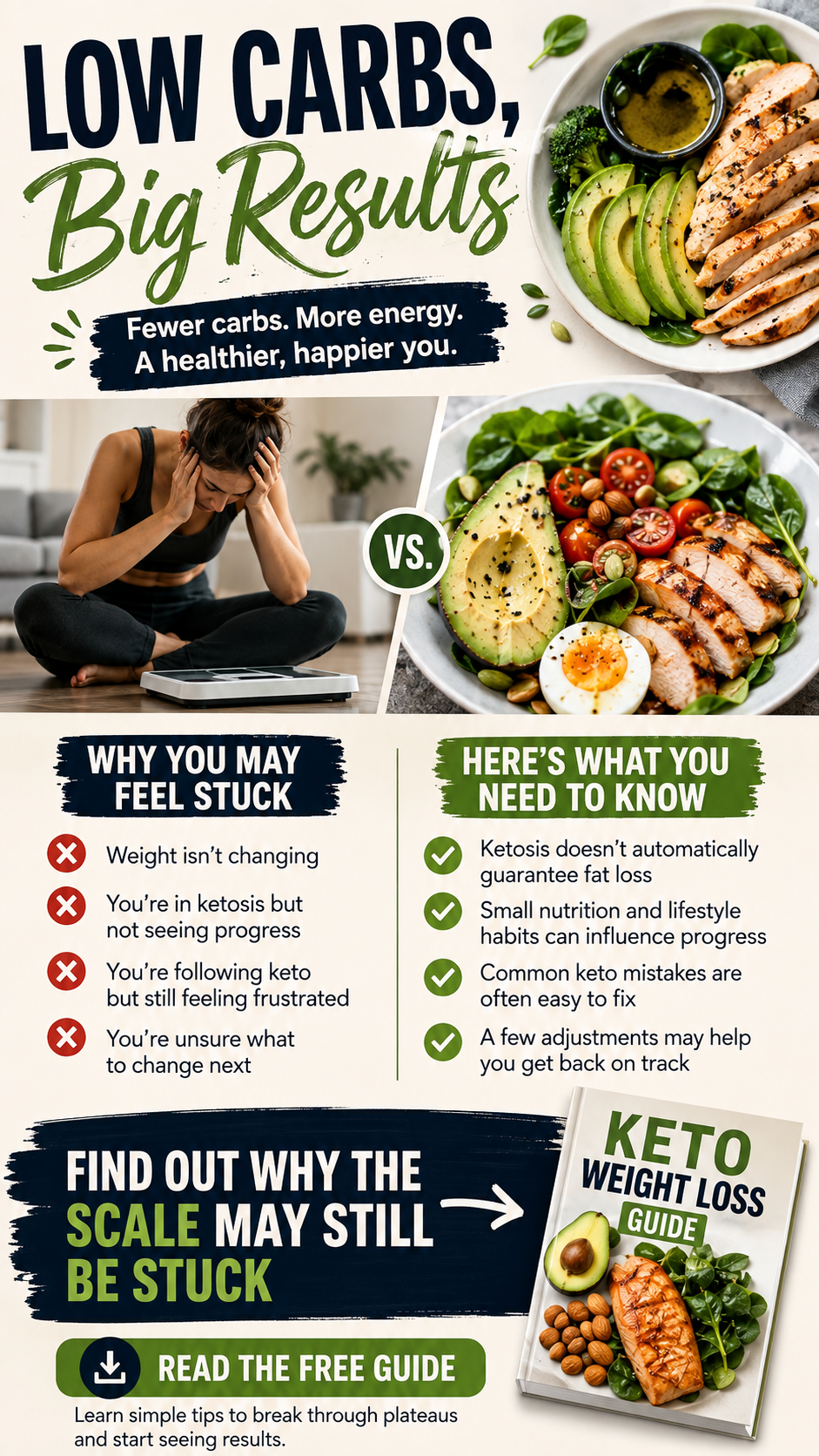
Cutting carbohydrates is often one of the first strategies people try when pursuing better health or weight loss. Many choose a ketogenic or low carb lifestyle with the expectation that the number on the scale will quickly move in the right direction. While reducing carbohydrate intake can be effective for many individuals, lasting success depends on much more than simply eliminating bread, pasta, or sugary snacks. Healthy recipes, balanced nutrition, consistent habits, and realistic expectations all work together to create meaningful progress.
When weight loss slows or reaches a plateau, it does not always mean your efforts have failed. It may simply be a sign that your body has adapted or that small adjustments are needed. Understanding the bigger picture can help you stay motivated while continuing to enjoy delicious, satisfying meals that support your goals.
Key Takeaways
- Healthy recipes should focus on whole, nutrient-dense ingredients.
- Weight loss plateaus are common and often temporary.
- Quality sleep, hydration, and activity influence results.
- Balanced meals help improve satisfaction and consistency.
- Small lifestyle adjustments often produce meaningful improvements.
Why Healthy Recipes Matter Beyond Weight Loss
Healthy eating is about far more than reaching a target weight. Nutritious meals fuel daily activities, support energy levels, encourage better focus, and help maintain overall wellness. A plate filled with lean proteins, healthy fats, colorful vegetables, and minimally processed ingredients provides your body with valuable nutrients while helping you stay full for longer.
Important: Sustainable nutrition is built on consistency rather than perfection. A collection of satisfying, healthy recipes makes it easier to maintain positive habits without feeling deprived.
Understanding a Weight Loss Plateau
A weight loss plateau occurs when progress slows despite continuing healthy habits. This experience is incredibly common and should not automatically be viewed as failure. As your body changes, calorie requirements, activity levels, and metabolism naturally adjust.
Common Reasons Progress Slows
- Your calorie needs have changed as you’ve lost weight.
- Portion sizes have gradually increased.
- Physical activity has become less challenging.
- Stress or poor sleep is affecting hormones related to hunger.
- Water retention temporarily masks fat loss.
Instead of making drastic changes, evaluate your overall routine. Small improvements are usually easier to maintain and often deliver better long-term results than extreme restrictions.
Expert Insight
Weight management is influenced by nutrition, movement, recovery, hydration, and consistency. Looking at your entire lifestyle often reveals opportunities that are easy to improve without completely changing your eating plan.
Building Balanced Healthy Recipes
The best healthy recipes combine flavor with nutrition. Whether following a ketogenic eating pattern or simply reducing processed foods, aim to create meals that provide balance and variety.
Prioritize Protein
Protein helps maintain muscle, supports recovery, and promotes fullness after meals. Excellent choices include chicken, turkey, fish, eggs, lean beef, tofu, and Greek yogurt.
Choose Healthy Fats
Healthy fats contribute to satisfying meals while supporting overall nutrition. Avocados, olive oil, nuts, seeds, and fatty fish are popular options that pair well with vegetables and proteins.
Add Plenty of Vegetables
Leafy greens, broccoli, zucchini, cauliflower, peppers, asparagus, spinach, and cucumbers add vitamins, minerals, and fiber while keeping meals colorful and enjoyable.
Pro Tip: Instead of focusing only on what to eliminate, think about what nutritious foods you can add. Filling your plate with wholesome ingredients naturally creates satisfying meals that are easier to maintain.
Simple Habits That Support Better Results
Healthy recipes work best when combined with supportive daily habits. Lifestyle choices often have just as much influence on progress as the meals themselves.
Stay Hydrated
Proper hydration supports digestion, exercise performance, and overall well-being. Sometimes thirst can even be mistaken for hunger.
Improve Sleep Quality
Consistent sleep helps regulate hormones that influence appetite and recovery. Even nutritious meals may not deliver their full benefits if sleep is consistently interrupted.
Keep Moving
Regular walking, resistance training, cycling, swimming, or other enjoyable activities help support cardiovascular health while complementing a nutritious eating plan.
Healthy Meal Ideas for Everyday Success
Breakfast
- Vegetable omelet with avocado.
- Greek yogurt topped with nuts and seeds.
- Egg muffins prepared ahead for busy mornings.
Lunch
- Grilled chicken salad with olive oil dressing.
- Salmon served over mixed greens.
- Lettuce wraps filled with lean turkey and vegetables.
Dinner
- Baked salmon with roasted broccoli.
- Grilled steak alongside cauliflower mash.
- Chicken cooked with zucchini and mushrooms.
Smart Snacks
- Mixed nuts in moderate portions.
- Cheese with cucumber slices.
- Boiled eggs.
- Celery with natural nut butter.
Mistakes That Can Slow Progress
Even nutritious eating plans can become less effective if certain habits develop over time.
- Underestimating portion sizes.
- Choosing highly processed convenience foods too often.
- Ignoring stress management.
- Skipping meals and overeating later.
- Expecting immediate results instead of long-term consistency.
Important: Healthy eating should feel sustainable. If your routine becomes difficult to maintain, simplify your meals, prepare food in advance, and focus on habits you can continue for months instead of days.
Tracking Progress Beyond the Scale
The scale tells only part of the story. Improvements in energy, strength, endurance, clothing fit, sleep quality, and confidence are equally meaningful signs that healthy habits are making a positive difference.
Taking occasional progress photos, recording workouts, or keeping a simple nutrition journal can provide motivation even during periods when body weight remains stable.
At a Glance
- Focus on nutrient-dense whole foods.
- Expect occasional plateaus during long-term weight loss.
- Support healthy eating with sleep, hydration, and movement.
- Measure success using more than the number on the scale.
Conclusion
Healthy recipes are valuable tools for anyone looking to improve their lifestyle, manage weight, or simply enjoy nourishing meals. Whether you prefer a ketogenic approach, lower carbohydrate meals, or a more balanced eating style, lasting success comes from creating habits you can realistically maintain.
Instead of becoming discouraged by temporary plateaus, view them as opportunities to reassess your routine and make thoughtful improvements. Continue choosing wholesome ingredients, preparing satisfying meals, staying active, and giving your body the support it needs. Small, consistent actions often produce the biggest long-term results, helping you build a healthier lifestyle one meal at a time.
Tags
Healthy Recipes Keto Diet Weight Loss Low Carb Meals Meal Planning Healthy Lifestyle Nutrition Tips Clean Eating