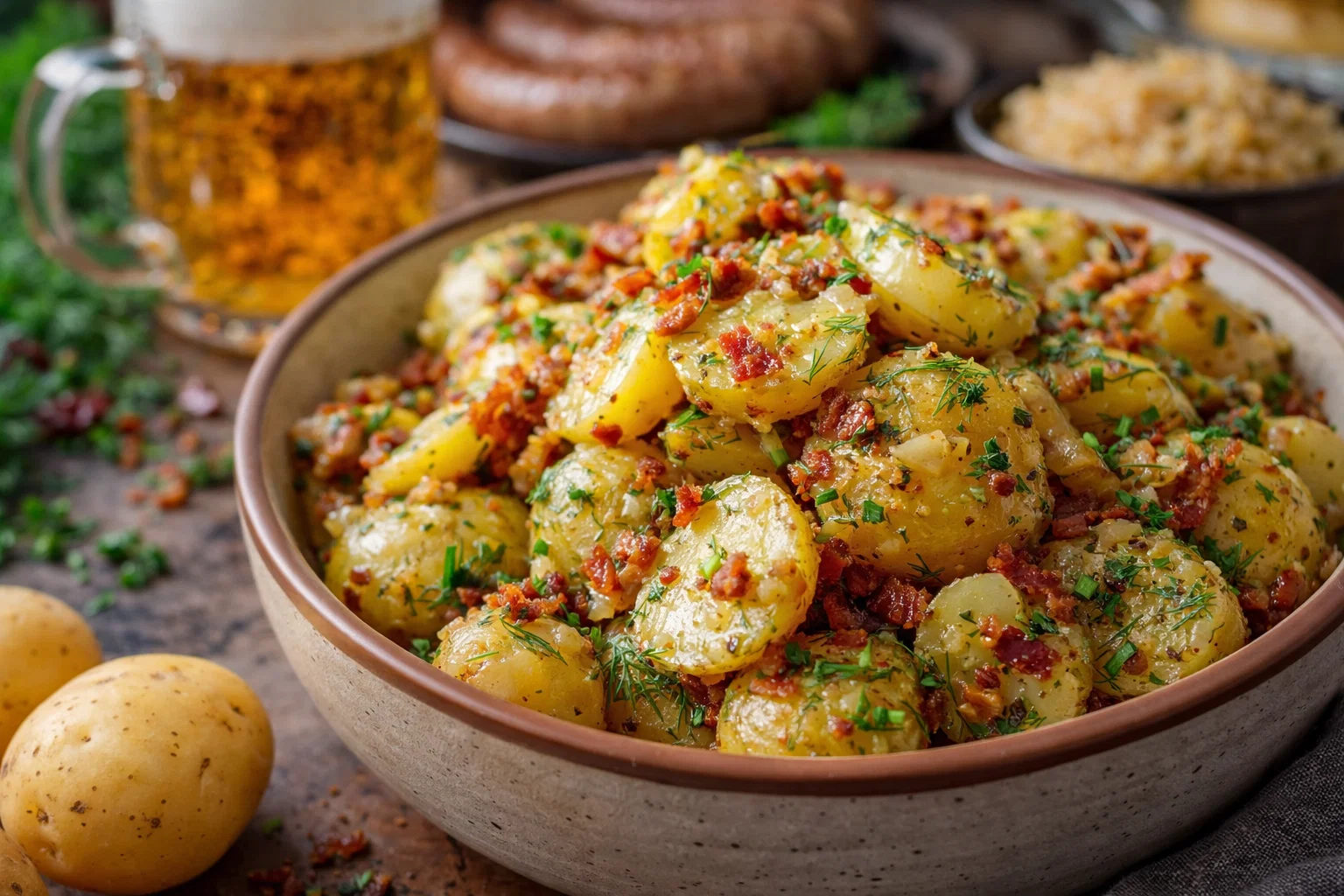
I Can’T Stop Making This Traditional German Side Dish: A Tropical Delight
Introduction to I Can’T Stop Making This Traditional German Side Dish
If you are searching for an easy addition to your dinner recipes that is both authentic and delicious, look no further than this classic German side dish. With its tantalizing flavor and simple preparation, this dish is an excellent choice for home cooks of all skill levels. Whether you’re a busy parent looking for a quick meal solution, a student on a budget, or a seasoned chef seeking to wow your guests, this traditional German side dish is versatile and satisfying.
Not only is it easy to make, but it also boasts several health benefits. Packed with wholesome ingredients, this recipe can be effortlessly adapted to suit various dietary needs. Whether you’re vegan, gluten-free, or simply seeking a healthier option, this dish can be customized without sacrificing flavor. It’s also perfect for various occasions, from casual family dinners to festive gatherings.
In the following sections, we will delve into the benefits of making this delightful side dish, provide a comprehensive list of ingredients, and guide you step by step through the cooking process. Get ready to discover a culinary gem that you won’t be able to resist making over and over again!
Benefits and Advantages of I Can’T Stop Making This Traditional German Side Dish
Let’s explore what makes this German side dish a standout in the world of dinner recipes. First and foremost, its simplicity is a significant advantage. With just a handful of ingredients, you can create a tasty accompaniment that complements various main dishes—be it roasted meat, grilled vegetables, or even a hearty plant-based entrée.
Health Benefits
In addition to its ease of preparation, this side dish is incredibly nutritious. Here are some key health benefits:
- Rich in Nutrients: The primary ingredients are often vegetables and herbs rich in vitamins, minerals, and fiber, supporting a balanced diet.
- Low in Calories: When prepared using fresh, minimally processed ingredients, this dish is relatively low in calories, making it suitable for those who are calorie-conscious.
- Customizable Nutrition: With the option to use gluten-free grains, low-fat dairy, or plant-based proteins, you can easily adapt this dish to align with your dietary preferences.
Versatility
One of the most exciting aspects of this traditional German side dish is its versatility. It pairs beautifully with a wide array of main courses, making it perfect for any occasion. Whether you’re preparing a festive holiday meal or a quick weeknight dinner, this dish will elevate your table. Moreover, it’s equally delightful served warm or cold, allowing for creative leftovers the next day.
As you can see, the benefits of this traditional German side dish extend beyond its delicious taste. Its simplicity, health benefits, and adaptability are just a few reasons why it deserves a place in your kitchen repertoire.
Ingredients Overview
Essential Ingredients for I Can’T Stop Making This Traditional German Side Dish
To prepare this traditional German side dish, you’ll need the following ingredients. Each ingredient plays a specific role for flavor and texture:
- Potatoes (2 lbs)
- Base of the dish, provides starchiness and comfort.
-
Option: Sweet potatoes for extra nutrition (gluten-free, vegan).
-
Onion (1 medium, diced)
- Adds depth and sweetness.
-
Option: Use shallots for a subtler flavor.
-
Vegetable Broth (2 cups)
- Enhances flavor while keeping the dish moist.
-
Option: Low-sodium broth for a healthier option (vegan, gluten-free).
-
Olive Oil (1/4 cup)
- For sautéing the vegetables and enriching flavor.
-
Option: Avocado oil for a high smoke point (vegan, gluten-free).
-
Fresh Parsley (1/4 cup, chopped)
- Brightens the dish with its fresh flavor.
-
Option: Use green onions for a milder taste.
-
Salt and Pepper (to taste)
- Essential seasonings to enhance flavors.
By selecting fresh, high-quality ingredients, you can create a dish that’s not only satisfying but also bursting with vibrant flavors.
Dietary Substitutions to Customize Your I Can’T Stop Making This Traditional German Side Dish
This recipe is incredibly adaptable, allowing for various substitutions based on dietary requirements or ingredient availability:
- Vegan Option: Replace vegetable broth with a vegan-friendly version. Ensure any cheese used is plant-based.
- Gluten-Free Option: This dish is naturally gluten-free as it primarily uses vegetables and broth.
- Low-Calorie Option: Use less oil, or substitute with a cooking spray to reduce calorie intake while still achieving that perfect sauté.
Considering these substitutions ensures that everyone can enjoy this delightful side dish, no matter their dietary restrictions.
How to Prepare the Perfect I Can’T Stop Making This Traditional German Side Dish: Step-by-Step Guide
Now that we’ve covered the ingredients and their benefits, let’s dive into the step-by-step process for preparing this traditional German side dish. Follow these clear instructions for an easy cooking experience:
- Prepare the Base:
-
Begin by peeling the potatoes and cutting them into small, even-sized cubes. This will ensure they cook uniformly. Rinse the cubed potatoes under cold water to remove excess starch.
-
Sauté the Onion:
-
In a large skillet or pot, heat the olive oil over medium heat. Add the diced onion and sauté for about 5 minutes until translucent and slightly golden.
-
Cook the Potatoes:
-
Add the cubed potatoes to the skillet. Stir well to coat them in the oil. Sauté for another 5-7 minutes, allowing the potatoes to slightly brown. This technique enhances their flavor.
-
Add the Broth:
-
Pour in the vegetable broth, bringing the mixture to a gentle boil. Reduce the heat to low and cover the skillet. Allow the potatoes to simmer for about 15-20 minutes, or until they are fork-tender.
-
Season the Dish:
-
Once the potatoes are cooked, season with salt and pepper according to your taste. It’s essential to taste as you go!
-
Incorporate Fresh Herbs:
-
Stir in the chopped parsley, mixing thoroughly to distribute the fresh flavor throughout the dish.
-
Final Touches:
-
If desired, you can sprinkle additional herbs or a squeeze of lemon juice for brightness before serving.
-
Serve and Enjoy:
- Serve warm alongside your favorite main dishes, and enjoy the delightful flavors of this traditional German side dish.
This recipe not only provides a delicious side option but also serves as a base for creativity. You can add your favorite vegetables or proteins to make it even more wholesome.
Mastering I Can’T Stop Making This Traditional German Side Dish: Advanced Tips and Variations
To elevate your experience with this traditional German side dish, consider these advanced tips and exciting variations:
-
Experiment with Spices:
Incorporate spices like smoked paprika or nutmeg for added depth. A touch of garlic can also elevate the overall flavor profile. -
Add Protein:
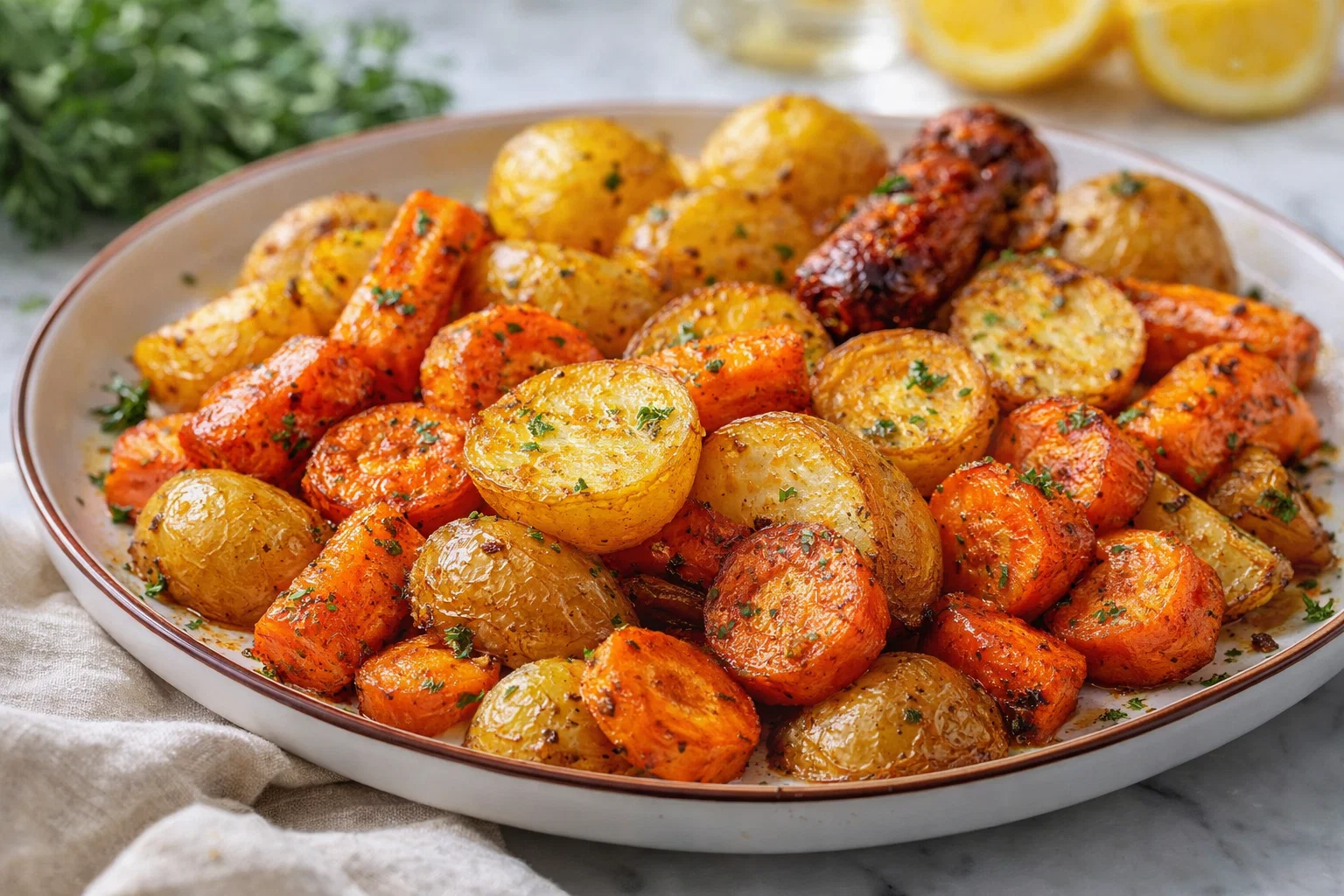
For a heartier meal, consider mixing in cooked sausages or chickpeas. This addition makes the dish more filling and turns it into a complete dinner option. -
Herbed Variations:
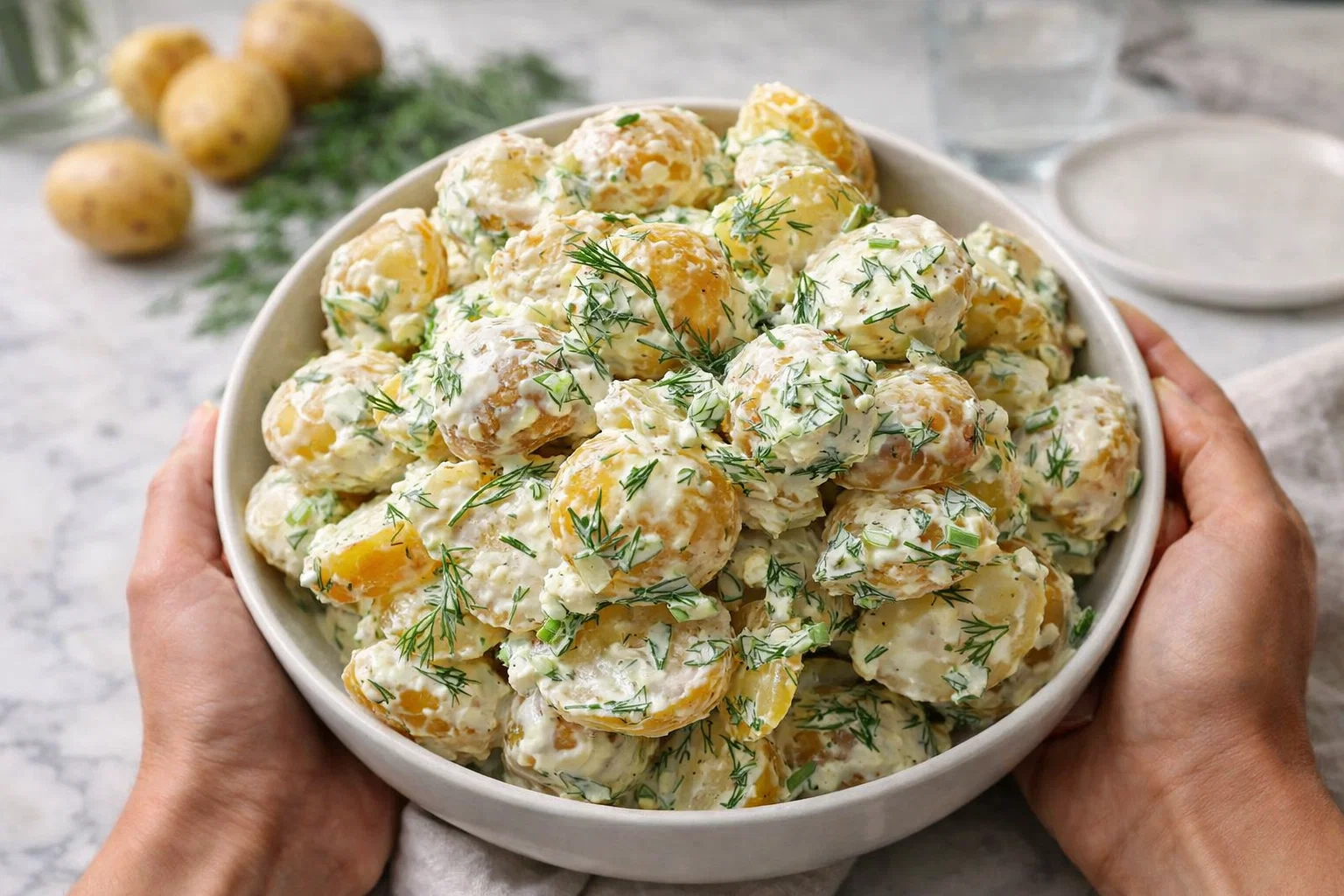
Switch out parsley for dill or chives to give it a fresh twist on the traditional flavor. Experimenting with different herbs can reinvigorate the dish each time you prepare it. -
Texture Additions:
Try garnishing with toasted nuts or seeds like sunflower seeds or almonds for a satisfying crunch. This addition also introduces healthy fats and protein.
Maximizing your enjoyment of this dish can lead to creating new family favorites, making it an exciting culinary adventure.
How to Store I Can’T Stop Making This Traditional German Side Dish: Best Practices
Proper storage can help you maximize the lifespan and flavor of this traditional German side dish. Here are the best practices for refrigeration and reheating:
-
Refrigeration:
After cooking, allow the dish to cool to room temperature. Transfer it into an airtight container and store it in the refrigerator for up to 3-5 days. Keeping the dish sealed prevents moisture loss and flavor evaporation. -
Freezing:
If you wish to make this ahead of time, you can freeze it. Place the cooled dish into freezer-safe containers, leaving about an inch of space at the top for expansion. This dish can be frozen for up to 2-3 months. -
Reheating:
When you’re ready to eat, thaw the frozen dish overnight in the refrigerator. Reheat it gently on the stove over low heat, adding a splash of vegetable broth or water if it seems dry. You can also reheat portions in the microwave, ensuring even heating.
Following these storage practices ensures that you enjoy the dish with all its delicious flavors intact.
Nutritional Value of I Can’T Stop Making This Traditional German Side Dish
Understanding the nutritional value of your meals is crucial for maintaining a balanced diet. Here’s a breakdown of the nutrition per serving of this delightful traditional German side dish (estimated for four servings):
- Calories: 180
- Protein: 4g
- Fat: 7g (Saturated Fat: 1g)
- Carbohydrates: 27g
- Fiber: 4g
- Sugars: 1g
- Sodium: 150mg (varies based on the broth used)
This dish is not only a great accompaniment to your meals but also provides essential nutrients to support your health and well-being.
FAQs: Frequently Asked Questions About I Can’T Stop Making This Traditional German Side Dish
Q1: Can I customize the vegetables in this dish?
Absolutely! You can incorporate seasonal vegetables like carrots, green beans, or kale for extra nutrition and flavor.
Q2: How do I make it vegan?
To ensure this dish aligns with vegan requirements, simply use vegetable broth and omit any dairy ingredients.
Q3: Can I make this dish ahead of time?
Yes, this dish can be prepared in advance. Just store it properly in the refrigerator or freezer, as previously mentioned.
Q4: What main dishes pair well with this side?
This traditional German side dish pairs well with grilled meats, roasted vegetables, and any hearty main courses like sausages or pot roasts.
Q5: Is there a quick method to prepare this side dish?
If you’re pressed for time, you can use pre-cut vegetables and store-bought broth to significantly reduce prep time.
This traditional German side dish is sure to become a staple in your dinner recipes collection. Whether enjoyed fresh or as leftovers, it’s a comforting, delightful addition to any meal. Happy cooking!