Category: None

  • Healthy Recipes for Weight Loss Simple Meals to Break Through a Weight Loss Plateau

    Healthy Recipes for Weight Loss Simple Meals to Break Through a Weight Loss Plateau

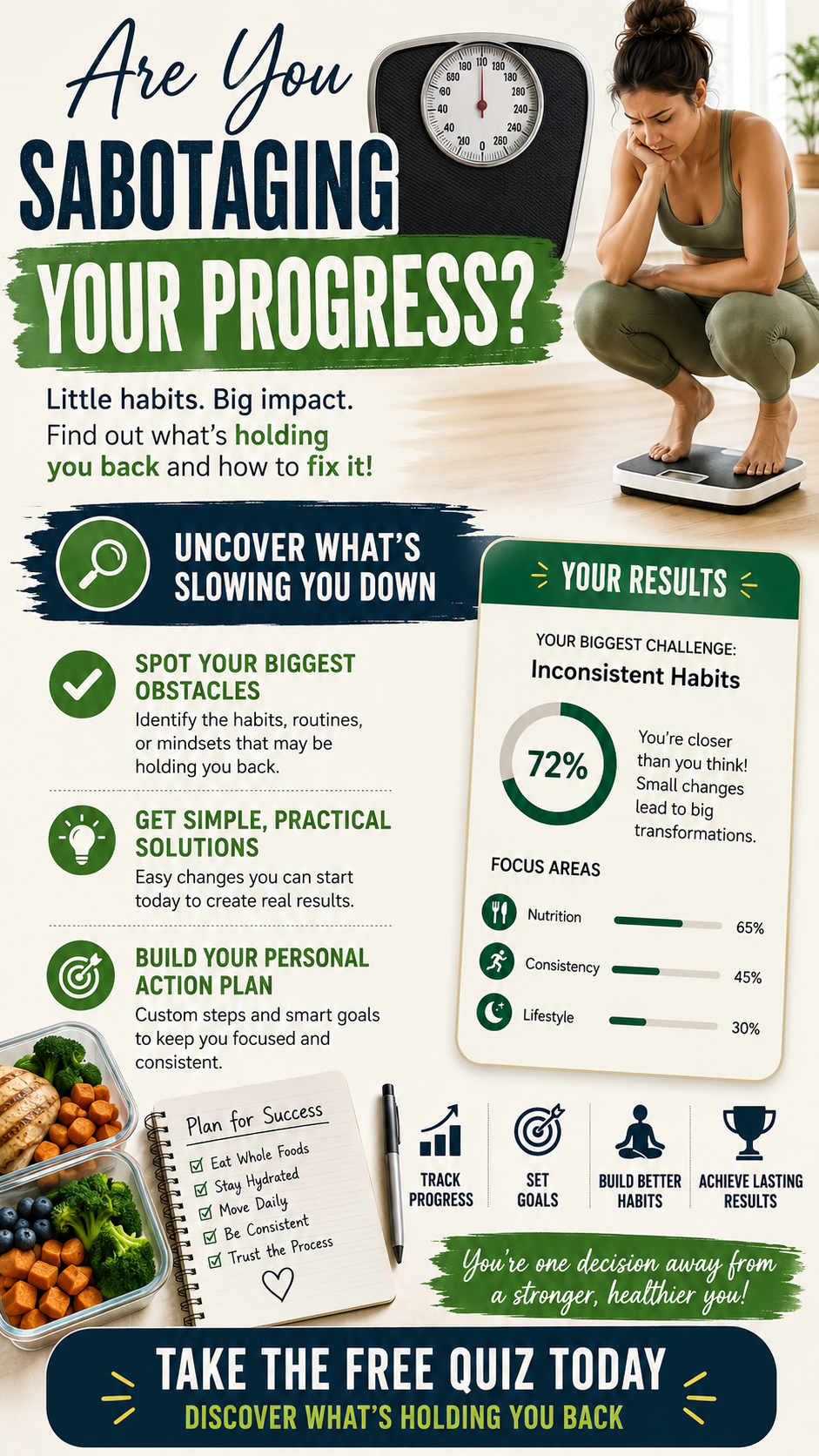
    Have you been eating healthy, exercising regularly, and staying committed to your routine, yet the number on the scale refuses to change? You’re not alone. A weight loss plateau is one of the most common challenges people experience during a wellness journey. The good news is that a stalled scale does not always mean your efforts are failing. In many cases, small daily habits, nutrition choices, consistency, and lifestyle factors play a much bigger role than most people realize. By understanding what might be slowing your progress, you can make smart adjustments that help you continue moving toward your goals while maintaining a healthy lifestyle.

    Key Takeaways

    • Weight loss plateaus are normal and often temporary.
    • Healthy recipes support consistency but work best alongside balanced habits.
    • Small lifestyle changes can have a significant impact over time.
    • Tracking meals, activity, and progress helps identify hidden obstacles.
    • Sustainable routines produce longer-lasting results than quick fixes.

    Why the Scale May Stop Moving

    Many people expect weight loss to happen in a straight line. In reality, progress naturally slows as your body adapts. Changes in metabolism, hydration, muscle gain, stress, sleep quality, and eating patterns can all influence the number you see on the scale.

    Important: The scale only measures body weight. It does not reveal improvements in body composition, strength, energy levels, or healthier eating habits. Looking beyond the number can provide a more complete picture of your progress.

    Common Reasons Progress Slows

    • Your calorie intake has gradually increased.
    • Portion sizes have become less accurate.
    • Physical activity has become less consistent.
    • Stress or poor sleep is affecting recovery.
    • Your body has adapted to your current routine.
    • You are building lean muscle while losing fat.

    Healthy Recipes Are Only One Piece of the Puzzle

    Nutritious meals are the foundation of a healthy lifestyle, but even the best healthy recipes cannot overcome inconsistent habits. Meals rich in lean protein, vegetables, whole grains, healthy fats, and fiber help support fullness and provide lasting energy throughout the day.

    Build Meals That Support Your Goals

    Rather than focusing on restrictive eating, aim for balanced plates that include a variety of nutrient-dense foods.

    1. Fill half your plate with colorful vegetables.
    2. Add lean protein such as chicken, fish, beans, or tofu.
    3. Choose whole-grain carbohydrates in moderate portions.
    4. Include healthy fats like avocado, nuts, or olive oil.
    5. Stay hydrated throughout the day.

    Simple Healthy Meal Ideas

    • Grilled chicken with roasted vegetables.
    • Greek yogurt topped with berries and seeds.
    • Quinoa salad with fresh vegetables.
    • Baked salmon with steamed broccoli.
    • Vegetable omelet with whole-grain toast.

    Expert Insight

    Many successful weight loss journeys are built on consistency rather than perfection. Preparing simple, healthy recipes you genuinely enjoy makes it easier to stay committed for months instead of days.

    The Power of Consistent Habits

    Healthy habits create lasting change because they become part of your daily routine. Small improvements repeated every day often outperform dramatic changes that are difficult to maintain.

    Pro Tip: Instead of trying to change everything at once, focus on improving one habit each week. Small wins build momentum and make healthy living feel achievable.

    Habits Worth Tracking

    • Daily water intake.
    • Meal consistency.
    • Protein consumption.
    • Daily step count.
    • Sleep duration.
    • Weekly exercise sessions.
    • Stress management activities.

    How to Break Through a Weight Loss Plateau

    If progress has slowed, avoid the temptation to drastically reduce calories or increase exercise to unhealthy levels. Instead, evaluate your routine and make thoughtful adjustments.

    Review Your Nutrition

    Track your meals for several days and look for opportunities to improve portion awareness, increase vegetables, or reduce highly processed snacks. Even nutritious foods can contribute to excess calorie intake when portions become too large.

    Increase Daily Movement

    Exercise is important, but everyday movement matters just as much. Walking more, taking the stairs, stretching regularly, and reducing long periods of sitting can all increase your overall activity level.

    Prioritize Recovery

    Quality sleep and stress management influence appetite, motivation, and recovery. Developing consistent sleep routines can support healthier choices throughout the day.

    Important: Sustainable weight management focuses on long-term health rather than chasing rapid changes. Building healthy habits you can maintain for years delivers better results than temporary dieting strategies.

    Track More Than Your Weight

    The scale is only one measurement of success. Consider monitoring other indicators that reflect improvements in your overall health.

    • Body measurements.
    • Progress photos.
    • Energy levels.
    • Strength improvements.
    • Clothing fit.
    • Sleep quality.
    • Daily mood.

    Creating an Action Plan That Works

    A personalized action plan helps transform good intentions into consistent habits. Start with realistic goals that fit your schedule and lifestyle.

    A Simple Weekly Plan

    1. Prepare healthy recipes before the week begins.
    2. Schedule exercise like an important appointment.
    3. Drink enough water every day.
    4. Track your progress without obsessing over daily weight changes.
    5. Review your habits weekly and make one small improvement.

    Staying Motivated During Your Journey

    Every wellness journey includes challenges. Temporary setbacks do not erase consistent effort. Celebrate non-scale victories, learn from obstacles, and continue building routines that support long-term success.

    Remember that healthy recipes, balanced nutrition, regular movement, quality sleep, and consistent habits all work together. When these areas improve collectively, lasting progress becomes much more achievable.

    Quick Points

    • Focus on consistency instead of perfection.
    • Choose balanced healthy recipes with plenty of protein and vegetables.
    • Track habits, not just the scale.
    • Prioritize sleep, hydration, and daily movement.
    • Celebrate every positive step forward.

    Conclusion

    Healthy living is about much more than watching the number on a scale. Lasting results come from creating balanced meals, practicing healthy daily habits, staying active, and remaining patient throughout the process. If your progress slows, treat it as an opportunity to evaluate your routine instead of giving up. Small adjustments can unlock meaningful improvements over time. Continue preparing nourishing recipes, stay consistent with your habits, and remember that sustainable progress is built one healthy choice at a time.

    Tags

    Healthy Recipes Weight Loss Healthy Eating Meal Prep Nutrition Tips Healthy Lifestyle Wellness Weight Loss Plateau

  • Healthy Keto Recipes for Weight Loss Common Mistakes and Simple Success Tips

    Healthy Keto Recipes for Weight Loss Common Mistakes and Simple Success Tips

    Healthy recipes are often associated with quick weight loss, but lasting results usually depend on more than simply choosing low carb meals or following a popular eating plan. Building a sustainable approach to nutrition means understanding how your body responds to food, making balanced choices, and avoiding common habits that can slow your progress. Whether you are following a ketogenic lifestyle or simply looking for healthier meal ideas, small adjustments can make a significant difference over time.

    Key Takeaways

    • Prioritize protein to support muscle maintenance and satiety.
    • Watch portion sizes even when eating nutritious foods.
    • Stay hydrated and maintain electrolyte balance.
    • Quality sleep and stress management play an important role in overall wellness.
    • Healthy recipes work best when combined with consistent lifestyle habits.

    Healthy Recipes Are Only Part of the Equation

    Many people believe that simply switching to healthy recipes guarantees success. While nutritious meals provide an excellent foundation, long term wellness depends on several connected habits. A balanced eating pattern supports energy levels, helps control hunger, and encourages consistency, but it works best alongside good hydration, regular movement, restful sleep, and mindful eating.

    Important: Healthy eating is not about perfection. Building consistent habits that you can maintain for months and years will almost always produce better results than following an overly restrictive routine for only a few weeks.

    Common Habits That May Slow Progress

    Eating Too Much Fat Without Enough Protein

    Healthy fats are an important part of many eating plans, especially ketogenic diets. However, focusing almost entirely on fats while overlooking protein may leave you feeling less satisfied and can make it harder to support lean muscle mass. Protein helps promote fullness and plays a key role in recovery and overall health.

    Simple Protein Sources

    • Chicken breast
    • Salmon and other fatty fish
    • Eggs
    • Greek yogurt
    • Lean beef
    • Tofu and tempeh

    Ignoring Portion Sizes

    Nutritious foods can still contribute excess calories when portions become larger than intended. Measuring ingredients occasionally and becoming familiar with serving sizes can help you enjoy healthy recipes while maintaining balance.

    Mindful eating also encourages slower meals, greater awareness of hunger signals, and better satisfaction after eating.

    Overlooking Sleep and Stress

    Nutrition is only one piece of a healthy lifestyle. Poor sleep and chronic stress may influence appetite, cravings, motivation, and daily energy. Improving bedtime routines and finding healthy ways to manage stress can complement even the best meal plan.

    Expert Insight

    Healthy recipes become much more effective when they fit naturally into your daily routine. Choose meals you genuinely enjoy so that consistency feels easier instead of becoming another short lived diet.

    Building Better Healthy Recipes

    Focus on Whole Ingredients

    Meals built around minimally processed ingredients provide excellent nutrition while offering satisfying flavors and textures.

    1. Choose colorful vegetables whenever possible.
    2. Include quality protein with each meal.
    3. Add healthy fats in appropriate amounts.
    4. Select herbs and spices to boost flavor naturally.
    5. Drink plenty of water throughout the day.

    Keep Meals Simple

    Healthy eating does not require complicated recipes. Many balanced meals can be prepared in under thirty minutes using a handful of fresh ingredients.

    Pro Tip: Prepare extra servings during dinner and enjoy the leftovers for lunch. Meal preparation saves time, reduces stress, and helps you avoid less nutritious convenience foods.

    Healthy Recipe Ideas to Try

    Breakfast

    • Vegetable omelet with avocado
    • Greek yogurt topped with berries and seeds
    • Egg muffins prepared ahead for busy mornings

    Lunch

    • Grilled chicken salad with olive oil dressing
    • Salmon with spinach and roasted vegetables
    • Lettuce wraps filled with lean turkey and fresh vegetables

    Dinner

    • Baked salmon with asparagus
    • Grilled chicken with cauliflower mash
    • Beef and vegetable stir fry with low carb vegetables

    Healthy Snacks

    • Boiled eggs
    • Mixed nuts in moderate portions
    • Cucumber slices with hummus
    • Cheese with fresh vegetables

    Practical Tips for Long Term Success

    Healthy recipes are easier to maintain when they fit your lifestyle. Instead of making dramatic changes overnight, focus on improving one habit at a time. Small daily improvements often create meaningful progress over several months.

    • Plan meals before grocery shopping.
    • Keep healthy ingredients readily available.
    • Stay consistent instead of aiming for perfection.
    • Track habits instead of focusing only on the scale.
    • Celebrate small milestones along the way.

    Important: Lasting wellness comes from creating habits you enjoy repeating. The best healthy recipes are the ones you look forward to preparing and eating on a regular basis.

    Quick Points

    • Prioritize balanced nutrition over quick fixes.
    • Include protein with every meal.
    • Monitor portions while enjoying healthy foods.
    • Support nutrition with sleep, hydration, and stress management.
    • Choose recipes you can realistically maintain.

    Conclusion

    Healthy recipes provide an excellent starting point for improving your lifestyle, but sustainable progress comes from combining nutritious meals with smart daily habits. Paying attention to protein intake, portion awareness, hydration, sleep quality, and stress management creates a stronger foundation for long term success than relying on any single eating strategy.

    As you continue exploring healthy recipes, focus on meals that are enjoyable, practical, and easy to prepare. Consistency will always outperform perfection. By making thoughtful choices each day, you can build a healthier routine that supports your goals while allowing you to enjoy delicious, satisfying food.

    Tags

    Healthy Recipes Keto Recipes Low Carb Meals Healthy Eating Meal Prep Weight Loss Tips Nutrition Wellness
  • 30-Day Walking Challenge for Weight Loss, Fitness Motivation  Healthy Lifestyle Tips

    30-Day Walking Challenge for Weight Loss, Fitness Motivation Healthy Lifestyle Tips

    Building healthy habits does not have to feel overwhelming. One of the easiest ways to improve your overall well-being is by combining nutritious eating with regular walking. A simple daily walking routine paired with healthy recipes can help you feel more energized, support your fitness goals, and create sustainable lifestyle changes that last. Whether you are just beginning your wellness journey or looking to refresh your routine, focusing on realistic daily actions often leads to the biggest long-term results.

    Walking is accessible to nearly everyone, requires minimal equipment, and fits into almost any schedule. When you fuel your body with wholesome meals and stay active through consistent movement, you create a balanced approach to healthy living that feels achievable instead of restrictive.

    Key Takeaways

    • Healthy recipes provide lasting energy for daily activities.
    • Walking consistently supports overall fitness and heart health.
    • Small daily improvements often produce long-term success.
    • Meal planning makes healthy eating easier to maintain.
    • Consistency matters more than perfection.

    Why Walking and Healthy Recipes Make the Perfect Pair

    Food and movement naturally complement one another. Nutritious meals provide the fuel your body needs, while walking helps your body use that energy efficiently. Together, they support a healthy lifestyle without requiring expensive memberships or complicated fitness plans.

    Important: Healthy living is built through consistent daily choices rather than occasional extreme efforts. A balanced meal and a short walk each day can have a meaningful impact over time.

    Benefits of Walking Every Day

    Walking offers numerous physical and mental benefits while remaining one of the easiest forms of exercise to begin.

    • Supports cardiovascular wellness.
    • Helps maintain a healthy weight.
    • Boosts daily energy.
    • Improves mood and reduces stress.
    • Strengthens muscles and endurance.
    • Fits easily into busy schedules.

    Fuel Your Walks with Healthy Recipes

    Your body performs best when it receives quality nutrition. Instead of focusing on restrictive diets, prioritize meals that include vegetables, lean proteins, whole grains, healthy fats, and fresh fruit.

    Simple Breakfast Ideas

    • Greek yogurt with berries and nuts.
    • Overnight oats with chia seeds.
    • Whole grain toast topped with avocado and eggs.
    • Fruit smoothie blended with spinach and protein.

    Balanced Lunch Options

    • Grilled chicken salad with mixed vegetables.
    • Quinoa bowls with roasted vegetables.
    • Turkey and avocado wraps.
    • Lentil soup with whole grain bread.

    Healthy Dinner Inspiration

    1. Baked salmon with roasted vegetables.
    2. Grilled chicken with brown rice and broccoli.
    3. Vegetable stir fry with tofu.
    4. Whole wheat pasta with tomato sauce and lean turkey.

    Expert Insight

    Preparing nutritious meals in advance makes it much easier to stay consistent throughout the week. Even one or two meal prep sessions can reduce unhealthy last-minute food choices.

    A Simple 30 Day Walking Routine

    Starting gradually helps your body adapt while building confidence.

    Week One

    Begin with shorter walks lasting around 15 to 25 minutes. Focus on creating the habit rather than increasing speed.

    Week Two

    Increase your walks to approximately 30 minutes while maintaining a comfortable pace.

    Week Three

    Add gentle hills or brief periods of faster walking if you feel comfortable doing so.

    Week Four

    Aim for around 45 minutes of walking or gradually work toward a higher daily step count that suits your fitness level.

    Pro Tip: Pair every walk with a water bottle, supportive walking shoes, and a nutritious snack afterward to make recovery easier and maintain consistent energy.

    Healthy Habits That Keep You Motivated

    Long-term success comes from habits that fit naturally into everyday life. Instead of chasing perfection, celebrate progress and recognize every healthy decision you make.

    • Plan meals before grocery shopping.
    • Keep healthy snacks available.
    • Schedule walks on your calendar.
    • Track your progress weekly.
    • Celebrate milestones without guilt.

    Create an Environment for Success

    Keep walking shoes near the door, prepare ingredients ahead of time, and fill a reusable water bottle each morning. Small environmental changes remove barriers and make healthy decisions feel automatic.

    Common Mistakes to Avoid

    • Trying to change everything at once.
    • Skipping meals before long walks.
    • Ignoring hydration.
    • Comparing your progress to others.
    • Giving up after missing a day.

    Remember that healthy lifestyles are flexible. Missing a workout or enjoying an occasional treat does not erase your progress. Simply return to your routine with your next meal or next walk.

    Healthy Living Is About Consistency

    Rather than searching for quick fixes, focus on routines you genuinely enjoy. Healthy recipes, regular walking, quality sleep, hydration, and stress management all work together to support lasting wellness.

    Quick Points

    • Choose whole, nutrient-rich foods most of the time.
    • Walk consistently, even if sessions are short.
    • Stay hydrated throughout the day.
    • Build habits gradually for lasting success.
    • Celebrate steady progress instead of perfection.

    Conclusion

    Healthy recipes and daily walking create a practical foundation for better living. You do not need an extreme workout plan or complicated meal strategy to see positive changes. Every balanced meal, every walk around the neighborhood, and every healthy choice contributes to a stronger body and a healthier mindset. By focusing on simple routines that fit your lifestyle, you can build momentum that continues for months and years to come. Start with one nutritious meal today, lace up your walking shoes, and enjoy the benefits of steady, sustainable progress.

    Tags

    Healthy Recipes Walking Challenge Healthy Lifestyle Weight Management Meal Prep Fitness Motivation Wellness Tips Daily Walking

  • Healthy Recipes for Better Eating, More Energy and Healthy Lifestyle Goals

    Healthy Recipes for Better Eating, More Energy and Healthy Lifestyle Goals

    Healthy eating does not have to feel complicated or restrictive. Small, intentional choices can make a meaningful difference in how you feel each day. Whether your goal is to boost energy, improve nutrition, support an active lifestyle, or simply enjoy more wholesome meals, creating healthier eating habits starts with practical steps that fit into your routine. From balanced meal prep to nutrient-rich ingredients, healthy recipes make it easier to nourish your body while still enjoying delicious flavors.

    Key Takeaways

    • Choose whole, minimally processed ingredients whenever possible.
    • Build balanced meals with protein, healthy fats, and fiber.
    • Meal prep helps save time and supports healthier decisions.
    • Small daily improvements lead to lasting healthy habits.
    • Nutritious meals can be both satisfying and flavorful.

    Why Healthy Recipes Matter

    Healthy recipes provide more than just nutritious meals. They help simplify everyday decisions, reduce reliance on highly processed foods, and encourage consistent eating habits. When meals are thoughtfully balanced, they can help maintain steady energy levels, improve satisfaction after eating, and make healthy living feel achievable.

    Important: Healthy eating is not about perfection. Choosing nourishing meals more often than not creates sustainable habits that are easier to maintain over time.

    Building a Balanced Plate

    A balanced meal combines several essential nutrients that work together to keep you feeling satisfied.

    • Lean protein: Chicken, fish, eggs, beans, tofu, or Greek yogurt.
    • Complex carbohydrates: Brown rice, quinoa, sweet potatoes, oats, or whole grains.
    • Healthy fats: Avocados, olive oil, nuts, and seeds.
    • Vegetables: A colorful variety provides vitamins, minerals, and fiber.
    • Fresh fruit: A naturally sweet way to add antioxidants and fiber.

    Combining these food groups creates meals that are filling, nutritious, and enjoyable without feeling restrictive.

    Healthy Meal Prep Makes Success Easier

    Preparing meals in advance is one of the simplest ways to support healthy eating. Having balanced meals ready reduces last-minute decisions and makes it easier to stay consistent during busy weeks.

    Simple Meal Prep Ideas

    1. Cook proteins in batches.
    2. Prepare grains for multiple meals.
    3. Wash and chop vegetables ahead of time.
    4. Store healthy snacks in portion-sized containers.
    5. Mix different ingredients throughout the week for variety.

    Expert Insight

    Consistency is often more valuable than perfection. Even preparing just two or three healthy meals in advance each week can make nutritious eating significantly easier.

    Choosing Nutrient-Dense Ingredients

    The quality of your ingredients plays a major role in creating satisfying healthy recipes. Nutrient-dense foods provide essential vitamins, minerals, protein, healthy fats, and fiber while supporting overall wellness.

    Excellent Ingredients to Include

    • Leafy greens like spinach and kale.
    • Colorful vegetables including broccoli, carrots, peppers, and tomatoes.
    • Whole grains such as quinoa and brown rice.
    • Lean proteins including chicken breast, salmon, turkey, beans, and lentils.
    • Healthy fats from olive oil, nuts, seeds, and avocado.
    • Fresh herbs and spices for natural flavor.

    Using simple ingredients allows natural flavors to shine while keeping meals fresh and satisfying.

    Pro Tip: Fill at least half of your plate with colorful vegetables to naturally increase fiber, vitamins, and overall meal satisfaction without adding unnecessary complexity.

    Healthy Recipe Ideas for Every Meal

    Breakfast

    • Greek yogurt with berries and granola.
    • Vegetable omelet with whole-grain toast.
    • Overnight oats topped with fresh fruit.
    • Green smoothie with spinach, banana, and protein.

    Lunch

    • Grilled chicken salad with mixed greens.
    • Quinoa bowl with roasted vegetables.
    • Turkey and avocado wrap.
    • Lentil soup with whole-grain bread.

    Dinner

    • Baked salmon with roasted broccoli and quinoa.
    • Grilled chicken with sweet potatoes.
    • Vegetable stir fry served over brown rice.
    • Lean turkey chili loaded with beans.

    Healthy Snacks

    • Fresh fruit with nut butter.
    • Mixed nuts.
    • Hummus with sliced vegetables.
    • Greek yogurt.
    • Homemade trail mix.

    Healthy Habits Beyond the Kitchen

    Healthy recipes are most effective when combined with positive lifestyle habits. Drinking enough water, staying physically active, getting quality sleep, and managing stress all contribute to overall wellness.

    Rather than focusing on strict rules, aim for gradual improvements that become part of your daily routine. Sustainable habits are easier to maintain and often produce the most meaningful long-term results.

    Important: Every healthy meal is an opportunity to build better habits. Progress comes from consistent choices that fit naturally into your lifestyle.

    Making Healthy Eating Enjoyable

    Healthy food should never feel boring. Experiment with herbs, spices, colorful produce, different cooking methods, and seasonal ingredients to keep meals exciting. Trying new recipes regularly can introduce fresh flavors while expanding your cooking skills.

    Presentation also matters. A colorful, thoughtfully prepared meal often feels more satisfying and encourages mindful eating. Small touches like fresh herbs, vibrant vegetables, and balanced portions can make everyday meals feel special.

    Easy Ways to Stay Motivated

    • Keep healthy ingredients stocked.
    • Create a weekly meal plan.
    • Try one new healthy recipe each week.
    • Cook larger portions for leftovers.
    • Celebrate small milestones along your wellness journey.

    At a Glance

    • Balance every meal with protein, fiber, and healthy fats.
    • Meal prep saves time and supports consistency.
    • Choose whole foods whenever possible.
    • Focus on sustainable habits instead of perfection.

    Conclusion

    Healthy recipes are an excellent foundation for building better eating habits and supporting long-term wellness. By choosing wholesome ingredients, preparing balanced meals, and making gradual improvements each day, healthy eating becomes both enjoyable and sustainable. Whether you are cooking for yourself or your family, every nutritious meal is another step toward a healthier lifestyle. Keep experimenting with fresh ingredients, stay consistent with your routine, and enjoy the lasting benefits that come from making thoughtful food choices.

    Tags

    Healthy Recipes Meal Prep Clean Eating Balanced Nutrition Healthy Lifestyle High Protein Meals Easy Healthy Meals Wellness

  • 7 Amazing Benefits of Walking Every Day for Better Health and Fitness Tips

    7 Amazing Benefits of Walking Every Day for Better Health and Fitness Tips

    Walking is one of the simplest habits you can add to your daily routine, yet it delivers an impressive range of health benefits. You do not need expensive equipment, a gym membership, or complicated workout plans to enjoy meaningful improvements in your physical and mental well-being. A comfortable pair of walking shoes and a commitment to move consistently are often enough to create lasting positive changes. Whether your goal is improving heart health, increasing energy, managing weight, or simply building healthier habits, walking offers an accessible path that fits almost every lifestyle.

    Key Takeaways

    • Walking supports cardiovascular health and overall fitness.
    • Daily walks can improve mood, energy, and sleep quality.
    • Consistency matters more than speed or distance.
    • Walking is a beginner-friendly activity suitable for most ages.
    • Small daily habits often lead to long-term healthy lifestyle changes.

    Why Walking Is One of the Best Daily Habits

    Many fitness trends come and go, but walking remains one of the most effective forms of physical activity. It is low impact, easy to adapt to different fitness levels, and can be enjoyed almost anywhere. Unlike intense workouts that may require recovery days, walking can comfortably become part of your everyday routine.

    Important: Building a healthy lifestyle does not always require dramatic changes. A consistent 20 to 30 minute walk each day can become the foundation for better health, making it easier to stay active over the long term.

    1. Supports Heart Health

    Your heart benefits from regular movement. Walking encourages healthy circulation, helps strengthen the cardiovascular system, and contributes to overall heart wellness. Consistent movement also supports healthy blood pressure and helps maintain good circulation throughout the body.

    Simple Ways to Improve Heart Health

    • Walk at a brisk but comfortable pace.
    • Aim for most days of the week.
    • Gradually increase your walking time as your fitness improves.
    • Choose enjoyable routes to stay motivated.

    2. Helps Burn Calories

    Walking naturally increases your daily energy expenditure. While it may not burn calories as quickly as high intensity exercise, the consistency of daily walking often produces better long-term results than short bursts of intense activity that are difficult to maintain.

    Combining walking with balanced nutrition creates a sustainable approach to weight management. Small improvements repeated daily often produce impressive results over time.

    3. Boosts Your Mood

    Physical activity supports emotional well-being. Even a short walk outdoors can help reduce everyday stress, improve focus, and leave you feeling refreshed. Walking also offers an opportunity to disconnect from screens, enjoy fresh air, and clear your mind after a busy day.

    Pro Tip: Try walking in a local park or quiet neighborhood. Natural surroundings can make the experience even more relaxing and enjoyable while encouraging you to maintain the habit.

    Expert Insight

    Walking becomes even more effective when it is attached to an existing daily routine. Consider walking after breakfast, during lunch breaks, or after dinner to make the habit easier to maintain.

    4. Supports Muscle and Joint Health

    Walking engages multiple muscle groups, including your legs, hips, and core. Regular movement also helps keep joints flexible while supporting balance and coordination.

    Unlike many high impact activities, walking places less stress on the joints, making it an excellent choice for beginners and older adults who want to stay active without excessive strain.

    Helpful Walking Tips

    1. Wear supportive walking shoes.
    2. Maintain an upright posture.
    3. Swing your arms naturally.
    4. Stay hydrated during longer walks.
    5. Stretch gently after finishing.

    5. Increases Daily Energy

    Although it may seem surprising, regular physical activity often helps you feel more energized. Walking encourages healthy blood flow and supports efficient oxygen delivery throughout the body, helping reduce feelings of sluggishness during the day.

    Many people discover that a short walk during the afternoon provides a healthier energy boost than relying on additional caffeine.

    6. May Improve Sleep Quality

    Healthy movement during the day often contributes to better rest at night. Establishing a consistent walking routine can help your body maintain a regular daily rhythm, making it easier to relax when bedtime arrives.

    Important: Better sleep supports nearly every aspect of health, including mood, concentration, recovery, and energy. Regular walking can become one valuable part of an overall healthy sleep routine.

    7. Builds Healthy Long-Term Habits

    The greatest benefit of walking may be its sustainability. Because it requires very little preparation, it is easier to continue for months and years. Long-term consistency often produces greater health improvements than occasional intense exercise sessions.

    Walking also encourages other healthy decisions. Many people who begin walking regularly become more interested in nutritious meals, drinking enough water, improving sleep habits, and maintaining an active lifestyle overall.

    Simple Walking Challenges to Stay Motivated

    Keeping your routine interesting helps prevent boredom and encourages long-term success. Consider adding small challenges throughout your week.

    • Walk for 20 to 30 minutes most days.
    • Take a short walk after meals.
    • Park farther away during errands.
    • Invite a friend or family member to join you.
    • Listen to your favorite podcast or music while walking.
    • Track your daily steps with a fitness watch or smartphone.

    Pair Walking With Healthy Nutrition

    Walking and healthy eating naturally complement each other. Nutritious meals provide the energy needed for daily movement, while regular activity helps support an active lifestyle.

    Healthy Habits That Work Together

    • Drink plenty of water throughout the day.
    • Include fruits and vegetables in every meal.
    • Choose lean protein sources.
    • Eat whole grains for lasting energy.
    • Prepare balanced meals ahead of time.

    Making Walking Part of Your Routine

    You do not need perfect conditions to start. Begin with manageable goals that fit your schedule. Even ten minute walks throughout the day can add up and contribute to your weekly activity.

    Celebrate small milestones, stay flexible, and remember that consistency is more valuable than perfection. Every step contributes to building a healthier future.

    Quick Points

    • Walk consistently instead of occasionally.
    • Support your routine with balanced nutrition.
    • Stay hydrated and wear comfortable shoes.
    • Track progress to stay motivated.
    • Small habits create lasting results.

    Conclusion

    Walking proves that effective exercise does not need to be complicated. With benefits that support heart health, mood, energy, muscles, joints, sleep, and long-term wellness, it remains one of the easiest and most rewarding habits to develop. By combining regular walks with healthy nutrition and simple lifestyle improvements, you can create a routine that feels enjoyable, sustainable, and beneficial for years to come. Start with a few minutes today, remain consistent, and allow each step to bring you closer to your health and wellness goals.

    Tags

    Walking Benefits Healthy Lifestyle Daily Exercise Heart Health Fitness Tips Wellness Healthy Habits Active Living