Category: casserole

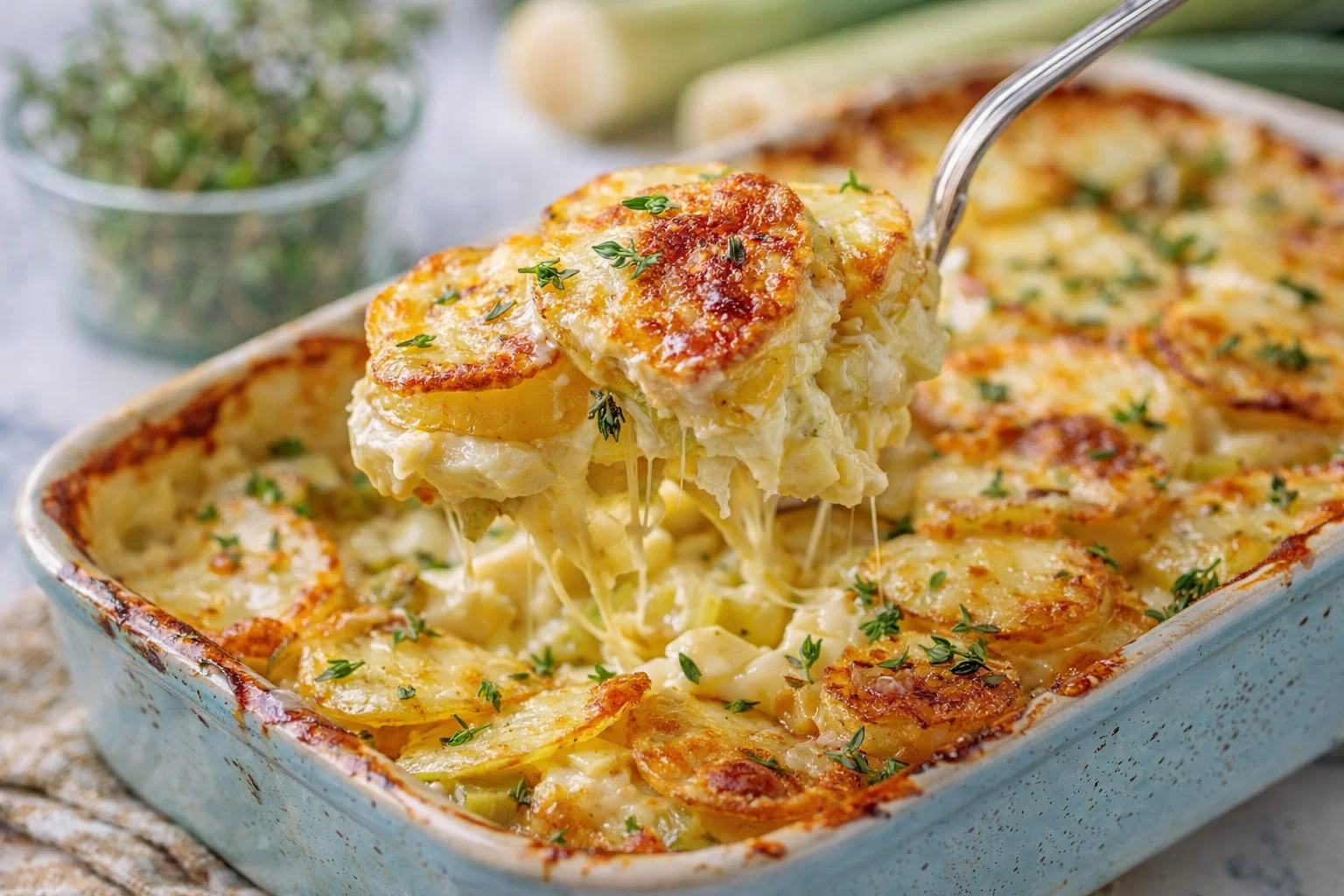
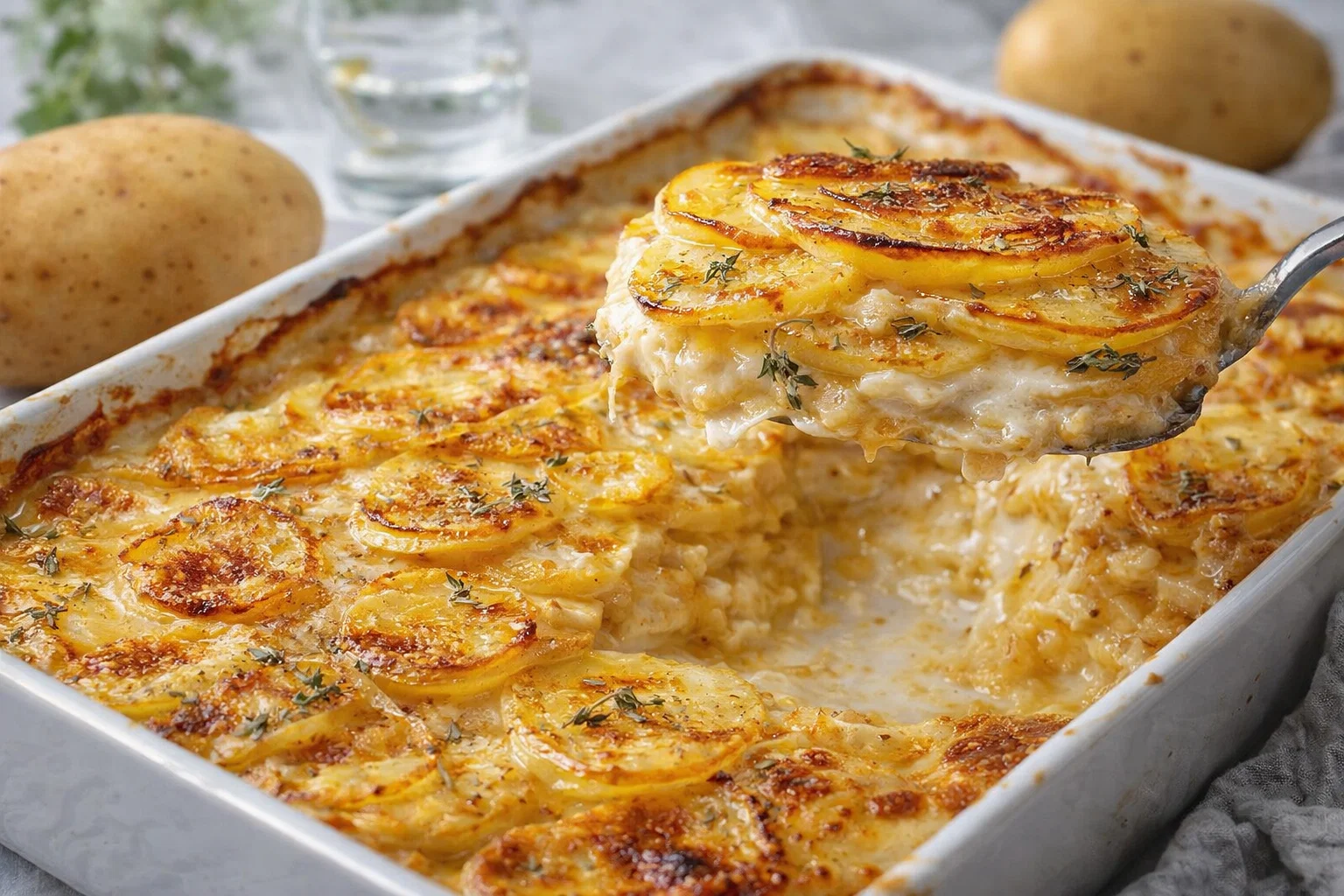
  • Mouthwatering Scalloped Potatoes With Leeks

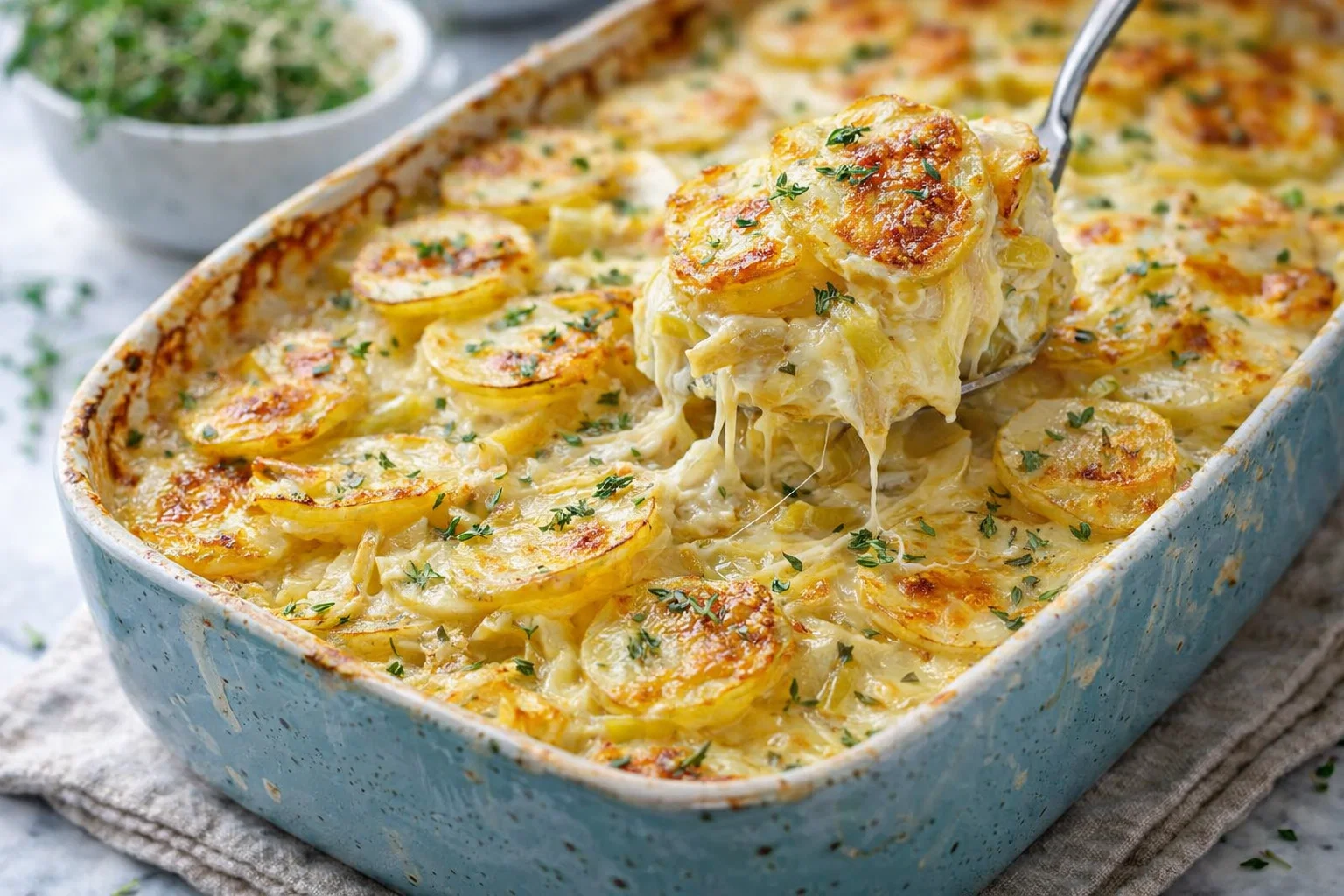
    Mouthwatering Scalloped Potatoes With Leeks

    Mouthwatering Scalloped Potatoes With Leeks: A Tropical Delight

    Introduction to Mouthwatering Scalloped Potatoes With Leeks

    If you are in search of delectable dinner recipes, look no further than mouthwatering scalloped potatoes with leeks. This dish is not only simple to make but also suits a wide range of dietary preferences. Whether you’re a busy parent looking to whip up a quick yet satisfying meal or a newlywed wanting to impress with your culinary skills, this recipe will become a go-to favorite.

    The layers of thinly sliced potatoes artfully combined with tender leeks and a creamy sauce create a comforting warmth that will bring joy to your dining table. Plus, scalloped potatoes with leeks are vegan and gluten-free-friendly, making them suitable for those following specific dietary restrictions. The combination of starch and fiber from potatoes, along with the essential nutrients found in leeks, makes this dish not only tasty but healthy as well.

    Whether served as a side dish at a family gathering or as a solo dish, this recipe is versatile enough for all occasions. It’s sure to satisfy, whether you’re a food enthusiast or someone simply looking to balance flavor and health. With minimal prep time and a rich blend of flavors, these scalloped potatoes with leeks present the ideal option for anyone interested in exploring new dinner recipes that require less work but deliver maximum enjoyment.

    Benefits and Advantages of Mouthwatering Scalloped Potatoes With Leeks

    Why should you consider adding mouthwatering scalloped potatoes with leeks to your list of favorite dinner recipes? The answer lies in the multitude of benefits this dish provides. For one, it’s incredibly easy to prepare. With just a handful of ingredients, you can create a delightful meal that looks and tastes as though it has taken hours to prepare.

    Nutritional Benefits

    Scalloped potatoes are generally rich in potassium, vitamin C, and dietary fiber. Leeks bring an additional layer of health, contributing vitamins A, K, and B6; they also contain antioxidants that improve your overall health. Including these ingredients in your diet can support digestive health and may even help regulate blood pressure.

    Dietary Flexibility

    This recipe is not just limited to those who are vegan or gluten-free. It can be easily customized to accommodate various dietary preferences. For example, if you prefer a creamy texture but want to keep it light, you can opt for low-fat milk or a dairy-free alternative such as almond or coconut milk. You can even spice it up with additional herbs and seasonings to tailor the taste to your liking.

    Convenience

    For busy individuals—students, working professionals, or parents—this recipe aligns perfectly with a fast-paced lifestyle. It can be prepared in advance, and the flavors tend to deepen over time, making it a great option for meal prep. You can also pair scalloped potatoes with a simple salad or grilled protein, allowing for a balanced, nutritious dinner without excessive effort.

    In summary, these are not just simple dinner recipes; they are a perfect blend of ease, nutrition, and adaptability. That makes mouthwatering scalloped potatoes with leeks a standout choice for anyone aiming to prepare a fabulous meal with minimal fuss.

    Ingredients Overview

    Essential Ingredients for Mouthwatering Scalloped Potatoes With Leeks

    To prepare this delightful dish, gather the following ingredients:

    • 4 large potatoes (Yukon Gold or Russet; provides the base and creaminess)
    • 2 medium leeks (cleaned and sliced; enriches flavor)
    • 2 cups vegetable broth (gluten-free for dietary needs)
    • 1 cup unsweetened almond milk (vegan option; can substitute with regular milk)
    • 3 tablespoons olive oil (helps in roasting and adds healthy fats)
    • 2 tablespoons nutritional yeast (for a cheesy flavor; optional but recommended for vegan diets)
    • Salt and pepper (to taste; enhances flavor)
    • 1 teaspoon garlic powder (for depth)
    • 1 teaspoon thyme (optional; adds aromatic flavor)

    Dietary Substitutions to Customize Your Mouthwatering Scalloped Potatoes With Leeks

    When preparing scalloped potatoes with leeks, various substitutions can cater to different dietary needs:

    • To make it vegan: Stick to almond or coconut milk and nutritional yeast for a creamy texture.
    • For a low-carb option: Substitute potatoes with cauliflower or a mix of zucchini and eggplant.
    • If gluten-free: Ensure that your vegetable broth is certified gluten-free.
    • Dairy-free requirements: Use nutritional yeast and unsweetened plant-based milk to replace traditional cheese and cream.

    By modifying ingredients or adding your unique twist, you can easily adapt this dish to better fit your lifestyle!

    How to Prepare the Perfect Mouthwatering Scalloped Potatoes With Leeks: Step-by-Step Guide

    Creating mouthwatering scalloped potatoes with leeks is simpler than you might think! Follow these step-by-step instructions to prepare this delightful dish.

    1. Preheat Your Oven: Begin by preheating your oven to 375°F (190°C). This step ensures your dish cooks evenly and achieves that beautiful golden top everyone loves.

    2. Prepare the Leeks: Clean your leeks thoroughly to remove any grit or dirt. Slice the leeks into thin rounds, making sure to use both the white and light green parts for the best flavor.

    3. Slice the Potatoes: Using a sharp knife or a mandoline, thinly slice the potatoes to about 1/8-inch thickness. Uniform slices will ensure they cook evenly.

    4. Make the Creamy Sauce: In a mixing bowl, combine the vegetable broth, almond milk, nutritional yeast, salt, pepper, garlic powder, and thyme. Whisk the ingredients until they are well combined.

    5. Layer the Ingredients: In a greased 9×13-inch baking dish, start to layer your ingredients. Begin with a layer of sliced potatoes, followed by a layer of leeks. Pour some of the creamy sauce over the layers. Repeat this process until all potatoes and leeks are used, finishing with a layer of sauce on top.

    6. Drizzle Olive Oil: Drizzle the olive oil over the top for added richness and to aid in browning.

    7. Cover and Bake: Cover the baking dish with aluminum foil (shiny side down) to trap in moisture. Place it in the oven and bake for 30-35 minutes.

    8. Uncover and Brown: After 35 minutes, carefully remove the foil and allow the dish to bake an additional 15-20 minutes. This step will help achieve that desirable golden brown top.

    9. Cool and Serve: Once finished, take the dish out of the oven and let it cool for about 5-10 minutes. This resting period allows for easier serving.

    10. Garnish and Enjoy: Optionally, sprinkle some fresh herbs on top before serving. Enjoy your mouthwatering scalloped potatoes with leeks as a main or side dish!

    These concise steps guide you through the preparation of scalloped potatoes with leeks. This recipe can fit the busy schedules of students or working professionals while helping new cooks gain confidence in the kitchen!

    Mastering Mouthwatering Scalloped Potatoes With Leeks: Advanced Tips and Variations

    To elevate your mouthwatering scalloped potatoes with leeks, consider these advanced tips and exciting variations:

    Flavor Boosters

    • Cheesy Addition: For a cheesy flavor, experiment by adding your favorite cheese (like Gruyère or cheddar) in between the layers and on top before baking. Alternatively, choose a vegan cheese for a dairy-free dish.

    • Herb Infusion: Enhance the flavor profile further by incorporating herbs such as rosemary, sage, or parsley. You can mix these into the sauce or add them in between the layers.

    Cooking Techniques

    • Stovetop Option: If you’re short on time, consider cooking the layered ingredients in a skillet over medium heat until they are tender and the sauce thickens. Top with cheese and broil until golden-brown.

    • Slow Cooker Version: For those who enjoy using slow cookers, layer the ingredients in your slow cooker and cook on low for 4-6 hours. This way, you can enjoy the flavors melding together beautifully while you go about your day.

    Variation Ideas

    • Add Vegetables: You can incorporate vegetables like spinach, carrots, or mushrooms. Simply sauté them before layering for added nutrition and flavor.

    • Protein Boost: Consider adding a source of protein like shredded chicken or tempeh to make the dish more filling. If you choose to add meat, cook it separately before combining with the potatoes and leeks.

    By trying these tips and variations, you can create delightful twists on this classic dish. Whether preparing it for an intimate dinner or a larger gathering, these mouthwatering scalloped potatoes with leeks will surely impress.

    How to Store Mouthwatering Scalloped Potatoes With Leeks: Best Practices

    Once you’ve prepared your delicious scalloped potatoes with leeks, you may want to store leftovers for future enjoyment. Here are the best practices for refrigeration, freezing, and reheating your dish.

    Refrigeration

    • Allow the dish to cool to room temperature before storing to avoid condensation, which can lead to sogginess.
    • Transfer any leftovers to an airtight container. Stored this way, your scalloped potatoes will remain fresh in the refrigerator for up to 3-5 days.

    Freezing

    • For longer storage, you can freeze scalloped potatoes. Ensure the dish has completely cooled before transferring it to a freezer-safe container or resealable freezer bags.
    • Label the container with the date and contents for easy identification. Frozen scalloped potatoes will maintain their quality for about 2-3 months.

    Reheating

    • To reheat refrigerated scalloped potatoes, preheat your oven to 350°F (175°C). Place the dish in the oven until heated through (approximately 20-30 minutes).
    • For frozen scalloped potatoes, it’s best to thaw them in the refrigerator overnight before reheating. You can also reheat them directly from frozen, but this will take longer, about 45 minutes to an hour.

    By following these guidelines, you can ensure that your mouthwatering scalloped potatoes with leeks are preserved well and remain just as delicious upon reheating!

    Nutritional Value of Mouthwatering Scalloped Potatoes With Leeks

    Now that you’ve mastered the recipe, let’s explore its nutritional profile. Nutritional information may vary depending on specific ingredients used and serving sizes, but on average, a serving of mouthwatering scalloped potatoes with leeks provides:

    • Calories: Approximately 200-250 calories per serving
    • Total Fat: 7-10g (depending on whether olive oil or butter is used)
    • Saturated Fat: 1-2g
    • Carbohydrates: 35-40g
    • Dietary Fiber: 4-6g
    • Sugars: 3-4g
    • Protein: 4-6g
    • Vitamin A: 10-15% of the daily value (DV)
    • Vitamin C: 15-20% of the DV
    • Calcium: 5-10% of the DV
    • Potassium: 15-20% of the DV

    This dish is a fantastic option for anyone wanting a healthy and satisfying meal. The nutritional balance coupled with deliciousness makes it an excellent choice for both special occasions and everyday dining.

    FAQs: Frequently Asked Questions About Mouthwatering Scalloped Potatoes With Leeks

    Here are some common questions about mouthwatering scalloped potatoes with leeks, along with their answers:

    Can I prepare this dish ahead of time?

    Absolutely! You can prepare the dish up to the baking step and refrigerate it until you’re ready to bake. Just remember to add a few extra minutes to the baking time if it’s coming straight out of the fridge.

    What can I substitute for leeks?

    If leeks are not readily available, you can replace them with onions or shallots. However, keep in mind that they will impart a different flavor profile.

    Is it necessary to peel the potatoes?

    While peeling is common, you can leave the skins on if you prefer a rustic appearance and additional nutrients. Just make sure to wash them thoroughly before slicing.

    Are scalloped potatoes gluten-free?

    Yes! Using gluten-free vegetable broth ensures that this dish is suitable for those on a gluten-free diet.

    Can I use different types of potatoes?

    Certainly! While Yukon Gold or Russet potatoes are recommended for their creaminess, feel free to use red potatoes or any waxy variety. Just keep in mind that the cooking time may vary.

    Adding mouthwatering scalloped potatoes with leeks to your regular meal rotation is not just a culinary experience but also a way to embrace healthier dining habits. With this recipe in your arsenal, you’re all set for both everyday cooking and special occasions. Enjoy the delicious journey!
  • Cheesy Keto Scalloped Potatoes

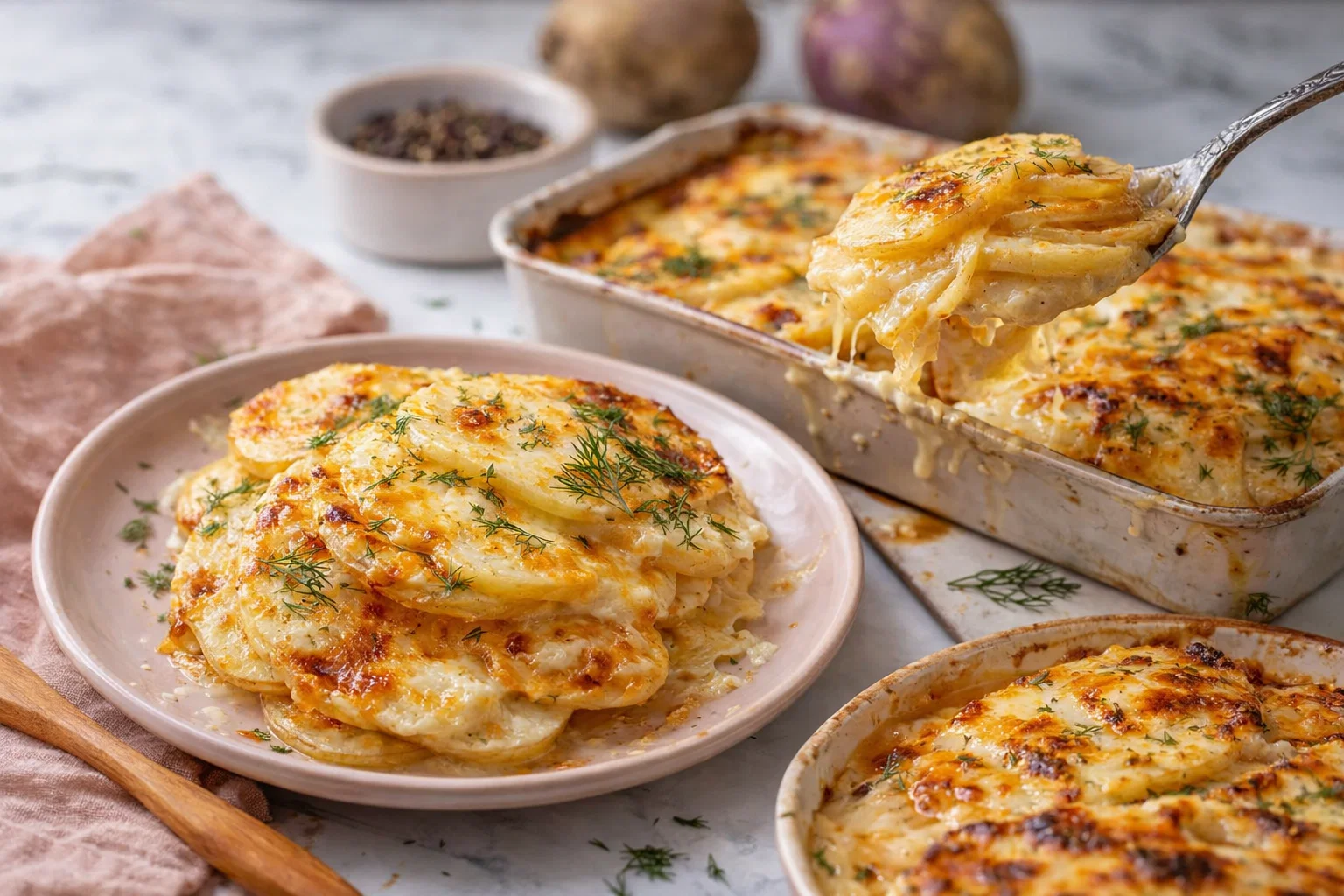
    Cheesy Keto Scalloped Potatoes

    Cheesy Keto Scalloped Potatoes: A Tropical Delight

    Introduction to Cheesy Keto Scalloped Potatoes

    Welcome, culinary enthusiasts and busy home cooks! If you’re looking for scrumptious dinner recipes that are quick to prepare, healthy, and a hit with the entire family, you’ve stumbled upon a winner: Cheesy Keto Scalloped Potatoes. This delightful dish transforms traditional scalloped potatoes into a keto-friendly version that satisfies your cheesy cravings while keeping carbohydrates in check.

    Imagine layers of luscious, cheesy goodness, with the comforting taste of potatoes, yet all while being mindful of your dietary goals. This recipe strikes a perfect balance between indulgence and nutrition. Packed with flavor and devoid of refined carbs, it’s suitable for a variety of dietary needs including gluten-free and low-calorie options. Best of all, it’s simple enough for weeknight dinners yet impressive enough to serve at gatherings. Whether you’re a busy parent, a student on the go, or someone who takes pride in creating dinner masterpieces, this recipe will inspire your kitchen journey.

    In the following sections, I’ll share the incredible benefits of these Cheesy Keto Scalloped Potatoes, a comprehensive ingredient overview, and foolproof cooking instructions. So roll up your sleeves, and let’s dive into making this versatile and delicious dish that everyone will love!

    Benefits and Advantages of Cheesy Keto Scalloped Potatoes

    Cheesy Keto Scalloped Potatoes offer a host of advantages that make them a standout in the realm of dinner recipes. One of the biggest benefits of this recipe is its simplicity. In just a few straightforward steps, you can create a dish that feels gourmet and satisfying, without sacrificing flavor for ease.

    Health Benefits

    Traditionally, scalloped potatoes can be packed with carbohydrates and heavy cream. However, our keto version replaces high-carb staples with healthier alternatives. With cauliflower as the base, this recipe dramatically reduces net carbs, making it perfect for ketogenic and low-carb diets. Cauliflower is not only lower in calories, but it’s also packed with vitamins C and K, fiber, and antioxidants.

    Moreover, the healthy fats from cheese and cream enhance the dish while supporting energy levels and promoting fullness, a win-win for busy individuals with a focus on health. Choosing high-quality cheeses such as cheddar or mozzarella can also provide beneficial nutrients like calcium and protein, which are essential for maintaining strong bones and muscle mass.

    Versatility and Customization

    The adaptability of Cheesy Keto Scalloped Potatoes makes them a fabulous addition to your collection of easy dinner recipes. Whether you want to add extra veggies for nutrition or substitute the cheese for a dairy-free option, you can customize this dish to fit your dietary preferences. It’s a fantastic opportunity for families to enjoy a meal together, regardless of their individual dietary needs—it’s gluten-free and can easily be made vegan!

    Conclusion

    In short, this recipe stands out because it checks all the boxes: quick preparation, flavorful richness, and healthy, keto-friendly ingredients. It’s versatile enough for any dinner occasion, from simple family nights to more elaborate dinner parties.

    Ingredients Overview

    Essential Ingredients for Cheesy Keto Scalloped Potatoes

    Understanding the essential ingredients for creating Cheesy Keto Scalloped Potatoes is crucial for achieving the best taste and texture. Here’s a detailed list of everything you’ll need:

    • Cauliflower (1 large head) – The star of this dish, it replaces high-carb potatoes while maintaining a satisfying texture.
    • Cheddar Cheese (2 cups, shredded) – A rich source of flavor and creaminess; opt for sharp cheddar for a bolder taste.
    • Cream Cheese (8 oz) – Adds a velvety texture and enhances the cheesy flavor.
    • Heavy Cream (1 cup) – Provides richness; alternative for those seeking lower-calorie options can use unsweetened almond milk or coconut cream.
    • Butter (2 tablespoons) – For sautéing and flavor enhancement; substitute with olive oil for a dairy-free version.
    • Garlic (3 cloves, minced) – Boosts flavor depth; eliminate if you’re watching sodium intake.
    • Salt and Pepper (to taste) – Essential for seasoning; choose low-sodium options if necessary.
    • Paprika (1 teaspoon) – Adds warmth and color; feel free to experiment with spices like black pepper or cayenne for heat.
    • Green Onions (for garnish) – Adds an appealing touch; can be omitted for a more streamlined dish.

    Dietary Substitutions to Customize Your Cheesy Keto Scalloped Potatoes

    Tailoring your Cheesy Keto Scalloped Potatoes based on dietary preferences is easier than you might think. Here are some suggestions:

    • For Vegan Options: Substitute all cheese varieties with plant-based cheese alternatives made from nuts or soy. You can even make a cashew cream by soaking cashews in water and blending them until smooth.
    • Dairy-Free Alternatives: Use coconut cream instead of heavy cream while ensuring your cheese alternatives are dairy-free.
    • Low-Fat Version: Reduce the amount of cheese and use skim or reduced-fat cream cheese to keep the creaminess with fewer calories.
    • Lower Sodium Version: Use low-salt versions of butter and cheese or eliminate salt entirely from the recipe.

    These substitutions ensure that everyone can enjoy this delicious dish, making it a truly inclusive option for your dinner table.

    How to Prepare the Perfect Cheesy Keto Scalloped Potatoes: Step-by-Step Guide

    Preparing Cheesy Keto Scalloped Potatoes is an enjoyable process that culminates in a wonderfully cheesy dish. Follow these steps for the perfect result:

    1. Preheat Your Oven: Begin by preheating your oven to 350°F (175°C). This ensures a consistent cooking environment for your dish.

    2. Prepare the Cauliflower: Wash and chop the cauliflower into small florets. Steam lightly for about 5 minutes until just tender but not mushy. Drain and set aside.

    3. Sauté Garlic in Butter: In a large skillet, melt the butter over medium heat. Then, add the minced garlic and sauté until fragrant, around 1-2 minutes. This step is crucial, as it builds the foundation for your cheesy sauce.

    4. Add Cream Cheese: Lower the heat and add the cream cheese to the skillet, stirring until it melts and blends with the garlic.

    5. Incorporate Heavy Cream: Gradually pour in the heavy cream while continuously stirring. Once combined, allow it to simmer for about 3-5 minutes. This will create a rich base for the cheesy sauce.

    6. Mix in Cheese: Add 1.5 cups of the shredded cheddar cheese to the skillet, stirring to combine. Once the cheese melts and the sauce is smooth, remove the skillet from heat.

    7. Layer the Ingredients: In a greased baking dish, layer half of the steamed cauliflower. Pour half the cheesy sauce over the cauliflower. Repeat with the remaining cauliflower and top with the remaining cheesy sauce.

    8. Top with More Cheese: Sprinkle the last half-cup of shredded cheddar on top of the casserole. This will create a beautifully cheesy crust.

    9. Bake your Dish: Cover the baking dish with aluminum foil and place it in the oven. Bake for 20 minutes, then remove the foil and bake for an additional 15-20 minutes until the cheese is golden and bubbly.

    10. Cool and Serve: After removing from the oven, allow the dish to cool for a few minutes. Garnish with fresh green onions if desired before serving.

    Each of these steps builds the exciting flavor and texture profile of the Cheesy Keto Scalloped Potatoes, highlighting just how easy it is to create remarkable dinner recipes from the comfort of your kitchen.

    Mastering Cheesy Keto Scalloped Potatoes: Advanced Tips and Variations

    To elevate your Cheesy Keto Scalloped Potatoes further, consider these advanced tips and variations:

    • Layered Ingredients: For an added crunch, consider layering thinly sliced zucchini with the cauliflower. This not only enhances flavor but also adds more nutrients without raising the carb count significantly.

    • Cheese Variations: Experiment with different cheese combinations. Mozzarella, Monterey Jack, or even pepper jack can introduce unique flavors. Each cheese brings its distinct melting characteristics and taste, allowing for a delightful twist on the classic recipe.

    • Herbs and Spices: Feel free to infuse your cheesy goodness with dried herbs like thyme, rosemary, or oregano. Fresh herbs such as parsley or basil can also be added as a garnish after serving to introduce freshness.

    • Add Protein: For those who want to pack more protein into their meal, consider mixing in some cooked, crumbled bacon, shredded chicken, or even sautéed ground beef to create a heartier dish.

    • Different Cooking Methods: If you’re pressed for time, a slow cooker can be an excellent alternative for this recipe. Layer your ingredients as directed and let it cook on low for about 4–6 hours for a deliciously slow-cooked version.

    These advanced tips and variations provide wonderful opportunities to personalize your Cheesy Keto Scalloped Potatoes, ensuring that it never becomes boring while remaining one of your go-to dinner recipes.

    How to Store Cheesy Keto Scalloped Potatoes: Best Practices

    Storing your Cheesy Keto Scalloped Potatoes properly can extend their shelf life and maintain optimal flavor. Here are the best practices for refrigeration, freezing, and reheating:

    • Refrigeration: Allow your Cheesy Keto Scalloped Potatoes to cool to room temperature before transferring them to an airtight container. Stored in the refrigerator, they can last for up to 4 days.

    • Freezing: For longer storage, consider freezing. Cut the dish into portions and place them in freezer-safe containers. Ensure you label them with the date for easy tracking, and they can last 2–3 months frozen.

    • Reheating: To reheat, thaw the frozen portions in the refrigerator overnight, or use a microwave for faster defrosting. Then, bake in a preheated oven at 350°F (175°C) until heated through, about 20-25 minutes. If serving from the fridge, a quick 10–15 minute reheat in the oven should suffice.

    By following these storage solutions, you’ll maintain the taste and texture, so each serving feels like it was just made, further enhancing your repertoire of easy dinner recipes.

    Nutritional Value of Cheesy Keto Scalloped Potatoes

    Understanding the nutritional value of Cheesy Keto Scalloped Potatoes can help those who are mindful of their dietary choices. Here’s a general breakdown per serving (based on eight servings):

    • Calories: Approximately 250-300 calories
    • Protein: 10-15 grams
    • Fat: 20-25 grams (with healthy fats)
    • Carbohydrates: 8-10 grams (net carbs may be lower)
    • Fiber: 3-4 grams
    • Sugar: 2-3 grams

    This nutritional profile makes it an attractive option for those on a ketogenic or low-carb plan, letting you enjoy a hearty side or main dish without compromising your dietary goals. Variations in cheese or additional ingredients may alter these values, so be sure to adjust them based on your specific choices.

    FAQs: Frequently Asked Questions About Cheesy Keto Scalloped Potatoes

    Q1: Can I use regular potatoes in this recipe?

    While this recipe is designed for a keto approach, you can use regular potatoes if you don’t need to watch carb intake. Just note that the cooking time may vary, and you’ll significantly increase the carb content.

    Q2: How can I make this dish vegan?

    To make a vegan version, swap out regular cheese for a vegan cheese alternative, replace heavy cream with coconut milk or almond milk, and use plant-based butter.

    Q3: Can I prep this ahead of time?

    Yes! You can assemble the dish and store it in the refrigerator for up to one day before baking. This allows the flavors to meld beautifully, enhancing the dish even more.

    Q4: What’s the best way to reheat leftovers?

    Reheat leftovers in the oven at 350°F (175°C) for about 15-20 minutes or in the microwave in 30-second increments until warmed through.

    Q5: Can I add proteins like bacon or chicken to this recipe?

    Absolutely! Incorporating cooked bacon or shredded chicken can create a heartier meal and add extra flavor. Just make sure to adjust the overall cook time accordingly.

    This comprehensive guide on Cheesy Keto Scalloped Potatoes provides everything you need to create a deliciously cheesy and satisfying dish that fits perfectly within your array of dinner recipes. Embrace the flavors and enjoy cooking!

  • Tender Low Sodium Scalloped Potatoes

    Tender Low Sodium Scalloped Potatoes

    Tender Low Sodium Scalloped Potatoes: A Tropical Delight

    Introduction to Tender Low Sodium Scalloped Potatoes

    Welcome to a delightful culinary experience that brings a tropical twist to your table—Tender Low Sodium Scalloped Potatoes! This recipe is not just a side dish; it’s a celebration of flavor, comfort, and healthy eating. In a world where dinner recipes can be both fun and nutritious, these scalloped potatoes stand out, offering a low-sodium twist that makes them accessible for various dietary needs.

    Imagine creamy, tender layers of potato harmoniously infused with seasoning, yet gentle on your sodium intake. This dish is perfect for everyone—from busy parents trying to feed a family to health-conscious individuals looking to satisfy their cravings without guilt. Best of all, it’s suitable for vegan and gluten-free diets, making it a versatile addition to your meal rotation.

    With minimal preparation time and straightforward cooking steps, this recipe aims to inspire even those who may feel intimidated in the kitchen. You’ll appreciate how easily they could enhance your dinner table, turning an ordinary meal into an extraordinary one. Plus, they pair beautifully with various proteins or serve as a delightful buffet centerpiece, making them excellent for gatherings or cozy family dinners.

    Dive into the simplicity and health benefits of this recipe, and discover how you can create a dish that delights your taste buds while keeping your dietary goals in check!

    Benefits and Advantages of Tender Low Sodium Scalloped Potatoes

    When selecting dinner recipes, one common consideration is how balanced and easy they are to prepare. Tender Low Sodium Scalloped Potatoes undoubtedly tick both boxes. Here are a few reasons why this recipe earns a place in your recipe book:

    1. Ease of Preparation: This dish requires minimal hands-on time, which is perfect for busy schedules. With just a few steps, you can have a delicious side dish ready to bake while you focus on your main course.

    2. Health Benefits: Traditional scalloped potatoes often come loaded with cream and salt, but our low sodium version not only cuts down on sodium but also provides health-conscious alternatives. Potatoes are a rich source of vitamins C and B6, potassium, and dietary fiber, which can help in digestion and blood pressure control.

    3. Versatility: Whether you are vegan, gluten-free, or watching your calorie intake, Tender Low Sodium Scalloped Potatoes accommodate various dietary restrictions. You can customize the recipe with substitutions that meet your family or guests’ needs.

    4. Flavor without Guilt: The secret to these scalloped potatoes lies in the use of fresh herbs and spices, which pack a flavor punch without the need for excessive sodium. By using garlic, rosemary, and thyme, you create a depth of flavor that keeps your taste buds happy.

    5. Community-Friendly: This dish integrates well into potlucks, family gatherings, or cozy dinners. Its appealing texture and flavors enhance any meal while ensuring everyone can enjoy it, regardless of dietary restrictions.

    Overall, the Tender Low Sodium Scalloped Potatoes not only provide satisfaction for your cravings but are also a wholesome option that will please the crowd while being friendlier to your health goals.

    Ingredients Overview

    Essential Ingredients for Tender Low Sodium Scalloped Potatoes

    To whip up a batch of Tender Low Sodium Scalloped Potatoes, gather the following ingredients:

    • 4 medium-sized potatoes (Yukon Gold or Russet work well)
    • 1 small onion, finely chopped
    • 2 cloves garlic, minced
    • 2 cups low-sodium vegetable broth (for richness and moisture)
    • 1 cup unsweetened almond milk (or any preferred plant-based milk)
    • 2 tablespoons olive oil (for flavor and moisture)
    • 1 teaspoon fresh rosemary, chopped (an aromatic herb that adds flavor)
    • 1 teaspoon fresh thyme, chopped (helps elevate the taste profile)
    • 1/2 teaspoon black pepper (for a bit of heat)
    • 1/2 teaspoon paprika (adds depth and color)
    • Salt to taste (consider using a dash of salt substitute, if desired)
    • 1/4 cup nutritional yeast (for a cheesy flavor, optional)

    This list includes vegan and gluten-free options, ensuring everyone at the table can enjoy it!

    Dietary Substitutions to Customize Your Tender Low Sodium Scalloped Potatoes

    Customizing your Tender Low Sodium Scalloped Potatoes is easy! Here are some substitutions to cater to different dietary needs:

    • Potato Alternatives: If you’re avoiding nightshades, substitute potatoes with a local tuber like celeriac or turnip.
    • Creamy Texture: Instead of almond milk, other milk alternatives like coconut milk or oat milk can work wonderfully, each bringing a unique flavor. For a non-vegan version, low-fat dairy milk or cream can also substitute.
    • Herbal Variations: Feel free to mix herbs according to your preference. Sage or parsley can also be delightful options.
    • Cheesy Flavor Without Dairy: Opt for cashew cream or a homemade vegan cheese sauce as a creamy element, enhancing the dish’s flavor profile.
    • Add Vegetables: For added nutrients, consider layering in thinly sliced zucchini or spinach. These additions incorporate even more health benefits and texture.

    Each substitution offers a chance to personalize the dish according to dietary restrictions, ensuring your dinner experience is both satisfying and healthful.

    How to Prepare the Perfect Tender Low Sodium Scalloped Potatoes: Step-by-Step Guide

    Now that you have your ingredients ready, let’s get to preparation! Follow this detailed step-by-step guide for creating Tender Low Sodium Scalloped Potatoes:

    1. Preheat the Oven: Start by preheating your oven to 375°F (190°C). This ensures that your dish cooks evenly.

    2. Prepare the Potatoes: Wash and peel your potatoes, then slice them thinly, about 1/8 inch thick. Uniform slices will cook evenly, giving you that creamy texture.

    3. Prep the Baking Dish: Lightly grease a 9×13 inch baking dish with olive oil to prevent sticking. This will help retain the dish’s moisture as it cooks.

    4. Sauté the Aromatics: In a skillet over medium heat, add a tablespoon of olive oil. Once hot, add the chopped onion and cook until translucent, about 3-5 minutes. Add in the minced garlic and sauté for another minute, releasing the robust flavors.

    5. Layer the Potatoes: Begin layering the potatoes in the baking dish. Start with a layer of potatoes, then add a portion of the sautéed onion and garlic mix. Sprinkle rosemary and thyme over the layer.

    6. Repeat the Layers: Continue layering the potatoes, onions, and herbs until all ingredients are used. Aim for about 3-4 layers of potatoes, ensuring herbs are sprinkled between each layer.

    7. Mix the Liquid: In a bowl, whisk together the low-sodium vegetable broth, almond milk, nutritional yeast (if using), black pepper, paprika, and salt. This mixture brings flavor and moisture to the dish.

    8. Pour Over the Dish: Slowly pour the mixed liquid evenly over the layered potatoes. Ensure that the liquid gets down between the layers, soaking into every slice.

    9. Bake: Cover your baking dish with aluminum foil to retain moisture during the initial bake. Place it in the preheated oven and bake for 45 minutes.

    10. Uncover and Brown: After 45 minutes, remove the foil and continue baking for an additional 15-20 minutes, or until the top is golden brown and the potatoes can be easily pierced with a fork.

    11. Let It Rest: Once done, take the dish out of the oven and let it cool for about 10 minutes before serving. This resting time allows the dish to set slightly, making it easier to serve.

    Through each of these steps, modifications can easily be made according to specific preferences or dietary needs, proving that versatility is at the heart of this recipe.

    Mastering Tender Low Sodium Scalloped Potatoes: Advanced Tips and Variations

    To take your Tender Low Sodium Scalloped Potatoes to the next level, consider these advanced tips and variations:

    1. Cheesy Twist: For cheese lovers, adding a layer of vegan mozzarella or a sprinkle of low-fat cheese on top during the last 10 minutes of baking will create a delicious, melty topping.

    2. Spice It Up: If you prefer a bit of heat, incorporate red pepper flakes or a dash of hot sauce into the liquid mixture. This small addition can provide a flavorful kick.

    3. Add Protein: Include cooked lentils or shredded chicken for added nutrition and a heartier dish. Layer these proteins in with the potatoes for a satisfying dinner.

    4. Garnish: A sprinkle of fresh herbs or a dollop of non-dairy sour cream on top before serving adds a fresh finish that elevates the presentation.

    5. Experiment with Flavors: Don’t hesitate to explore different seasonings or spice blends. A touch of curry powder or dill can create an entirely new flavor profile that surprises your palate.

    These tips and variations offer endless possibilities to extend the enjoyment of Tender Low Sodium Scalloped Potatoes, making them even more adaptable to personal preferences.

    How to Store Tender Low Sodium Scalloped Potatoes: Best Practices

    After enjoying your delicious Tender Low Sodium Scalloped Potatoes, you might have leftovers. Here’s how to properly store and enjoy them again later:

    • Refrigeration: Allow the scalloped potatoes to cool down completely. Transfer them to an airtight container. Properly stored, they can last in the fridge for up to 3-5 days.

    • Freezing: For long-term storage, portion out the scalloped potatoes into freezer-safe containers. These can be frozen for up to 2 months. However, note that the texture may change slightly upon reheating.

    • Reheating: When ready to enjoy your leftovers, preheat your oven to 350°F (175°C). Cover the dish with foil and reheat for about 20-30 minutes, or until heated through. Remove the foil for the last 5-10 minutes to regain some of the original creaminess and texture.

    These storage methods ensure you enjoy the deliciousness of your Tender Low Sodium Scalloped Potatoes long after they’re first made, making this dish perfect for meal prepping or leftovers!

    Nutritional Value of Tender Low Sodium Scalloped Potatoes

    Understanding the nutritional profile of your meals is essential for maintaining a healthy lifestyle. Here’s a breakdown based on a standard serving of Tender Low Sodium Scalloped Potatoes:

    • Calories: Approximately 150-200 calories
    • Total Fat: 5g (from olive oil)
    • Sodium: Less than 300mg (depending on broth and seasoning)
    • Carbohydrates: 28g
    • Dietary Fiber: 3g
    • Sugars: 1-2g
    • Protein: 4g

    One of the main benefits lies in the low sodium content, allowing you to enjoy a comforting dish while keeping your health in focus. The potatoes offer essential vitamins, and the olive oil contributes healthy fats, creating a balanced addition to your meal planning.

    FAQs: Frequently Asked Questions About Tender Low Sodium Scalloped Potatoes

    Can I use sweet potatoes in this recipe?

    Yes! Sweet potatoes can be substituted for regular potatoes, creating a delightful twist on the dish. Keep in mind that sweet potatoes may cook faster, so check for doneness accordingly.

    Can I make this recipe gluten-free?

    Absolutely! The recipe is naturally gluten-free, but always check the labels of your vegetable broth and any optional toppings to ensure they are gluten-free.

    How can I enhance the flavor without adding salt?

    Using fresh herbs, spices, and garlic can significantly enhance the flavor profile of this dish without the need for added salt. Experiment with different herb combinations to find your favorites!

    Can leftovers be reheated in the microwave?

    Yes! For quick reheating, portion the scalloped potatoes into microwave-safe containers. Heat for 1-2 minutes, stirring halfway through, until warm. However, the oven method provides better texture.

    Is this dish suitable for meal prep?

    Definitely! Tender Low Sodium Scalloped Potatoes are perfect for meal prep, offering delicious leftovers that can easily be portioned for easy lunches or dinners throughout the week.

    By addressing these common queries, readers can feel more confident about preparing this delicious and thoughtful dish, enhancing their overall cooking experience.

    In conclusion, Tender Low Sodium Scalloped Potatoes not only satisfy a craving for comfort food but also fit seamlessly into a healthy lifestyle, appealing to various dietary preferences. Whether you’re an experienced cook or just beginning, this recipe welcomes everyone to savor its delightful flavors. So grab your ingredients, and let’s create a delicious dish that transforms your next meal into a tropical delight!

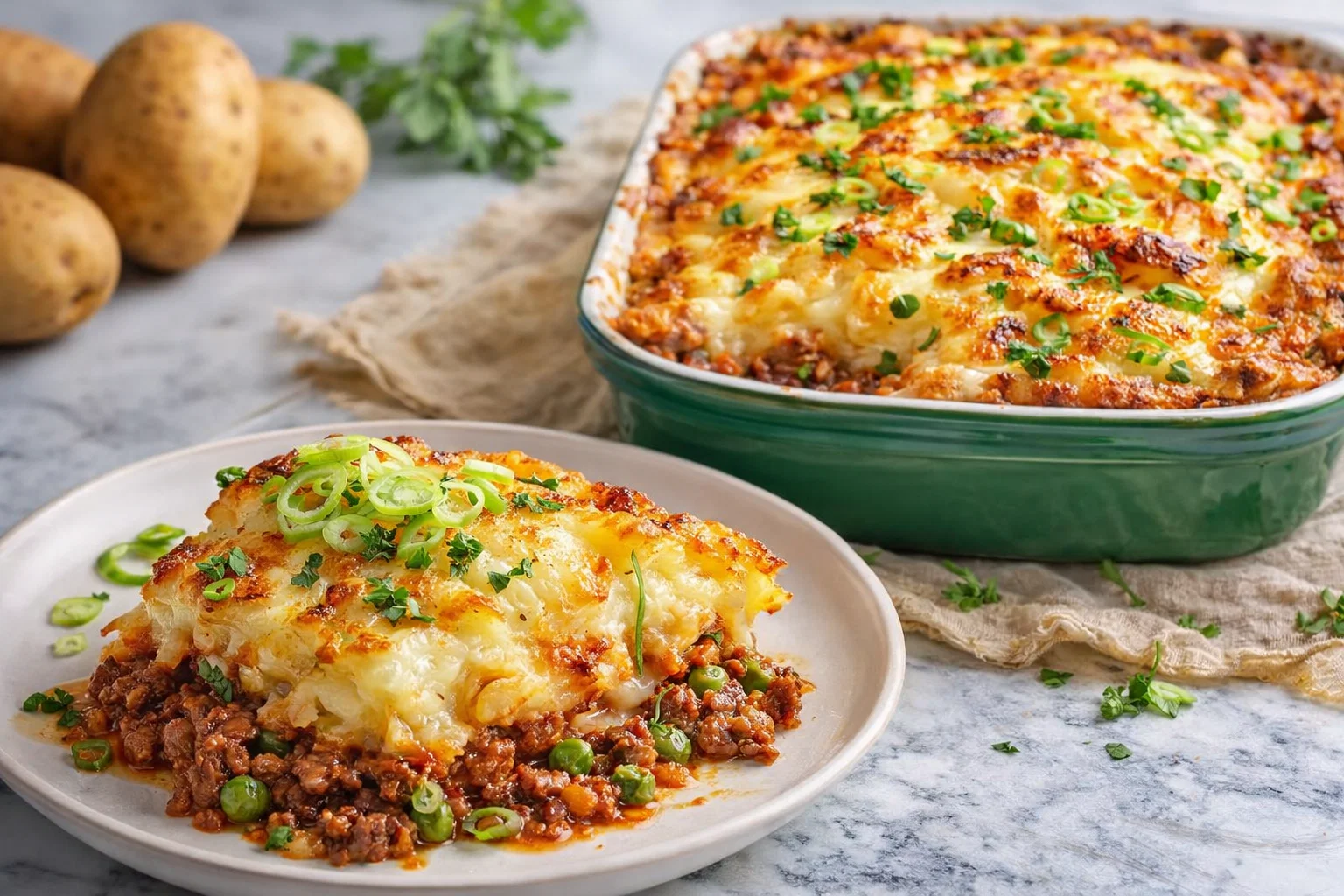
  • Ground Beef Scalloped Potatoes Shepherds Pie

    Ground Beef Scalloped Potatoes Shepherds Pie

    Ground Beef Scalloped Potatoes Shepherds Pie: A Tropical Delight

    Introduction to Ground Beef Scalloped Potatoes Shepherds Pie

    Ground beef recipes have a special place in many kitchens, providing comfort, flavor, and nourishment to families and individuals alike. Among these beloved dishes, Ground Beef Scalloped Potatoes Shepherds Pie stands out as a deliciously hearty option that brings together layers of creamy scalloped potatoes and savory ground beef. This recipe is not only simple but also highly adaptable, making it an excellent choice for busy parents looking to whip up a quick weeknight dinner or food enthusiasts eager to explore a new culinary delight.

    Imagine tender ground beef cooked to perfection, nestled between luscious slices of potato and a rich creamy sauce. The result is a dish that is both satisfying and nourishing. Moreover, this Shepherds Pie can cater to various dietary needs, with options for gluten-free, vegan, and low-calorie versions, allowing everyone to enjoy a slice of this tropical delight.

    By utilizing minimal ingredients and straightforward preparation steps, this recipe earns its spot in your meal rotation. Each bite is a fusion of flavors sure to tantalize the palate while providing a wholesome meal for you and your loved ones. So why not dive into this culinary journey? Let’s explore the remarkable benefits and advantages of creating this incredible dish.

    Benefits and Advantages of Ground Beef Scalloped Potatoes Shepherds Pie

    Ground beef scalloped potatoes shepherds pie is a dish that boasts several advantages, making it a must-try for any home cook. One of the primary benefits lies in its simplicity. With easy-to-follow steps, you can have this meal ready in no time, making it perfect for busy professionals, students, or anyone with a packed schedule.

    Additionally, this recipe utilizes readily available ingredients, which means you likely have most of them already in your kitchen, saving you time and money. Ground beef is a fantastic source of protein, which is essential for muscle repair and overall health. Combined with the nutrients found in potatoes—such as potassium, vitamin C, and B vitamins—this dish becomes an excellent choice for anyone seeking a balanced meal.

    Another advantage is the versatility of this recipe. It can easily be customized to meet various dietary needs. For example, families with gluten sensitivities can swap out regular flour for a gluten-free alternative, while those following a vegan lifestyle can substitute ground beef with lentils or plant-based meat alternatives. Moreover, you can adjust the richness of the dish by using low-fat milk or cheese, making it suitable for health-conscious individuals.

    Not only will this shepherds pie keep you and your family satisfied, but it also generates leftovers for those who enjoy meal prepping. Each reheated portion retains its flavors, allowing you to savor the dish for days. Altogether, these benefits make Ground Beef Scalloped Potatoes Shepherds Pie an enticing option for anyone, from newlyweds to busy parents, to indulge in comfort food while nourishing their bodies.

    Ingredients Overview

    Essential Ingredients for Ground Beef Scalloped Potatoes Shepherds Pie

    Creating the ultimate Ground Beef Scalloped Potatoes Shepherds Pie starts with the right ingredients. Here’s a detailed list of what you’ll need along with precise measurements:

    • 1 lb Ground Beef: A good source of protein and iron.
    • 4-5 Medium Potatoes (approximately 2 lbs): Choose russet or Yukon Gold for creaminess.
    • 1 medium Onion (chopped): Adds depth and flavor.
    • 2 cloves Garlic (minced): Enhances taste with aromatic richness.
    • 1 cup Heavy Cream or Milk: For a luscious sauce; use almond or oat milk for a vegan option.
    • 1 cup Shredded Cheddar Cheese: Sharp cheese for flavor; feel free to omit for vegan alternatives.
    • 2 tbsp Olive Oil or Butter: For cooking beef and onions.
    • 1 tbsp Flour (All-purpose or Gluten-Free): To thicken the sauce; can also use cornstarch.
    • 1 tsp Salt and Pepper: Essential seasonings to taste.
    • 1 tsp Dried Thyme or Italian Seasoning: Enhances flavor profile.

    Dietary Substitutions to Customize Your Ground Beef Scalloped Potatoes Shepherds Pie

    This dish is extremely accommodating when it comes to dietary restrictions. Here are some substitutions to consider:

    • For a Gluten-Free Option: Replace regular flour with a gluten-free flour blend or cornstarch for thickening the sauce.
    • For a Dairy-Free Option: Swap heavy cream with coconut milk or a plant-based milk and substitute regular cheese with vegan cheese if desired.
    • For a Low-Calorie Variation: Use lean ground beef or turkey and non-fat milk to cut down on fat without sacrificing flavor.
    • For Vegetarian/Vegan Ingredient Replacement: Use lentils, quinoa, or crumbled tempeh instead of ground beef, providing a similar texture and a healthy protein source.

    These substitutions ensure that Ground Beef Scalloped Potatoes Shepherds Pie can cater to the needs of everyone in your household, making it an inclusive dish perfect for any occasion.

    How to Prepare the Perfect Ground Beef Scalloped Potatoes Shepherds Pie: Step-by-Step Guide

    Creating Ground Beef Scalloped Potatoes Shepherds Pie may appear daunting, but with a straightforward approach and detailed steps, you can achieve delightful results. Here’s a step-by-step guide to bring this delicious dish to your table.

    1. Prepare the Potatoes: Start by washing and peeling the potatoes. Slice them thinly (about 1/8 inch thick) to ensure even cooking. Set aside in cold water to prevent browning.

    2. Cook the Ground Beef: In a large skillet over medium heat, add olive oil or butter. Once heated, add the chopped onion and sauté until translucent. Next, add minced garlic and cook for an additional minute. Incorporate the ground beef, breaking it up as it cooks. Season with salt, pepper, and thyme. Cook until browned, approximately 6-8 minutes.

    3. Make the Creamy Sauce: In a separate saucepan, combine the heavy cream and flour over medium heat. Whisk continuously until thickened (about 3-5 minutes). If you’re using non-dairy milk, follow similar steps, adjusting cooking time as necessary.

    4. Layer the Ingredients: Take a greased 9×13 inch baking dish and layer half of the sliced potatoes at the bottom. Spread half of the ground beef mixture over the potatoes. Pour half of the creamy sauce on top. Repeat the layers with the remaining potatoes, beef, and sauce.

    5. Top with Cheese: Finish by sprinkling the shredded cheddar cheese evenly across the top layer.

    6. Bake the Dish: Preheat your oven to 375°F (190°C). Bake the dish uncovered for about 45-50 minutes, or until the potatoes are tender and the top is golden brown. If the edges begin to brown too quickly, cover with aluminum foil.

    7. Let it Rest: Once baked, take the shepherds pie out of the oven and let it sit for about 10-15 minutes. This resting time allows the flavors to meld and makes slicing easier.

    8. Serve and Enjoy: Slice into squares and serve hot. Pair it with a fresh salad or steamed vegetables for a balanced meal.

    With each step followed diligently, you’ll end up with an inviting shepherds pie that delights your taste buds. Feel free to explore variations or adapt portion sizes based on your family’s preferences or dietary restrictions, ensuring they enjoy this comfort food.

    Mastering Ground Beef Scalloped Potatoes Shepherds Pie: Advanced Tips and Variations

    To elevate your Ground Beef Scalloped Potatoes Shepherds Pie and ensure you master this dish, consider these advanced tips and creative variations:

    • Experiment with Flavors: Consider adding a splash of Worcestershire sauce to the ground beef for an umami kick or incorporating different herbs like rosemary or parsley for added freshness.

    • Incorporate Vegetables: For a healthier twist, add diced carrots, peas, or bell peppers to the ground beef mixture. Not only will this enhance the flavor, but it’ll also add vibrant colors and additional nutrients.

    • Spice It Up: For those who enjoy a kick, add red pepper flakes or a dash of hot sauce to the ground beef mixture for a spicy twist.

    • Layering Techniques: Instead of mixing the potatoes with the beef, you can alternate layers of potatoes and vegetables for a visually stunning dish.

    • Add a Crispy Topping: For a twist on the traditional dish, consider adding crushed potato chips or panko breadcrumbs on top for an extra crispy finish. This contrast of textures can elevate the overall experience.

    By integrating these advanced tips and exploring variations, you can create not only a memorable dish but also one that reflects your personal taste and culinary creativity.

    How to Store Ground Beef Scalloped Potatoes Shepherds Pie: Best Practices

    After creating your delicious Ground Beef Scalloped Potatoes Shepherds Pie, you might find yourself with leftovers. Storing them properly is essential to maintain freshness and flavor. Here are some best practices:

    • Refrigeration: Allow the shepherds pie to cool completely before covering it in an airtight container or wrapping it tightly with aluminum foil. When stored in the refrigerator, it can last for up to 3-4 days.

    • Freezing: If you want to store leftovers for longer, consider freezing them. Portion the shepherds pie into individual servings or freeze it whole. Wrap tightly with plastic wrap followed by aluminum foil to prevent freezer burn. It could last up to 2-3 months in the freezer.

    • Reheating: When you’re ready to enjoy the leftovers, you can reheat individual portions in the microwave or the oven. If using the oven, cover with foil and heat at 350°F (175°C) for about 20-25 minutes, or until heated through. Adding a sprinkle of shredded cheese on top before reheating can yield a delicious melty finish.

    Storing your shepherds pie correctly will ensure you can enjoy its delightful flavors even after the initial meal, making it a convenient and delicious option for busy days.

    Nutritional Value of Ground Beef Scalloped Potatoes Shepherds Pie

    Understanding the nutritional value of your food can guide your dietary choices. The Ground Beef Scalloped Potatoes Shepherds Pie provides an excellent mix of essential nutrients. Here’s a breakdown of its nutritional components per serving (assuming 8 servings):

    • Calories: Approximately 400-500 calories
    • Protein: About 20-25 grams (thanks to the ground beef)
    • Fat: Around 25-30 grams (depending on your choice of dairy)
    • Carbohydrates: Approximately 30-35 grams (mainly from potatoes)
    • Fiber: Roughly 3-4 grams
    • Sodium: 600-700 mg (can be adjusted with reduced-sodium ingredients)

    These nutritional details highlight Ground Beef Scalloped Potatoes Shepherds Pie as a well-rounded dish that provides a hearty meal while fulfilling your protein and carbohydrate needs. Additionally, by adjusting ingredients, you can further enhance its nutritional profile, catering to your specific dietary preferences while enjoying an indulgent comfort meal.

    FAQs: Frequently Asked Questions About Ground Beef Scalloped Potatoes Shepherds Pie

    1. Can I use a different type of meat?

    Definitely! You can substitute ground turkey, chicken, or even plant-based alternatives for a vegan-friendly option. Each choice will offer a unique flavor profile, allowing for customization.

    2. How can I make this dish healthier?

    To make the recipe healthier, consider using lean ground beef, non-fat milk, and reducing the amount of cheese. Adding vegetables or utilizing sweet potatoes instead of white potatoes can also boost the health factor.

    3. Is it possible to prepare this dish ahead of time?

    Yes, you can prepare the ingredients in advance and assemble the shepherds pie ahead of time. Cover and refrigerate it until you’re ready to bake. It might need a few additional minutes in the oven if it’s going in cold.

    4. Can I freeze the shepherds pie?

    Absolutely! It can be frozen either unbaked or baked. Be sure to use suitable containers to prevent freezer burn and label them with the date for your reference.

    5. What sides pair well with this dish?

    Traditional side dishes like steamed broccoli or a fresh garden salad complement the richness of the shepherds pie. You could also consider a light soup for a complete meal.

    6. How long does leftover shepherds pie last in the fridge?

    Properly stored in an airtight container, leftover Ground Beef Scalloped Potatoes Shepherds Pie can safely last for 3-4 days in the refrigerator.

    By providing clear answers to these FAQs, you can give readers additional confidence in making Ground Beef Scalloped Potatoes Shepherds Pie. This engaging recipe allows for flexibility and exploration, perfect for any cook wanting to delight their family or impress dinner guests. Make this dish a staple in your home and enjoy the many variations for years to come!

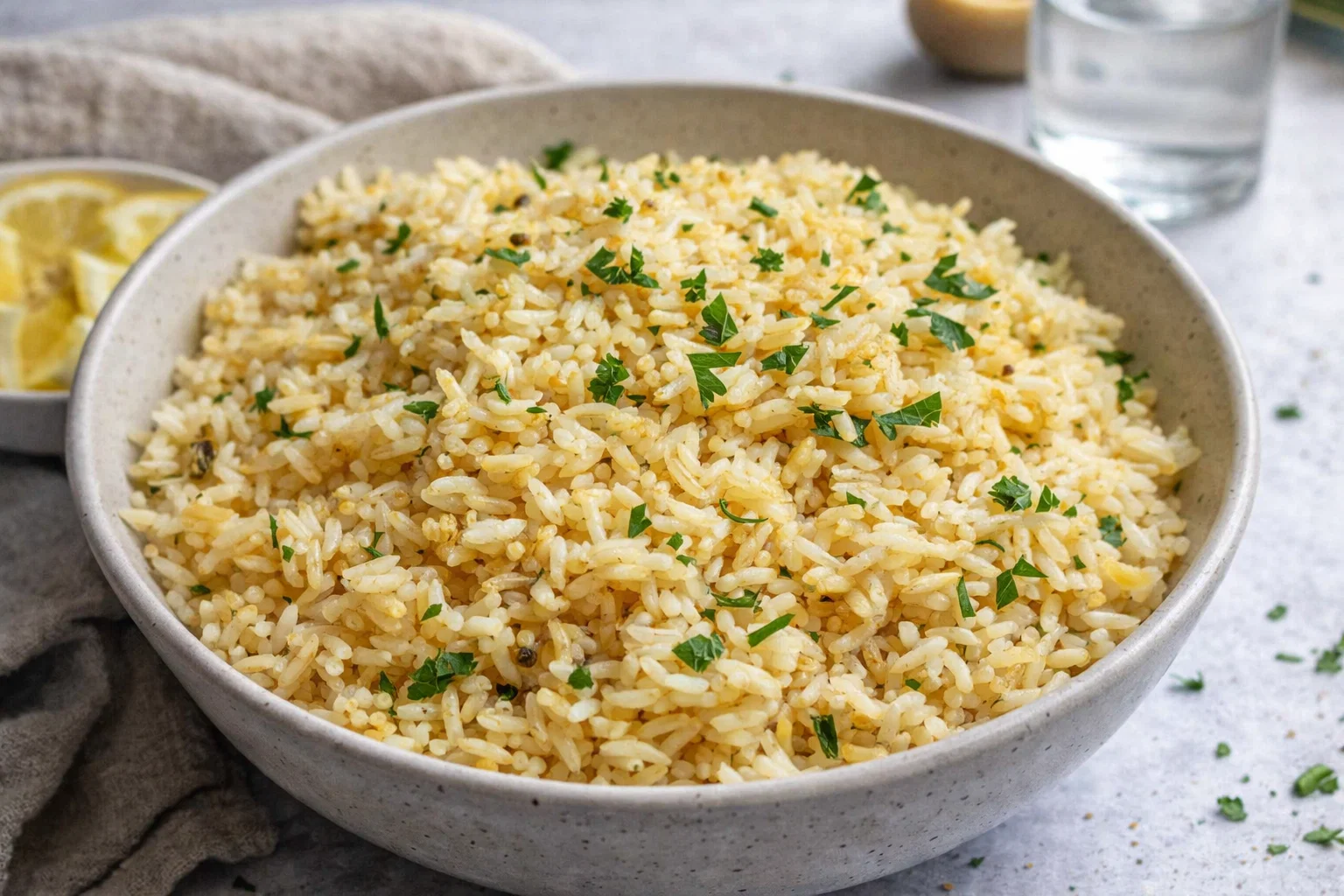
  • Easy Rice Pilaf Fluffy Side Dish

    Easy Rice Pilaf Fluffy Side Dish

    Easy Rice Pilaf Fluffy Side Dish: A Tropical Delight

    Introduction to Easy Rice Pilaf Fluffy Side Dish

    When it comes to easy dinner recipes, finding the perfect side dish that complements any entrée is essential. The Easy Rice Pilaf Fluffy Side Dish is an ideal choice, combining simplicity with flavor, and is perfect for busy weeknights or special occasions. This delightful dish features fluffy rice, aromatic spices, and a medley of healthy ingredients, making it a nutritious accompaniment for any meal.

    Rich in dietary fiber and essential nutrients, this Easy Rice Pilaf not only satisfies your taste buds but also supports a balanced diet. Its versatility shines through as it caters to various dietary needs, being vegan, gluten-free, and low in calories, which means everyone at your table can enjoy it. The cooking process is straightforward, making it a breeze for novice cooks and an excellent option for busy parents and working professionals alike.

    The beauty of this recipe lies in its adaptability. You can customize the pilaf with your favorite vegetables or proteins while maintaining its core essence. This dish pairs beautifully with grilled meats, roasted vegetables, or can even stand on its own as a light meal. Whether you’re a seasoned cook, traveling server, or simply someone looking to whip up something delicious, the Easy Rice Pilaf Fluffy Side Dish is bound to inspire and elevate your culinary adventures.

    Benefits and Advantages of Easy Rice Pilaf Fluffy Side Dish

    Choosing the Easy Rice Pilaf as part of your meal plan comes with a plethora of advantages. First and foremost, it’s incredibly easy to prepare. With minimal ingredients and straightforward cooking techniques, you can whip up this fluffy side dish in no time. This makes it perfect for anyone juggling a busy schedule, allowing you to create a satisfying meal without overwhelming yourself.

    Health-wise, the Easy Rice Pilaf is a winner. Rice is a fantastic source of carbohydrates that fuels your body with energy. Additionally, when you enhance it with herbs, spices, and vegetables, you’re not only adding flavor but also enriching it with vitamins and minerals essential for good health. For those watching their diets, you’ll be happy to know this recipe is low-calorie and can be enjoyed without guilt.

    Moreover, the dish is also quite versatile, making it one of the best easy dinner recipes for various occasions. Whether you’re hosting a family gathering, an intimate dinner, or simply enjoying a laid-back evening at home, this pilaf can adapt to any menu. Its inherent ability to pair well with an array of main courses—from hearty proteins to vibrant veggie dishes—is another reason to consider it for your next meal.

    Lastly, let’s not overlook the presentation. The long, fluffy grains of rice, adorned with vibrant colors from the vegetables, create an eye-catching dish that elevates your dining experience. With all these benefits packed into one simple recipe, it’s hard to resist giving the Easy Rice Pilaf a try!

    Ingredients Overview

    Essential Ingredients for Easy Rice Pilaf Fluffy Side Dish

    To prepare the Easy Rice Pilaf Fluffy Side Dish, you’ll need the following ingredients:

    • 1 cup long-grain rice (such as basmati or jasmine) – provides the base and gives fluffy texture.
    • 2 tablespoons olive oil or vegan butter – adds richness and enhances flavor.
    • 1 small onion, finely chopped – provides aromatic depth.
    • 2 garlic cloves, minced – adds a burst of flavor.
    • 2 cups vegetable broth (or chicken broth for non-vegans) – enhances the taste of the rice.
    • 1 teaspoon salt – boosts flavor.
    • 1/2 teaspoon black pepper – adds a dash of heat.
    • 1/2 teaspoon turmeric (optional) – gives a beautiful yellow color and is packed with antioxidants.
    • 1/2 cup mixed vegetables (like peas, carrots, and bell peppers) – adds nutrition, color, and texture.
    • Fresh herbs (like parsley or cilantro for garnish) – enhances presentation and freshness.

    This dish is entirely vegan, gluten-free, and naturally low in calories, making it suitable for anyone looking to maintain a balanced diet.

    Dietary Substitutions to Customize Your Easy Rice Pilaf Fluffy Side Dish

    This recipe is highly customizable to suit various dietary restrictions or preferences. Here are some substitutions:

    • Rice Options: If you prefer quinoa or cauliflower rice, feel free to substitute those for a different texture and nutritional profile.
    • Oil Alternatives: You can replace olive oil with coconut oil or sunflower oil for different flavor notes. For a completely oil-free option, use vegetable broth to sauté the onions and garlic.
    • Vegetable Variations: Almost any vegetable can be included, such as zucchini, green beans, or mushrooms. For a protein boost, consider adding canned chickpeas or lentils.
    • Herb & Spice Alternatives: Experiment with spices like cumin, coriander, or bay leaves for different flavors.

    This flexibility makes the Easy Rice Pilaf Fluffy Side Dish a fantastic choice for diverse eating habits and ingredient availability.

    How to Prepare the Perfect Easy Rice Pilaf Fluffy Side Dish: Step-by-Step Guide

    Creating the Easy Rice Pilaf Fluffy Side Dish is a simple and straightforward endeavor. Just follow these detailed steps to achieve the perfect fluffy rice every time.

    1. Prepare the Base: Start by rinsing 1 cup of long-grain rice under cold water. This helps to remove excess starch, ensuring your rice will be fluffy and non-sticky once cooked.

    2. Sauté Aromatics: In a medium pot, heat 2 tablespoons of olive oil over medium heat. Once heated, add the finely chopped onion and sauté until translucent, about 3-4 minutes.

    3. Add Garlic: Stir in 2 minced garlic cloves and cook for an additional minute until fragrant but not burned.

    4. Combine Rice: Add the rinsed rice to the pot, stirring well to coat it in the fragrant onion and garlic mixture. Sauté for about 2 minutes, allowing the rice to absorb the flavors.

    5. Add Liquid Ingredients: Pour in 2 cups of vegetable broth followed by 1 teaspoon of salt, 1/2 teaspoon of black pepper, and 1/2 teaspoon of turmeric (if using). Stir everything to combine.

    6. Bring to a Boil: Increase the heat and bring the entire mixture to a boil.

    7. Simmer: Once boiling, reduce the heat to low, cover the pot with a lid, and let it simmer for about 15-20 minutes. Avoid lifting the lid to ensure the rice steams properly.

    8. Add Vegetables: After the rice is almost cooked, quickly remove the lid and sprinkle 1/2 cup of your mixed vegetables over the top. Recover the pot and let it cook for an additional 5 minutes, allowing the vegetables to steam.

    9. Fluff the Rice: After the time is up, remove the pot from heat but keep it covered for an extra 5 minutes. Then, uncover and gently fluff the rice with a fork.

    10. Garnish and Serve: Transfer your Easy Rice Pilaf to a serving dish and garnish with fresh herbs such as parsley or cilantro. Serve warm alongside your favorite protein or as a delightful main dish!

    By following these simple steps, your Easy Rice Pilaf Fluffy Side Dish will come out perfectly every time, adaptable for any dietary needs or preferences.

    Mastering Easy Rice Pilaf Fluffy Side Dish: Advanced Tips and Variations

    Once you’ve got the basics down, there are several tips and variations for perfecting your Easy Rice Pilaf Fluffy Side Dish:

    • Spice Blends: Consider adding different spices based on your preference. A pinch of cinnamon or a dash of cardamom can elevate the dish to a delightful new level.
    • Nuts and Seeds: Toasted nuts like almonds or pine nuts can be added for a crunchy texture and an extra layer of flavor. You can sprinkle them on top just before serving.
    • Citrus Zest: A little lemon or lime zest can do wonders for brightening up the dish. Adding it just before serving can offer a fresh kick.
    • Try Grains Other Than Rice: Use bulgur wheat or farro for a unique take on the pilaf. Cooking instructions may vary slightly, so be sure to adjust liquid amounts and cooking times accordingly.

    By incorporating these tips and variations, you can make your Easy Rice Pilaf Fluffy Side Dish even more delightful and suited to your taste preferences.

    How to Store Easy Rice Pilaf Fluffy Side Dish: Best Practices

    Storing your Easy Rice Pilaf Fluffy Side Dish correctly ensures that it remains fresh and tasty for future meals. Here are some best practices for storage:

    • Refrigeration: Allow any leftovers to cool completely to room temperature before transferring them to an airtight container. Properly stored, the pilaf can last in the refrigerator for up to 3-4 days.

    • Freezing: For longer storage, consider freezing the pilaf. Divide the leftovers into smaller portions, then place them in freezer-safe bags or containers. They can be frozen for up to three months. Be sure to label them with the date and contents.

    • Reheating: When you’re ready to enjoy your pilaf again, reheat the portion in the microwave or on the stovetop. If it appears dry, you can add a splash of vegetable broth or water to restore its fluffy texture.

    Following these storage tips will help ensure that your Easy Rice Pilaf Fluffy Side Dish remains delicious and ready to enjoy whenever the craving strikes!

    Nutritional Value of Easy Rice Pilaf Fluffy Side Dish

    The Easy Rice Pilaf Fluffy Side Dish isn’t just tasty; it also packs valuable nutrition. Here’s a breakdown of the estimated nutritional value per serving (based on a 1-cup serving without additional protein):

    • Calories: Approximately 200
    • Total Fat: 7g
    • Saturated Fat: 1g
    • Cholesterol: 0mg
    • Sodium: 300mg
    • Total Carbohydrates: 35g
    • Dietary Fiber: 3g
    • Sugars: 2g
    • Protein: 4g

    By including wholesome ingredients, this dish is low in calories but high in flavor and nutrition. This makes it suitable for various dietary lifestyles, including vegan and gluten-free diets.

    In addition to the macronutrient breakdown, the Easy Rice Pilaf contains various vitamins and minerals, especially when fortified with colorful vegetables. Such a nutrient-dense side dish can certainly play a role in rounding out a healthy, balanced meal.

    FAQs: Frequently Asked Questions About Easy Rice Pilaf Fluffy Side Dish

    Q: Can I use brown rice instead of white rice?
    A: Yes, brown rice can be substituted, but keep in mind that the cooking time will change. Brown rice typically requires about 40-45 minutes to cook, so adjust the liquid and cooking time accordingly.

    Q: Is the Easy Rice Pilaf suitable for meal prep?
    A: Absolutely! This dish stores well in the refrigerator or freezer, making it a perfect choice for meal prepping.

    Q: Can I add protein to this dish?
    A: Yes! You can easily add cooked chicken, shrimp, tofu, or chickpeas for an added protein punch, creating a heartier meal while still enjoying the fluffy rice pilaf.

    Q: Is it possible to make this recipe in one pot?
    A: Yes, you can prepare it all in one pot by using the same pot for sautéing and boiling the rice, making cleaning up a breeze.

    Q: What can I serve with the Easy Rice Pilaf?
    A: This pilaf pairs wonderfully with grilled meats, roasted vegetables, curries, or stews, making it an incredibly versatile side dish.

    In summary, the Easy Rice Pilaf Fluffy Side Dish is not just a meal; it’s an experience that invites innovation and adaptability into your cooking routine. So gather your ingredients and start creating this delightful dish today! You won’t regret adding it to your collection of easy dinner recipes!

  • Cheesy Scalloped Potatoes With Leeks

    Cheesy Scalloped Potatoes With Leeks

    Cheesy Scalloped Potatoes With Leeks: A Tropical Delight

    Introduction to Cheesy Scalloped Potatoes With Leeks

    Welcome to the world of Cheesy Scalloped Potatoes With Leeks, a dish that embodies comfort food at its finest! If you’re on the hunt for quick dinner recipes that are both satisfying and indulgent, look no further. This creamy, cheesy casserole combines tender potatoes and flavorful leeks, creating a delightful side or a main dish that pleases any palate.

    One of the standout features of this recipe is its versatility. It serves as an ideal canvas for various dietary preferences, seamlessly transitioning between a hearty vegetarian dish and a comforting vegan option. Moreover, it’s gluten-free, which makes it a fantastic choice for those with dietary restrictions. Whether you’re a busy parent seeking a weeknight meal, a student preparing for a potluck, or a food enthusiast wanting to impress, this dish fits the bill beautifully.

    Not only is this recipe easy to prepare, but it also embodies a wholesome approach to cooking. Potatoes, a staple carbohydrate, provide energy, while leeks add a distinct flavor profile and an array of vitamins and minerals, including vitamins A, C, and K. Together, they create a dish that is both nutritious and flavorful.

    So roll up your sleeves and get ready to whip up a dish that brings warmth to every table. Cheesy Scalloped Potatoes With Leeks will inspire you to enjoy cooking and celebrate the beauty of comforting, homemade dinner recipes!

    Benefits and Advantages of Cheesy Scalloped Potatoes With Leeks

    When it comes to preparing dinner recipes, Cheesy Scalloped Potatoes With Leeks takes the spotlight for several compelling reasons:

    Ease of Preparation

    One of the most significant advantages of this dish is its simplicity. With just a handful of ingredients and straightforward steps, you can prepare a delicious meal that requires minimal kitchen skills. This makes it suitable for novice cooks as well as experienced chefs looking for a quick side dish. Just imagine how easy it is to layer the potatoes and leeks, top them with cheese, and let the oven do the work!

    Health Benefits

    In addition to its ease of preparation, this dish boasts multiple health advantages. Potatoes are rich in potassium and fiber—nutrients that aid in heart health and digestion. Leeks, on the other hand, provide antioxidants and anti-inflammatory compounds, making this recipe not just indulgent, but also nourishing. Whether you’re serving this dish to a group or enjoying a cozy night in, you can feel good about the food you’re sharing.

    Dietary Flexibility

    Another standout feature is its adaptability. Do you have dietary restrictions? This recipe can easily be modified to be vegan by swapping traditional cheese for a plant-based alternative, or you can use almond milk for a lighter version. Not only is it gluten-free, but it can also fit into low-calorie diets with simple ingredient swaps.

    Versatile Serving Options

    Cheesy Scalloped Potatoes With Leeks can also serve as a main dish or a side dish. Serve it alongside roasted vegetables and protein for a balanced meal, or enjoy it on its own as a comforting indulgence after a long day. Regardless of how you choose to enjoy it, this dish is guaranteed to become a staple in your home cooking repertoire.

    In summary, when looking for dinner recipes that are accessible, tasty, and multi-functional, Cheesy Scalloped Potatoes With Leeks stands out as a smart choice. It brings together delightful flavors, nutrition, and ease of preparation, making it the perfect dish for any occasion.

    Ingredients Overview

    Essential Ingredients for Cheesy Scalloped Potatoes With Leeks

    Here’s what you’ll need to create the rich layers of flavor in Cheesy Scalloped Potatoes With Leeks:

    • Potatoes (4-5 medium-sized): Choose starchy varieties like Russets or Yukon Gold for a creamy texture.
    • Leeks (2 medium-sized): These add a gentle onion flavor that elevates the dish.
    • Shredded Cheese (2 cups): Use cheddar for sharpness or Monterey Jack for a milder taste. (A vegan cheese substitute can be used here.)
    • Heavy Cream (2 cups): For a rich, smooth texture, but alternative options like coconut cream can be substituted for a lighter version.
    • Butter (2 tablespoons): Used for greasing the baking dish and adding flavor.
    • Salt (to taste): Essential for enhancing the flavors.
    • Black Pepper (to taste): Adds a mild spice that offsets the creaminess.
    • Nutmeg (a pinch): This warm spice elevates the overall taste.

    Dietary Substitutions to Customize Your Cheesy Scalloped Potatoes With Leeks

    This recipe is versatile and can cater to numerous dietary restrictions without sacrificing flavor:

    • Vegan: Substitute dairy cheese with a vegan cheese blend and replace heavy cream with almond or coconut cream.
    • Gluten-Free: This recipe is naturally gluten-free. Just ensure that any packaged ingredients, like cheese, are confirmed gluten-free.
    • Low-Calorie: To reduce calories, use skim milk instead of cream and a reduced-fat cheese option.

    By choosing the right substitutions, you can tailor the Cheesy Scalloped Potatoes With Leeks to fit into many varied diets while ensuring everyone enjoys a comforting meal.

    How to Prepare the Perfect Cheesy Scalloped Potatoes With Leeks: Step-by-Step Guide

    Get ready to embark on a culinary journey to create your ultimate Cheesy Scalloped Potatoes With Leeks; follow this simple step-by-step guide. Precision and care will yield a delightful final result!

    1. Preheat the Oven: Begin by preheating your oven to 375°F (190°C). This ensures that when it’s time to bake, your dish will cook evenly and thoroughly.

    2. Prepare the Leeks: Trim the dark green tops and the root ends of the leeks. Slice them vertically and then chop them into thin half-moons. Rinse them under cold water to remove any grit and pat them dry with a paper towel.

    3. Slice the Potatoes: Using a sharp knife or mandoline, slice the potatoes into thin rounds, about 1/8 inch thick. For best results, keep the skin on, as it adds texture and nutrients.

    4. Grease the Baking Dish: Take a baking dish (approximately 9×13 inches) and generously grease it with butter or a non-stick cooking spray. This prevents the potatoes from sticking and adds a lovely flavor.

    5. Layer Potatoes and Leeks: Begin layering the potatoes at the bottom of the baking dish. Arrange half of the potato slices in an even layer, followed by half of the chopped leeks. Repeat this layering process until all the ingredients are used.

    6. Season: After layering, sprinkle salt, black pepper, and a pinch of nutmeg over the top. This enhances the flavor remarkably.

    7. Prepare the Cream Mixture: In a mixing bowl, combine the heavy cream (or your chosen alternative) with a cup of shredded cheese. Stir until well combined to create a creamy sauce.

    8. Pour the Cream Mixture: Gently pour the cheese and cream mixture evenly over the layered potatoes and leeks. Make sure every slice gets a drizzle of that rich sauce.

    9. Top with Cheese: Sprinkle the remaining shredded cheese over the top of the dish, creating a golden, bubbly crust when baked.

    10. Bake the Casserole: Cover the baking dish with aluminum foil (to prevent burning) and bake in the preheated oven for 45 minutes. After 45 minutes, remove the foil and continue baking for an additional 15-20 minutes or until the cheese is golden and bubbly.

    11. Check for Doneness: Use a knife to test the potatoes; they should be tender and easily pierced. If they are still firm, bake for a little longer, checking every few minutes.

    12. Cool and Serve: Once done, take the baking dish out from the oven and let it cool for about 10 minutes before serving. This allows the cheese to set for easier serving.

    13. Garnish (Optional): For a fresh touch, consider garnishing with chopped chives or parsley before serving to add color and an additional layer of flavor.

    By following these uncomplicated yet effective steps, you’ll achieve a perfect tray of Cheesy Scalloped Potatoes With Leeks that everyone will enjoy. These delicious dinner recipes will quickly become family favorites!

    Mastering Cheesy Scalloped Potatoes With Leeks: Advanced Tips and Variations

    To truly master Cheesy Scalloped Potatoes With Leeks and make them your own, consider the following advanced tips and variations:

    • Herb Infusion: Adding fresh herbs such as thyme or rosemary can elevate the flavor profile. Simply sprinkle some in the layering process for an aromatic twist.

    • Adding Protein: If you want to turn this dish into a complete meal, consider adding cooked chicken, bacon bits, or even sautéed mushrooms between the potato layers. This boosts both the flavor and the protein content of your dish.

    • Cheese Varietals: Experiment with different types of cheese beyond just cheddar. Gruyère or Fontina can provide a unique, savory taste that takes the dish to a new level of deliciousness.

    • Cream Alternatives: For those looking for a healthier option, consider blending silken tofu with a splash of vegetable broth to create a creamy texture without the calories of cream.

    • Texture Variation: For added crunch, consider topping your dish with breadcrumbs or crushed crackers mixed with parmesan for the last 10 minutes of baking.

    • Sweet Potato Variant: For a unique twist, use sweet potatoes instead of regular potatoes for a vibrant color and a hint of sweetness. This not only enhances flavor but also provides additional nutritional benefits.

    These enhancements can transform an already fantastic dish into a culinary masterpiece that will impress your family and friends. Explore variations to suit your taste preferences, and elevate your dinner recipes!

    How to Store Cheesy Scalloped Potatoes With Leeks: Best Practices

    To ensure that your Cheesy Scalloped Potatoes With Leeks remain fresh and flavorful for days to come, follow these storage practices:

    Refrigeration

    Allow any leftover scalloped potatoes to cool to room temperature before transferring them to an airtight container. Properly stored, they can remain in the fridge for 3 to 5 days. When ready to eat, simply reheat portions in the microwave or oven until warmed through.

    Freezing

    If you want to store leftovers for a more extended period, freezing is an option. To do this effectively, cut the dish into servings and wrap each piece tightly with plastic wrap, followed by aluminum foil or place them in a freezer-safe container. Frozen scalloped potatoes can last up to 3 months in the freezer. For the best results, aim to consume them within that time frame to ensure optimal taste and texture.

    Reheating

    When you’re ready to enjoy your frozen or refrigerated Cheesy Scalloped Potatoes With Leeks, preheat your oven to 350°F (175°C). Place the dish in an oven-proof container and cover it with aluminum foil to prevent drying out. Bake for about 25-30 minutes if frozen, or 15-20 minutes if refrigerated. Alternatively, you can reheat it in the microwave, ensuring even heating especially if it’s a single serving.

    Following these easy storage methods will allow you to enjoy your delicious dinner recipes even after the initial cooking experience.

    Nutritional Value of Cheesy Scalloped Potatoes With Leeks

    Understanding the nutritional benefits of Cheesy Scalloped Potatoes With Leeks can help you incorporate this dish into a balanced diet:

    Nutritional Breakdown per 1-cup Serving

    • Calories: Approximately 400-500 calories (variation depends on ingredients used)
    • Protein: 10-15 grams (higher if adding protein)
    • Fat: 25-30 grams (can be lightened based on cream and cheese used)
    • Carbohydrates: 40-50 grams
    • Fiber: 3-5 grams
    • Sodium: 600-800 mg (can be reduced by using low-sodium cheese)

    Vitamins and Minerals

    • Vitamin A: Good source from leeks
    • Vitamin C: Found in leeks and potatoes
    • Iron & Calcium: Present thanks to the dairy ingredients
    • Potassium: High content in potatoes, beneficial for regulating blood pressure.

    With the above nutritional information, you can see that Cheesy Scalloped Potatoes With Leeks not only taste wonderful, but they also provide a range of important nutrients. It makes the dish a fitting option for a hearty meal that doesn’t compromise on health, thus establishing it as a classic choice among comforting dinner recipes.

    FAQs: Frequently Asked Questions About Cheesy Scalloped Potatoes With Leeks

    Can I make Cheesy Scalloped Potatoes With Leeks ahead of time?

    Absolutely! You can assemble the dish ahead of time, cover it, and refrigerate it until you’re ready to bake it. Just add a few extra minutes to the baking time if cooking straight from the fridge.

    What other vegetables can I add to this recipe?

    You can add vegetables such as spinach, kale, or zucchini—anything that complements the potatoes works well! Just make sure to sauté watery vegetables beforehand to prevent excess moisture.

    Can I use different types of cheese?

    Yes, feel free to experiment with different blends of cheese! As mentioned earlier, Gruyère or Fontina are excellent substitutes that can enhance the flavor profile.

    Is this recipe suitable for meal prep?

    Definitely! You can portion the Cheesy Scalloped Potatoes With Leeks into individual servings, making them a great option for meal prepping for the week ahead.

    How do I know when the potatoes are cooked through?

    Use a knife to pierce through the layers. If it easily slides through, the potatoes are cooked. If there’s resistance, allow it to bake longer, checking every few minutes.

    Are there any gluten-free options?

    Yes! The recipe is gluten-free as it stands. Just check any packaged ingredients, like cheese, to ensure they are gluten-free as well.

    With these FAQs answered, we’re confident that you will feel fully prepared to create and enjoy your Cheesy Scalloped Potatoes With Leeks. Not only does this dish satisfy cravings, but it also supports your journey towards discovering easy, delightful dinner recipes!

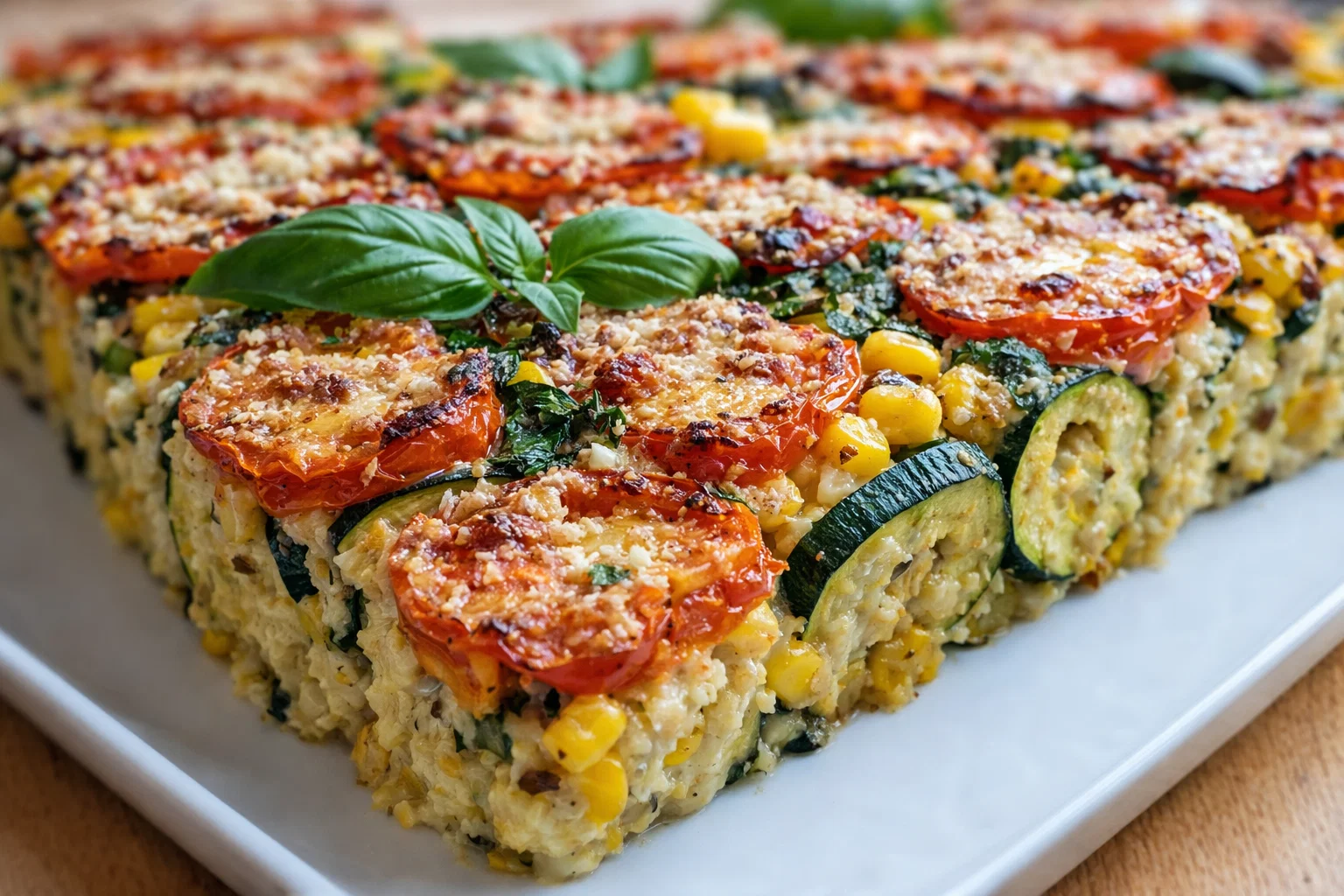
  • Tasty Cheesy Zucchini Tomato Bake Recipe

    Tasty Cheesy Zucchini Tomato Bake Recipe

    Tasty Cheesy Zucchini Tomato Bake Recipe: A Tropical Delight

    Introduction to Tasty Cheesy Zucchini Tomato Bake Recipe

    Looking for a delicious yet simple dish to add to your dinner recipes rotation? The Tasty Cheesy Zucchini Tomato Bake is the perfect solution! This dish combines the rich flavors of sweet zucchini and ripe tomatoes with a delightful cheesy topping that simply melts in your mouth. Whether you’re a busy parent looking for a quick weeknight meal or a food enthusiast searching for something healthy and comforting, this recipe caters to a wide range of dietary needs, including vegetarian and gluten-free options.

    In addition to being easy to prepare, this dish is packed with nutrients. Zucchini is low in calories, high in fiber, and packed with vitamins, making it a great addition to any meal. Tomatoes are rich in antioxidants, particularly lycopene, which has numerous health benefits. The combination of these ingredients not only creates a delicious meal but also offers a healthy alternative for those conscious of their diet.

    What’s more, this recipe can easily be customized to fit your personal preferences or dietary restrictions. Whether you prefer extra herbs for added flavor or vegan cheese for a plant-based twist, the Tasty Cheesy Zucchini Tomato Bake is versatile and forgiving. Allowing you to experiment makes it a delightful experience for all home cooks.

    Benefits and Advantages of Tasty Cheesy Zucchini Tomato Bake Recipe

    There are countless reasons why the Tasty Cheesy Zucchini Tomato Bake recipe stands out among other dinner recipes, starting with its remarkable simplicity. With just a handful of fresh ingredients and minimal preparation time, this dish is perfect for those bustling weeknight meals or casual gatherings. In just under an hour, you can have a colorful, hearty meal that everyone will rave about.

    Health Benefits

    When it comes to the health benefits of this dish, it shines brightly!

    • Low-Calorie: Zucchini is low in calories but high in water content, making this dish an excellent choice for anyone watching their caloric intake.
    • Rich in Nutrients: Packed with vitamins, minerals, and antioxidants, this bake supports overall health.
    • Fiber-Rich: The combination of zucchini and tomatoes provides dietary fiber, which aids digestion.
    • Customizable: As mentioned earlier, you can modify the ingredients to meet various dietary needs. For instance, you can substitute traditional cheese with a dairy-free alternative or choose whole-grain breadcrumbs for added fiber.

    Versatility

    The Tasty Cheesy Zucchini Tomato Bake recipe is incredibly versatile, which makes it suitable for everyone:

    • Families: Busy parents can easily whip this up in under an hour, serving it as a nutritious meal option that everyone will enjoy.
    • Vegetarians and Vegans: With simple substitutions, this dish can easily become a flavorful vegan option.
    • Health-Conscious Individuals: This recipe supports low-carb and gluten-free diets, accommodating diverse eating habits.

    Satisfying Comfort Food

    Lastly, comfort food should be satisfying, and this delightful bake is no exception. The melty cheese combined with the natural sweetness of zucchini and tangy tomatoes creates a cozy, comforting dish that warms the soul.

    Ingredients Overview

    Essential Ingredients for Tasty Cheesy Zucchini Tomato Bake Recipe

    Below is a list of ingredients you will need for this Tasty Cheesy Zucchini Tomato Bake, along with their approximate measurements:

    • Zucchini (3 medium-sized): Thinly sliced. Zucchini adds volume and nutrients without excess calories.
    • Tomatoes (2 large): Sliced. Fresh tomatoes contribute moisture and flavor.
    • Cheese (1 cup shredded, mozzarella or your choice): Provides that cheesy goodness; vegan cheese works well too.
    • Parmesan cheese (1/2 cup, grated): Adds richness and additional flavor.
    • Fresh basil (1/4 cup, chopped): For a fragrant aroma and an infusion of fresh flavor.
    • Olive oil (2 tbsp): Used for drizzling, enriching the bake with healthy fats.
    • Garlic (3 cloves, minced): For depth of flavor—feel free to reduce it if you prefer a milder taste.
    • Salt and pepper (to taste): Essential for balancing flavors.
    • Breadcrumbs (1/2 cup): Optional for a crunchy topping. Use gluten-free breadcrumbs for a gluten-free option.
    • Red pepper flakes (1 tsp, optional): Adds a bit of heat.

    Dietary Substitutions to Customize Your Tasty Cheesy Zucchini Tomato Bake Recipe

    This recipe is naturally adaptable to meet various dietary requirements:

    • Vegan Option: Substitute dairy cheese with your favorite plant-based cheese, or be creative with cashew cheese.
    • Gluten-Free Option: Ensure that your breadcrumbs are gluten-free and consider using almond flour as a topping.
    • Low-Carb Option: Skip the breadcrumbs entirely or use a nut-based crust to lower carbohydrates.
    • Herb Variations: If you don’t have fresh basil, consider using dried Italian herbs or oregano for additional flavor.

    Incorporating these substitutions allows you to enjoy the Tasty Cheesy Zucchini Tomato Bake no matter your dietary preferences or ingredient availability.

    How to Prepare the Perfect Tasty Cheesy Zucchini Tomato Bake Recipe: Step-by-Step Guide

    Cooking is an art, and each step should be approached with care. Here’s a detailed, step-by-step guide to preparing the Tasty Cheesy Zucchini Tomato Bake, ensuring it’s simple and enjoyable.

    1. Preheat the Oven: Start by preheating your oven to 375°F (190°C). This step is crucial as a properly heated oven guarantees even cooking.
    2. Prepare the Baking Dish: Lightly grease a 9×13 inch baking dish with olive oil or non-stick spray. This helps prevent sticking and allows for easy serving.
    3. Slice the Vegetables: Wash and thinly slice your zucchini and tomatoes. Aim for uniform slices to ensure even cooking.
    4. Season the Zucchini: Place the sliced zucchini in a bowl and drizzle a tablespoon of olive oil, sprinkle with salt, pepper, and minced garlic. Toss until well coated. Let it sit for about 10 minutes to allow the salt to draw out excess moisture.
    5. Layer the Ingredients: Start layering in the baking dish as follows:
      • First Layer: Use half of the zucchini slices on the bottom of the dish.
      • Second Layer: Follow with a layer of sliced tomatoes, making sure they slightly overlap for a beautiful presentation.
      • Third Layer: Add half of the shredded cheese—this will add creaminess and flavor to the bake.
    6. Repeat the Layers: Add the remaining zucchini and another layer of tomatoes. Top it with more cheese and the grated parmesan for that golden crust.
    7. Add Breadcrumbs: If you’re using breadcrumbs, sprinkle them on top for added crunch. Dust with red pepper flakes for a hint of spice.
    8. Bake: Place the baking dish in the preheated oven. Bake for 30-40 minutes or until the vegetables are tender and the top is golden and bubbly. Rotate the dish halfway through to ensure even cooking.
    9. Add Fresh Basil: Once out of the oven, sprinkle freshly chopped basil over the top for an aromatic finish.
    10. Serve: Allow the bake to cool for a few minutes before slicing. Serve warm as a main dish or a delightful side.

    By following these straightforward steps, you will create a mouthwatering Tasty Cheesy Zucchini Tomato Bake. Feel free to experiment with the seasoning and layers to make the dish uniquely yours!

    Mastering Tasty Cheesy Zucchini Tomato Bake Recipe: Advanced Tips and Variations

    To make the most out of your Tasty Cheesy Zucchini Tomato Bake and further delight your taste buds, consider these advanced tips and variations:

    • Zucchini Swaps: While zucchini is the star here, you can mix other vegetables into the bake, such as eggplant, bell peppers, or even mushrooms for an earthy undertone.
    • Herb Infusion: Add herbs like thyme, oregano, or dill for a different flavor profile. Fresh herbs elevate the dish while promoting health benefits!
    • Meat Lovers’ Variation: Consider adding cooked ground turkey or Italian sausage for a meaty twist. Layer it between the vegetables for added protein.
    • Spice Level: If you enjoy spiciness, try adding a diced jalapeño to the mix or substitute with a spicier cheese.
    • Cheese Combinations: Don’t limit yourself to just mozzarella! Blend three cheeses for a more complex flavor.
    • Presentation: For serving, try garnishing with a balsamic glaze or a dollop of yogurt to impress guests.

    These tips will not only help enhance your Tasty Cheesy Zucchini Tomato Bake but also allow you to personalize it to your family’s tastes and preferences.

    How to Store Tasty Cheesy Zucchini Tomato Bake Recipe: Best Practices

    Storing leftovers properly ensures that you can enjoy your delicious Tasty Cheesy Zucchini Tomato Bake for days to come. Here are the best storage practices:

    • Refrigeration: After your bake has cooled completely, cover it tightly with plastic wrap or transfer it to an airtight container. It will last in the fridge for up to 4 days.
    • Freezing: If you want to store it for a longer period, you can freeze the Tasty Cheesy Zucchini Tomato Bake. Cut it into individual portions, wrap each piece in foil, and place them in a freezer-safe container. It can be stored for up to 3 months.
    • Reheating: When you’re ready to enjoy leftovers, reheat them in the oven at 350°F (175°C) for about 20 minutes or until heated through. For a quick option, you can use the microwave, but the oven will help maintain the dish’s crispy topping.

    By following these storage tips, you can enjoy this fantastic recipe multiple times!

    Nutritional Value of Tasty Cheesy Zucchini Tomato Bake Recipe

    Understanding the nutritional value of your meal is essential, especially with the focus on health. Here’s a breakdown of the approximate nutritional information for one serving of Tasty Cheesy Zucchini Tomato Bake (based on 8 servings, excluding optional ingredients):

    • Calories: 180
    • Total Fat: 10g
    • Saturated Fat: 4g
    • Cholesterol: 20mg
    • Sodium: 250mg
    • Total Carbohydrates: 15g
    • Dietary Fiber: 3g
    • Sugars: 5g
    • Protein: 8g

    This nutritional breakdown shows that the Tasty Cheesy Zucchini Tomato Bake is a balanced dish full of good ingredients. The fiber from the vegetables promotes hunger satisfaction while keeping overall calories in check. Adjusting the portions and cheese types can heavily influence nutritional value, making it easy to cater to various dietary needs.

    FAQs: Frequently Asked Questions About Tasty Cheesy Zucchini Tomato Bake Recipe

    1. Can I make this dish ahead of time?

    Yes! You can prepare this bake a day in advance. Store it in the refrigerator before baking, and simply pop it in the oven when you’re ready to serve.

    2. Can I use frozen zucchini or tomatoes?

    While fresh ingredients yield the best results, you can use frozen zucchini or tomatoes. However, be sure to thaw and drain excess moisture to prevent the dish from becoming watery.

    3. What’s a good substitute for cheese?

    If you’re looking for a dairy-free option, consider using nutritional yeast, cashew cheese, or a store-bought vegan cheese.

    4. How can I make it spicy?

    To add heat, mix in diced jalapeños, crushed red pepper flakes, or opt for a spicy cheese variety.

    5. Is it okay to add meat?

    Absolutely! Incorporate cooked ground meat, such as turkey or chicken, for a heartier meal. Layer it with the vegetables for balanced deliciousness.

    6. What should I serve with this dish?

    Tasty Cheesy Zucchini Tomato Bake pairs well with a side salad, garlic bread, or simply enjoyed on its own as a filling, wholesome meal.

    In conclusion, the Tasty Cheesy Zucchini Tomato Bake is a flavorful and nutritious addition to your collection of dinner recipes. Its simplicity, health benefits, versatility, and deliciousness make it an ideal choice for all occasions. We hope you are inspired to try this delightful dish and encourage your friends and family to join you in the kitchen. Happy cooking!

  • Seasoned Roasted Potatoes And Carrots

    Seasoned Roasted Potatoes And Carrots

    Seasoned Roasted Potatoes And Carrots: A Tropical Delight

    Introduction to Seasoned Roasted Potatoes And Carrots

    Embarking on culinary adventures can be both exciting and rewarding, especially when exploring dinner ideas that are simple yet delicious. Our recipe for seasoned roasted potatoes and carrots brings together the earthy goodness of root vegetables, enhanced with vibrant spices to create an explosion of flavor. This dish is not only visually appealing with its warm hues, but it is also incredibly easy to prepare, making it an excellent choice for busy parents, students, food enthusiasts, and anyone looking for healthy meal options.

    What makes seasoned roasted potatoes and carrots stand out is their adaptability; this recipe is vegan-friendly, gluten-free, and low-calorie, catering to various dietary needs without compromising on taste. With minimal preparation time and just a few key ingredients, you can whip up this delightful dish that serves as a perfect side or a main event on its own. Plus, the health benefits of root vegetables are numerous – they are packed with vitamins, minerals, and antioxidants that support your overall well-being.

    Whether you’re hosting a dinner party or preparing a cozy family meal, these seasoned roasted potatoes and carrots are destined to become a staple in your household. Join us as we dive deeper into the wonders of this recipe and learn how you can invite these delectable veggies into your kitchen!

    Benefits and Advantages of Seasoned Roasted Potatoes And Carrots

    When it comes to crafting remarkable dinner ideas, seasoned roasted potatoes and carrots set the bar high due to their effortless preparation and remarkable health benefits. This dish is very approachable, making it suitable for novice cooks and seasoned chefs alike. Let’s explore the advantages of incorporating this recipe into your meal prep routine.

    Ease of Preparation

    One of the standout features of this dish is its simplicity. With just a handful of ingredients and minimal cooking techniques required, this recipe can fit into even the busiest of schedules. For instance, you can prep your vegetables in under 15 minutes, seasoning them effortlessly while your oven preheats. Busy parents can easily involve their children in the preparation process, turning cooking time into a fun family activity.

    Health Benefits

    Health-conscious individuals will appreciate the nutritional value of this dish. Both potatoes and carrots offer a wealth of health benefits:
    Potatoes: They are rich in potassium, which is essential for maintaining a healthy heart and managing blood pressure. Additionally, potatoes are a great source of vitamin C and contain fiber, promoting digestive health.
    Carrots: These vibrant veggies are high in beta-carotene, which supports good vision and boosts immune function. They also help in maintaining healthy skin.

    Moreover, this recipe contains no added fats, making it an excellent choice for those watching their caloric intake. Roasting the vegetables brings out their natural sweetness and adds a delightful crunch without the need for heavy cream or excessive oils.

    Versatility

    This recipe is versatile and can be easily tailored to suit various palates and dietary requirements, further making it an ideal option for gatherings or casual dining. You can spice it up with different herbs and seasonings, adjust the cooking time for varying vegetable sizes, or experiment with cooking methods, like air frying or grilling. Adaptations make it easy to accommodate everyone at the dinner table, from vegan eaters to gluten-sensitive individuals.

    Given these compelling reasons, seasoned roasted potatoes and carrots earn their place as a go-to recipe when considering dinner ideas that are nutritious, practical, and utterly delicious.

    Ingredients Overview

    Essential Ingredients for Seasoned Roasted Potatoes And Carrots

    To create a memorable dish of seasoned roasted potatoes and carrots, you’ll need the following ingredients:

    1. Potatoes (2 pounds, diced) – Use a mix of red and Yukon gold potatoes for a varied texture and flavor.
    2. Carrots (1 pound, sliced) – Fresh, firm carrots enhance sweetness and color.
    3. Olive Oil (4 tablespoons) – Provides healthy fats and aids in roasting.
    4. Garlic Powder (1 teaspoon) – Adds depth to flavor without overpowering the dish.
    5. Onion Powder (1 teaspoon) – Complements the garlic with a savory note.
    6. Dried Herbs (2 teaspoons; mixed Italian herbs or thyme) – Infuses the veggies with aromatic goodness.
    7. Salt (to taste) – Enhances the overall flavor profile.
    8. Pepper (to taste) – Offers a little hint of spice.

    For those on specific diets:
    Vegan: This recipe is naturally vegan, requiring no animal products.
    Gluten-Free: All ingredients are gluten-free, making it safe for those with gluten sensitivities.
    Low-Calorie: With minimal oil and nutritious ingredients, this dish is suitable for low-calorie meal plans.

    Every ingredient serves a purpose, enhancing the dish’s flavors and textures, while still respecting a variety of dietary needs.

    Dietary Substitutions to Customize Your Seasoned Roasted Potatoes And Carrots

    If you or your guests have specific dietary preferences or restrictions, consider these substitutions:

    • Oil Alternatives: Replace olive oil with avocado oil or coconut oil for varied taste profiles and added health benefits. Air frying allows for oil reduction while still achieving that crispy finish.
    • Herb Variations: Experiment with rosemary, dill, or paprika to create custom flavors. Fresh herbs can elevate your dish further, adding brightness.
    • Vegetable Additions: Feel free to mix in other root vegetables like parsnips or sweet potatoes for a unique twist. These vegetables can provide even more nutrients.
    • Seasoning Changes: Swap out garlic powder and onion powder for fresh minced garlic and shallots for an intensified flavor. Additionally, zesty seasonings like smoked paprika or chili powder can add an unexpected kick.
    • Dietary Accommodations: Ensure to check ingredient labels and adjust seasonings for sodium content if you’re monitoring your intake. For those avoiding specific allergens, consider swapping out for alternatives without compromising flavor.

    These simple substitutions open up a world of flavor possibilities and help tailor the dish to your liking while making it fit neatly within your dinner ideas repertoire.

    How to Prepare the Perfect Seasoned Roasted Potatoes And Carrots: Step-by-Step Guide

    Now that you have your ingredients ready and understand their benefits, let’s delve into the precise steps to prepare your seasoned roasted potatoes and carrots. This step-by-step guide will ensure that your dish comes out perfectly every time.

    1. Preheat the Oven: Set your oven to 425°F (220°C) to ensure it’s hot enough for roasting, which caramelizes the veggies nicely.

    2. Prepare the Base: Wash and scrub the potatoes and carrots thoroughly. Then, dice the potatoes into even pieces (about 1-inch cubes) and slice the carrots into coins (½-inch thick) for even cooking.

    3. Combine Ingredients: In a large bowl, combine the diced potatoes and carrots. Drizzle the olive oil over the vegetables.

    4. Mix Ingredients: Sprinkle the garlic powder, onion powder, dried herbs, salt, and pepper over the veggies. Using your hands or a spatula, toss the vegetables thoroughly to ensure they are evenly coated with oil and seasonings.

    5. Arrange on a Baking Sheet: Line a baking sheet with parchment paper for easy cleanup. Spread the seasoned vegetables out in a single layer, ensuring they have space between them for proper roasting.

    6. Roast the Vegetables: Place the baking sheet in the preheated oven. Roast for 30-35 minutes, stirring once halfway through for even browning. The potatoes should be golden and crispy, while the carrots become tender.

    7. Check for Doneness: After 30 minutes, check the roasted vegetables. They should be tender and easily pierced with a fork, with a beautiful golden-brown exterior.

    8. Serve and Enjoy: Remove the baking sheet from the oven and let the veggies cool for a couple of minutes. Taste and adjust seasoning if necessary. Serve warm as a delightful side dish or a vibrant centerpiece for your dinner plate.

    9. Tips for Customization: Remember, you can customize cook times based on the size of your vegetable pieces; smaller pieces will cook faster, while larger chunks may require a few more minutes. Feel free to sprinkle fresh herbs over the dish before serving for an added pop of flavor.

    By following these straightforward steps, you’ll create a tasty dish that not only provides a culinary delight but also fits seamlessly into your collection of dinner ideas.

    Mastering Seasoned Roasted Potatoes And Carrots: Advanced Tips and Variations

    While our essential recipe for seasoned roasted potatoes and carrots is delicious as is, here are some advanced tips and variations to elevate your dish to a new level:

    Advanced Tips

    1. Crisper Texture: For a crisper result, soak the cut potatoes in cold water for at least 30 minutes before roasting. This technique removes excess starch, resulting in a crunchier exterior.

    2. Flavor Profiling: For a Mediterranean twist, add lemon zest and juice before serving. It brightens the dish and provides a refreshing contrast to the hearty veggies.

    3. Herb Infusions: Use fresh herbs like thyme, rosemary, or parsley at the end of cooking to add a burst of freshness. Adding a hint of balsamic vinegar before serving can also provide depth.

    4. Adaptive Cooking Methods: Consider using an air fryer for a quicker version of crispy roasted vegetables. Adjust the cooking time to around 15-20 minutes, shaking the basket occasionally to ensure even roasting.

    Variations to Try

    1. Spicy Kick: Incorporate spices like cumin or chili powder for a kicked-up version that leaves a lingering warmth.

    2. Cheesy Delight: Before serving, sprinkle grated Parmesan cheese or nutritional yeast over the hot veggies for a cheesy flavor without the extra calories.

    3. Add Other Vegetables: Mix in other seasonal vegetables like bell peppers, zucchini, or Brussels sprouts for a colorful and varied dish that includes even more nutrients.

    4. Fusions: Consider making a curry-flavored version by adding curry powder to the seasoning mix. Serve it over a bed of quinoa for a wholesome meal packing protein and flavor.

    The versatility in this recipe allows you to adapt it to your preferences while exploring exciting new flavors, ensuring it won’t easily tire out your palate. With these tips and variations, your dinner ideas will not only be delicious but also continuously refreshing.

    How to Store Seasoned Roasted Potatoes And Carrots: Best Practices

    To maximize the shelf life of your seasoned roasted potatoes and carrots, following proper storage techniques is essential. Doing so enhances their longevity without sacrificing flavor or texture.

    Refrigeration

    1. Cool Before Storing: Allow the roasted vegetables to cool completely before placing them in the fridge. This prevents moisture build-up, reducing the risk of sogginess.

    2. Use Airtight Containers: Store the cooled veggies in an airtight container. This helps to maintain their freshness and aroma. The dish can typically last about 4-5 days in the refrigerator.

    Freezing

    1. Prepare for Freezing: If you wish to freeze the roasted potatoes and carrots, it’s best to blanch the veggies before roasting. This process helps to preserve color and nutrients but is optional for roasted remains.

    2. Cool and Pack: Once cooled, pack the vegetables in freezer-safe containers or bags, removing as much air as possible to prevent freezer burn. Properly stored, they can last up to three months in the freezer.

    Reheating

    1. Reheat in the Oven: For the best texture, reheat the roasted vegetables in the oven at 375°F (190°C) for about 10-15 minutes. This will help to restore their crispiness.

    2. Microwave Option: While reheating in the microwave is quicker, avoid soggy results by heating in 30-second intervals, stirring after each session, until warmed through.

    By following these best practices, your seasoned roasted potatoes and carrots can be enjoyed whenever the craving strikes and continue delivering on the promise of fantastic dinner ideas.

    Nutritional Value of Seasoned Roasted Potatoes And Carrots

    Understanding the nutritional value of your dishes can enhance your meal planning experience. Our seasoned roasted potatoes and carrots offer excellent health benefits to consider.

    Nutritional Breakdown (Per Serving, Approx. 1 cup)

    • Calories: 150
    • Total Fat: 5g
    • Saturated Fat: 1g
    • Trans Fat: 0g
    • Cholesterol: 0mg
    • Sodium: 400mg (adjustable based on salt)
    • Total Carbohydrates: 28g
    • Dietary Fiber: 4g
    • Sugars: 3g
    • Protein: 2g

    Vitamins and Minerals

    • Vitamin A: 184% DV (due to carrots)
    • Vitamin C: 31% DV (potatoes)
    • Calcium: 3% DV
    • Iron: 7% DV
    • Potassium: 425mg (beneficial for heart health)

    These nutritional elements underline the suitability of seasoned roasted potatoes and carrots for those seeking healthy choice options within particularly well-rounded dinner ideas. The fiber content supports digestive health while vitamins A and C enhance immunity, making this a well-balanced addition to your meal rotation.

    FAQs: Frequently Asked Questions About Seasoned Roasted Potatoes And Carrots

    Q1: Can I use other vegetables in this recipe?

    Absolutely! Feel free to mix in seasonal vegetables like sweet potatoes, parsnips, or bell peppers. Adjust cooking time as necessary based on how well the various vegetables roast.

    Q2: What can I serve with seasoned roasted potatoes and carrots?

    These roasted veggies pair beautifully with various proteins, such as grilled chicken, fish, or plant-based proteins for a completely balanced meal.

    Q3: How do I ensure even cooking for the vegetables?

    Cutting your vegetables into uniform pieces is key. Smaller pieces will cook faster and create that desirable crispy texture, while larger chunks may need additional time.

    Q4: Can I prepare this dish in advance?

    Yes! You can wash and chop your vegetables a day beforehand and keep them in the fridge. Just season and roast them right before serving for freshness.

    Q5: How can I make this dish spicy?

    For a spicy flavor, simply add red pepper flakes or cayenne pepper to the seasoning mix. This allows you to control the intensity of heat based on your preferences.

    Q6: Is this recipe suitable for meal prep?

    Absolutely! This dish is perfect for meal prep. Roasted potatoes and carrots can be stored in the fridge for several days, making them a convenient side or snack option.

    Q7: How do I store leftovers?

    Ensure that your leftovers are completely cooled before transferring them to an airtight container. They can last up to 4-5 days in the fridge and can be reheated in the oven for the best texture.

    With these FAQs addressed, you now possess the knowledge to tackle any inquiries about seasoned roasted potatoes and carrots, securing their status among excellent dinner ideas to incorporate into your cooking repertoire.

    In conclusion, seasoned roasted potatoes and carrots offer a nutritious, versatile, and delicious option for any meal. Their adaptability and health benefits make them a perfect choice for various dietary needs, assuring they remain a beloved staple for all home cooks alike. Give it a try and experiment with flavors, and you’re bound to uncover a new family favorite in no time!

  • Swiss Cheese Pea Salad Casserole

    Swiss Cheese Pea Salad Casserole

    Swiss Cheese Pea Salad Casserole: A Tropical Delight

    Introduction to Swiss Cheese Pea Salad Casserole

    If you’re searching for a delightful dish that brings flavor, nutrition, and simplicity together, look no further than the Swiss Cheese Pea Salad Casserole. This unique casserole stands as one of the best dinner recipes for busy families, working professionals, and health-conscious individuals. Bursting with vibrant peas and the creamy goodness of Swiss cheese, it’s not just a feast for the taste buds but also a rich source of vitamins and minerals. Furthermore, the ingredients are simple and accessible, making it an ideal choice for novice and experienced home cooks alike.

    What’s truly fantastic about this recipe is its versatility. It’s gluten-free, can easily be made vegan, and offers plenty of low-calorie options, catering to various dietary preferences. The delightful combination of flavors and textures will surely impress your family and friends, making Swiss Cheese Pea Salad Casserole an excellent dish to serve for gatherings, potlucks, or simply as a comforting family meal. Whether you’re a busy parent seeking quick dinner ideas or a student looking for healthy recipes that won’t break the bank, this casserole makes for a wholesome choice that is satisfying and nourishing. So let’s dive into the detailed world of this scrumptious dish and get cooking!

    Benefits and Advantages of Swiss Cheese Pea Salad Casserole

    Swiss Cheese Pea Salad Casserole is not only delicious but also exceptionally beneficial for everyone. One of the primary advantages of this recipe is its straightforward preparation. Even if you’re juggling a busy schedule, you’ll find that the ingredients come together effortlessly. With just a few steps, you can create a dish that will please both your palate and your nutritional goals.

    Health-conscious cooks will be glad to know that the casserole is packed with protein, fiber, and essential vitamins. Peas are well-known for their health benefits, such as boosting digestion and providing high-quality protein. The Swiss cheese adds a delightful creaminess while being a fantastic source of calcium. Feel free to swap in lower-fat cheese options to lighten the dish if you’re watching your fat intake.

    This casserole also caters to various dietary needs. If you need a gluten-free meal, simply opt for gluten-free breadcrumbs or skip them altogether. For vegan alternatives, creamy cashew cheese can replace Swiss cheese, ensuring everyone can enjoy it without compromising flavor. This adaptability is one of the standout features of the Swiss Cheese Pea Salad Casserole, making it an essential recipe for anyone’s repertoire.

    Additionally, this dish is ideal for meal prep! You can easily prepare it in advance and reheat it later, making it a practical option for those of us who thrive on busy weekdays. The casserole tends to taste even better the next day when the flavors have had time to meld. Overall, it’s a delightful mix of taste, nutrition, and convenience.

    Ingredients Overview

    Essential Ingredients for Swiss Cheese Pea Salad Casserole

    To prepare a delicious Swiss Cheese Pea Salad Casserole, you will need the following essential ingredients:

    • 2 cups of frozen peas: Fresh or frozen peas are nutritious and full of fiber, making them a perfect base for this dish.
    • 1 cup of Swiss cheese, shredded: This will provide those creamy, melty textures that make casseroles so enjoyable.
    • 1/2 cup of mayonnaise (or a vegan alternative): Adds creaminess to the salad and improves the binding of ingredients. Consider using Greek yogurt for a healthier twist.
    • 1/4 cup of diced onion: For a pop of flavor, onion adds depth and aroma to your casserole.
    • 1 cup of crispy breadcrumbs: This is optional, but they add the perfect crunch topping to contrast with the creaminess.
    • 1 tablespoon of lemon juice: This brightens up the dish and enhances overall flavors.
    • Salt and pepper to taste: Essential seasonings that elevate the dish.

    Note: If you prefer a gluten-free version, ensure that you select gluten-free breadcrumbs or completely omit them for a lighter casserole!

    Dietary Substitutions to Customize Your Swiss Cheese Pea Salad Casserole

    There are several ways to adapt this recipe for different dietary needs and ingredient availability:

    • For Gluten-Free Options: Use gluten-free breadcrumbs or an almond flour topping. Numerous products are available that can meet gluten-free standards.
    • For Vegan Alternatives: Substitute Swiss cheese with a plant-based cheese or cashew cheese and replace mayonnaise with a vegan mayo or unsweetened yogurt.
    • For Low-Calorie Needs: Use low-fat Swiss cheese, Greek yogurt instead of mayonnaise, and limit the amount of breadcrumbs to reduce calories.
    • Nut-Free Options: Ensure that vegan substitutes do not contain nuts if you have allergy concerns. There are many nut-free cheese options on the market today.

    This flexibility makes Swiss Cheese Pea Salad Casserole a dish that everyone can enjoy, regardless of dietary restrictions or preferences.

    How to Prepare the Perfect Swiss Cheese Pea Salad Casserole: Step-by-Step Guide

    Follow these step-by-step instructions to create the perfect Swiss Cheese Pea Salad Casserole. Each step is designed to be clear and easy to follow, ensuring a successful outcome.

    1. Preheat your oven: As a first step, preheat your oven to 350°F (175°C) to make sure it’s ready for your casserole.

    2. Prepare the peas: If using frozen peas, rinse them under warm water to slightly thaw. If using fresh peas, simply shell them as needed.

    3. Mix the dressing: In a medium mixing bowl, combine the mayonnaise (or vegan alternative) and lemon juice, mixing until smooth. Add salt and pepper to taste.

    4. Combine the base ingredients: In a large mixing bowl, combine the peas, diced onion, and half of the shredded Swiss cheese. Mix them together thoroughly.

    5. Incorporate the dressing: Pour the mayonnaise mixture over the combined pea mixture, and stir until all ingredients are evenly coated.

    6. Prepare for baking: Transfer the mixture to a greased casserole dish, spreading it evenly with a spatula.

    7. Add the topping: Sprinkle the crispy breadcrumbs evenly over the top of the casserole, followed by the remaining Swiss cheese.

    8. Bake the casserole: Place the casserole in the preheated oven and bake for 25-30 minutes, or until the top is golden brown and bubbly.

    9. Serve: Remove from the oven and allow to cool for a few minutes before serving. This will make it easier to portion and enjoy!

    Each of these steps is adaptable to suit various dietary preferences. For example, if you’re making a gluten-free version, just skip any gluten-containing toppings. This broad applicability makes the Swiss Cheese Pea Salad Casserole one of the best dinner recipes you can make!

    Mastering Swiss Cheese Pea Salad Casserole: Advanced Tips and Variations

    While Swiss Cheese Pea Salad Casserole is fantastic as is, consider these advanced tips and variations to elevate the dish further:

    • Add Fresh Herbs: Incorporate fresh herbs like parsley, dill, or chives for added flavor and a pop of color. This can enhance the visual appeal while boosting nutritional benefits.

    • Spice it Up: Add a pinch of cayenne pepper or red pepper flakes to give the dish a kick. For those who enjoy heat, this is an excellent way to make the casserole even more exciting.

    • Mix in Fusilli Pasta: For a heartier version, mix in some cooked fusilli pasta. The spices and cheese blend beautifully with the pasta, transforming the casserole into a true comfort meal.

    • Alternative Cheese Choices: Although Swiss cheese is delightful, you can try mixing it with other types like cheddar, mozzarella, or even feta for a unique twist.

    • Serving Suggestions: Pair your casserole with a light green salad or grilled vegetables to complement the richness of the dish.

    Experimenting with these tips and variations allows you to make the Swiss Cheese Pea Salad Casserole your own and delights every palate at the table, firmly establishing it as a top contender in your collection of dinner recipes.

    How to Store Swiss Cheese Pea Salad Casserole: Best Practices

    Knowing how to store your Swiss Cheese Pea Salad Casserole properly will ensure it stays delicious and fresh. Here’s how to do it:

    • Refrigeration: If you have leftovers, allow the casserole to cool completely before transferring it to an airtight container. Place it in the refrigerator, where it will be safe to eat for up to 3-4 days.

    • Freezing: You can freeze the casserole as well. Ensure it is fully cooled, then wrap it tightly in plastic wrap followed by aluminum foil to prevent freezer burn. It can be frozen for up to 2-3 months.

    • Reheating: To reheat leftovers, baking in the oven is the best option. Preheat your oven to 350°F (175°C) and place the casserole in for about 20-25 minutes or until heated through. If reheating from frozen, it’s best to allow it to thaw overnight in the fridge before warming in the oven.

    Proper storage ensures that this Swiss Cheese Pea Salad Casserole remains as enjoyable on the second day as it does freshly baked. These considerations make it a practical choice among your go-to dinner recipes.

    Nutritional Value of Swiss Cheese Pea Salad Casserole

    Understanding the nutritional value of your meals can help you make informed choices. Here’s an approximate nutritional breakdown per serving of Swiss Cheese Pea Salad Casserole, assuming eight servings:

    • Calories: 240
    • Total Fat: 12g
    • Saturated Fat: 4g
    • Cholesterol: 25mg
    • Sodium: 400mg
    • Total Carbohydrates: 24g
    • Dietary Fiber: 5g
    • Sugars: 2g
    • Protein: 10g

    Keep in mind that substitutions may slightly alter these values, especially if you choose low-fat or vegan options. This dish is rich in protein from the peas and cheese while offering a healthy serving of fiber. It fits perfectly into a balanced diet and can provide energy for anyone from working professionals to busy parents.

    FAQs: Frequently Asked Questions About Swiss Cheese Pea Salad Casserole

    Can I make Swiss Cheese Pea Salad Casserole in advance?

    Absolutely! Preparing the casserole a day ahead is a great option. Just store it in the fridge and bake it right before serving.

    Can I use fresh peas instead of frozen for this recipe?

    Yes! Fresh peas work well and can give a delightful crunch. Just ensure they’re cooked just slightly before adding to the dish.

    What can I use as a substitute for mayonnaise?

    Greek yogurt or a vegan mayonnaise can serve as fantastic substitutes for mayonnaise while maintaining creaminess in the casserole.

    Is it possible to freeze the casserole?

    Yes, you can freeze Swiss Cheese Pea Salad Casserole. Ensure it’s well-wrapped to prevent freezer burn.

    Is this casserole vegetarian-friendly?

    Yes, it is mainly vegetarian! To make it fully vegetarian, just ensure that any cheese alternatives are not derived from animal products.

    By addressing these common questions, you can help readers feel more confident in trying their hand at this delightful Swiss Cheese Pea Salad Casserole. Enjoy your culinary adventures!

  • Easy Low Carb Chicken Casserole Dinner

    Easy Low Carb Chicken Casserole Dinner

    Easy Low Carb Chicken Casserole Dinner: A Tropical Delight

    Introduction to Easy Low Carb Chicken Casserole Dinner

    Are you in search of simple and delicious easy dinner recipes to satisfy your taste buds while keeping your health goals in check? Look no further! This Easy Low Carb Chicken Casserole Dinner is the perfect dish for anyone who appreciates the blend of simplicity and wholesome ingredients. Ideal for busy families, students, or those just looking to eat healthier without sacrificing flavor, this recipe is laden with nourishing ingredients that will leave you feeling satisfied and energized.

    Imagine a dish where tender chicken meets vibrant vegetables, all baked in a creamy sauce that brings the tropical feel right to your dining room. This casserole isn’t just a feast for your palate; it’s packed with lean protein, essential vitamins, and mouthwatering flavor. Whether you’re a newlywed trying to impress your partner, a senior looking for nutritious meal options, or a working professional seeking quick solutions after a long day, this dish fits the bill perfectly.

    Not only is it easy to prepare, but it can also be modified to fit vegan, gluten-free, and low-calorie preferences. With this casserole in your culinary arsenal, you’ll always have a go-to recipe for those hectic weeknights when time is of the essence. So, roll up your sleeves and let’s dive into this delightful, easy low carb chicken casserole dinner that promises to revitalize your dinner routine and inspire the inner chef in you!

    Benefits and Advantages of Easy Low Carb Chicken Casserole Dinner

    There are countless reasons to dot your cooking repertoire with this Easy Low Carb Chicken Casserole Dinner recipe. Not only is it a fantastic example of easy dinner recipes, but it also showcases several benefits that make it a standout choice for anyone focusing on a low-carb lifestyle.

    Time-Efficient Meal Preparation

    One of the most appealing aspects of this dish is its simplicity. With minimal prep time and quick cooking, you can have this casserole ready and on the table in under an hour. This makes it an excellent option for busy parents juggling work and family responsibilities, students cramming for exams, or anyone who values their time.

    Health Benefits

    This casserole isn’t just low in carbohydrates; it’s also rich in nutrients. Chicken breast is a lean source of protein that not only helps maintain muscle mass but also keeps you feeling full, which is essential for those aiming to manage their weight. The vibrant veggies included in the casserole, such as bell peppers, broccoli, and zucchini, provide various vitamins and minerals, ensuring that your meal is balanced and nourishing.

    Dietary Flexibility

    Are you following specific dietary restrictions? Not to worry! This dish can easily be adapted to cater to various dietary preferences. Whether you want to go vegan, gluten-free, or simply reduce sodium, there are substitutions you can make to fit your needs seamlessly. This versatility makes it one of those easy dinner recipes that can serve as a foundation for numerous variations.

    Family-Friendly Appeal

    Who doesn’t love a piping hot casserole? The creamy, cheesy goodness is typically a crowd-pleaser, making it a fantastic dish for family gatherings or potlucks. This meal allows you to explore flavors and textures that cater to both adults and kids alike.

    Meal Prep Friendly

    Have leftovers? No problem! This Easy Low Carb Chicken Casserole can be easily stored and reheated for a simple meal later in the week. This feature aligns perfectly with the needs of busy professionals and parents, ensuring you won’t have to cook every single day.

    In conclusion, the Easy Low Carb Chicken Casserole Dinner shines on many levels, from its ease of preparation to its health benefits. So, if you are on the hunt for a nourishing meal that fits your lifestyle and satisfies cravings, this recipe is your answer!

    Ingredients Overview

    Essential Ingredients for Easy Low Carb Chicken Casserole Dinner

    To create this delightful dish, you will need the following ingredients. Not only do these components work in harmony to deliver taste, but they also ensure that your casserole is packed with nutrition:

    • 2 cups cooked chicken breast, shredded – Provides lean protein.
    • 1 cup broccoli florets – Adds vitamins K and C.
    • 1 cup bell peppers (any color), diced – Brings antioxidants and vibrant color.
    • 1 cup zucchini, diced – Contributes fiber and hydration.
    • 1 cup cauliflower rice – Acts as a low-carb alternative to traditional rice.
    • 1 cup shredded cheese (cheddar or mozzarella) – Adds creaminess and flavor.
    • 1/2 cup heavy cream or coconut milk (for dairy-free option) – Provides richness to the sauce.
    • 2 teaspoons garlic powder – Enhances flavor without the hassle of chopping fresh garlic.
    • 1 teaspoon onion powder – Gives depth to the dish.
    • Salt and pepper to taste – Essential seasonings for overall flavor.

    Dietary Note: For a vegan version, replace the chicken with chickpeas or tofu, use nutritional yeast instead of cheese, and substitute heavy cream with a plant-based creamer. For a gluten-free alternative, ensure any pre-packaged ingredients, like sauces, are labeled gluten-free.

    Dietary Substitutions to Customize Your Easy Low Carb Chicken Casserole Dinner

    Customizing your Easy Low Carb Chicken Casserole Dinner is straightforward, thanks to its simple ingredient list:

    • Chicken: Swap shredded chicken for cooked lentils or black beans if you prefer plant-based protein.
    • Cream: To make this casserole dairy-free, opt for almond or oat milk in place of heavy cream.
    • Cheese: Try vegan cheese shreds or omit the cheese for a dairy-free alternative.
    • Vegetables: Adapt the recipe based on whatever vegetables you have on hand. Spinach, asparagus, or mushrooms make excellent substitutes.
    • Spices: For those who love a kick, consider adding cayenne pepper or paprika to the mix.

    Tailoring your casserole to fit various dietary needs will ensure everyone can enjoy this delectable dish while feeding their individual health goals!

    How to Prepare the Perfect Easy Low Carb Chicken Casserole Dinner: Step-by-Step Guide

    Creating the Easy Low Carb Chicken Casserole Dinner is as easy as 1-2-3. Follow these clear steps to whip up a scrumptious meal that’s sure to impress any dinner guest, all while being conscious of dietary needs.

    1. Preheat Your Oven: Preheat the oven to 350°F (175°C). This step is crucial for achieving that perfect golden, bubbly finish.

    2. Prep the Chicken: If you haven’t cooked your chicken yet, boil, bake, or sauté it until fully cooked, then shred it into bite-sized pieces. Alternatively, you can use leftover rotisserie chicken to save time.

    3. Prepare the Vegetables: Wash and chop all vegetables finely to ensure they cook evenly during baking. Use a knife or food processor for quick preparation.

    4. Mix Ingredients: In a large mixing bowl, combine the cooked chicken, broccoli, bell peppers, zucchini, cauliflower rice, and half of the shredded cheese. Stir in heavy cream and add garlic powder, onion powder, salt, and pepper. Mix until all ingredients are well coated.

    5. Transfer to Baking Dish: Lightly grease a 9×13-inch casserole dish with cooking spray or olive oil. Pour the chicken and vegetable mixture into the prepared dish, spreading it evenly.

    6. Top with Cheese: Sprinkle the remaining shredded cheese on top of the mixture for that cheesy, irresistible crust.

    7. Bake: Place the casserole into the preheated oven and bake for 30-35 minutes, or until the cheese is melted and bubbly, and the vegetables are tender.

    8. Serving: Remove the casserole from the oven and let it cool for a few minutes before serving. This allows the flavors to meld beautifully.

    This recipe embodies the essence of easy dinner recipes, and with each step, you can envision minor tweaks to cater to your tastes or dietary requirements.

    Mastering Easy Low Carb Chicken Casserole Dinner: Advanced Tips and Variations

    While the basic Easy Low Carb Chicken Casserole is a masterpiece on its own, elevating it can make it even more exciting! Here are some advanced tips and variations to consider:

    Flavor Enhancements

    • Fresh Herbs: Adding fresh herbs such as basil, parsley, or thyme can brighten the flavor of the dish and give it a gourmet touch.
    • Hot Sauce: For the spice lovers, a few dashes of your favorite hot sauce while mixing ingredients can elevate the flavor profile.

    Cooking Methods

    • Slow Cooker: For those busy days, consider preparing this casserole in a slow cooker. Simply mix all the ingredients as outlined and let it cook on low for 4-6 hours.
    • Instant Pot: Use the Instant Pot for a faster option. Sauté veggies and chicken, stir in the remaining ingredients, and cook on manual high pressure for 10 minutes.

    Serving Suggestions

    • On a Bed of Greens: Serving the casserole atop a bed of fresh spinach or mixed greens adds extra nutrition and freshness.
    • Side Dishes: Pair with a light salad or grilled vegetables to round out your meal.

    By experimenting with flavors and cooking techniques, you can personalize your Easy Low Carb Chicken Casserole Dinner and make it a consistent part of your meal rotation!

    How to Store Easy Low Carb Chicken Casserole Dinner: Best Practices

    Storing your Easy Low Carb Chicken Casserole Dinner properly is essential, especially if you want to enjoy it later in the week. Here’s how:

    Refrigeration

    • Cool Completely: Allow the casserole to cool completely at room temperature before storing.
    • Airtight Container: Transfer leftovers to an airtight container. This prevents moisture loss and keeps the dish fresh.
    • Refrigerate: Store in the refrigerator for up to 3 to 4 days.

    Freezing

    • Freeze Before Baking: If you want to freeze the casserole, it’s best to do this before baking. Assemble your casserole, cover it tightly with plastic wrap and aluminum foil, and store it in the freezer.
    • Baking After Freezing: When you’re ready to enjoy your dish, thaw it in the fridge overnight, then bake as usual.
    • Stored Baked Casserole: If you freeze leftovers after baking, make sure to reheat them in the oven or microwave until heated through.

    Reheating

    • Oven: For the best results, reheat leftover casserole in a preheated oven at 350°F (175°C) for about 20 minutes, covering with foil to prevent drying.
    • Microwave: If you’re in a hurry, individual servings can also be reheated in the microwave for 2-3 minutes, checking to ensure it heats evenly.

    These storage and reheating tips ensure you get the most out of your Easy Low Carb Chicken Casserole, showcasing why it’s a fantastic choice in the realm of easy dinner recipes.

    Nutritional Value of Easy Low Carb Chicken Casserole Dinner

    One of the primary benefits of this Easy Low Carb Chicken Casserole Dinner is its nutritional value. Here is a detailed breakdown of the nutritional content for one serving (assuming 6 servings total):

    • Calories: 320
    • Total Fat: 18 g
    • Saturated Fat: 9 g
    • Cholesterol: 90 mg
    • Sodium: 450 mg
    • Total Carbohydrates: 10 g
    • Dietary Fiber: 3 g
    • Sugars: 2 g
    • Protein: 30 g

    This casserole is not just low-carb; it also offers a great balance of protein and healthy fats while minimizing sugars and unnecessary carbohydrates. Such nutritional considerations make this dish an ideal option for those adhering to keto, low-carb, or other health-conscious diets.

    Additionally, by swapping certain ingredients (like heavy cream for coconut milk or cheese for vegan alternatives), you can further adjust the nutrient profile to suit your needs, making it one of those adaptable easy dinner recipes perfect for everyone!

    FAQs: Frequently Asked Questions About Easy Low Carb Chicken Casserole Dinner

    Can I make this casserole ahead of time?

    Absolutely! You can prepare the casserole a day before and refrigerate it until you’re ready to bake. This is a perfect time-saver for busy weekday dinners.

    What can I substitute for chicken in this recipe?

    If you prefer a vegetarian version, chickpeas, tofu, or lentils are ideal substitutes for chicken while providing protein and fiber.

    Are there any low-carb substitutes for the creamy sauce?

    Yes! Instead of heavy cream, you can use coconut cream, almond milk, or cashew cream to maintain that creamy texture without the carbs.

    Can I freeze this casserole?

    Yes, it freezes beautifully! We recommend freezing it before baking. Just ensure it’s tightly covered to prevent freezer burn.

    How do I make this casserole dairy-free?

    To make a dairy-free version, simply use plant-based cheese alternatives, coconut milk, or almond milk instead of dairy cream.

    With these FAQs answered, you’re now equipped to make the most of your Easy Low Carb Chicken Casserole Dinner while tailoring it to fit your specific needs. Enjoy your delicious creation and watch as it becomes a favorite meal in your household!